



Inflation stalls at 3.2% for the third month in a row, in the midst of the impact of the war in Iran. The Consumer Price Index (CPI) closed May with a year-on-year rate of 3.2%, the same as in the previous two months, according to final data from the National Statistics Institute (INE).
It is the third consecutive month above 3%, in a context marked by energy price volatility stemming from the conflict in Iran. The figures confirm the flash estimate published by the INE at the end of May. Month on month, the CPI rose by 0.1%, three tenths of a point less than in April.
What has gone up and what has come down
Among the factors that drove inflation higher were transport and leisure, sport and cultural activities. The main reason: package holidays fell by less than in the same month of 2025, which translated into greater upward pressure on the index.
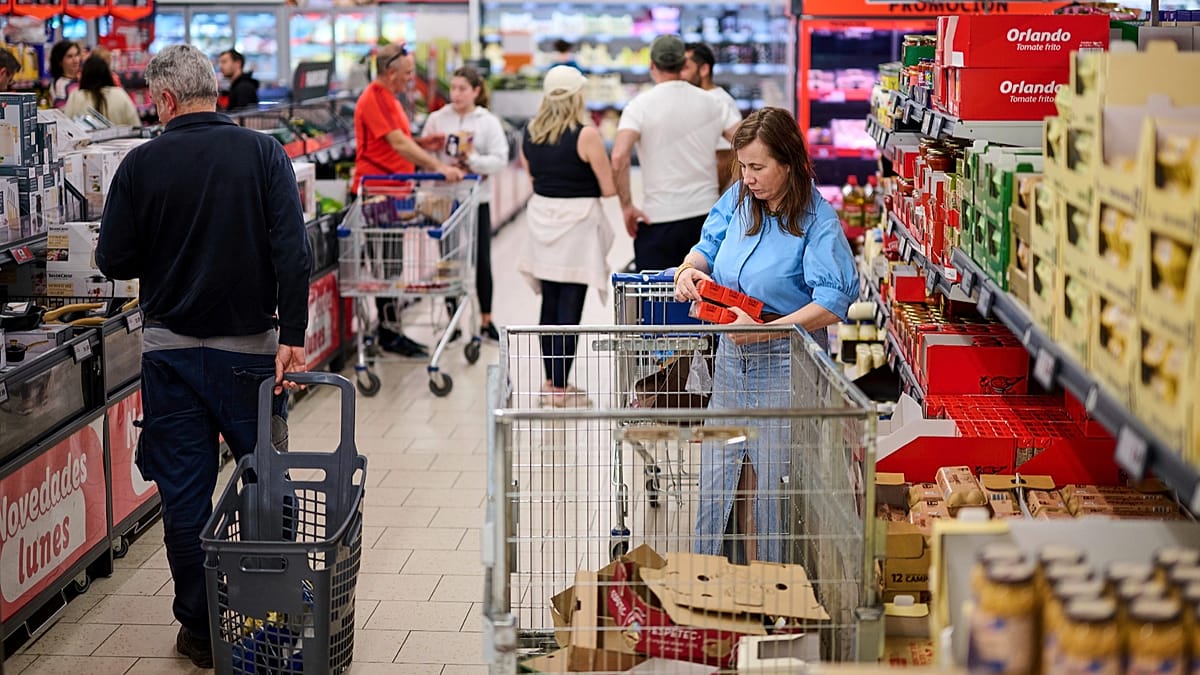
Pulling the other way, clothing and footwear prices as well as those of food and non-alcoholic beverages helped to curb inflation, with their annual rate easing to 2.2%, four tenths of a point below April, thanks to the behaviour of fruit, vegetables, pulses and potatoes.
One figure that muddies the picture: underlying inflation, which excludes energy and fresh food, rose to 3%, one tenth of a point more than the advance estimate and two tenths above April. The harmonised CPI, the indicator used for comparison with the rest of the EU, stood at 3.6% year on year.
The government defends its anti-crisis shield
From the executive, the message was one of relative calm. The government attributed the stability of the CPI to its measures and to the so-called “renewables shield”, and estimates that the Response Plan to the Middle East conflict has reduced headline inflation by a little over one percentage point.
Over the next two weeks, the government plans to meet with the energy, agri-food and industrial sectors to analyse the impact of the war and, if necessary, adjust the measures in the anti-crisis plan.