
Close Menu
Daily Guardian EuropeDaily Guardian Europe
  • Home
  • Europe
  • World
  • Politics
  • Business
  • Lifestyle
  • Sports
  • Travel
  • Environment
  • Culture
  • Press Release
  • Trending
What's On

Could Starmer run out of energy? – POLITICO

March 26, 2026

Ex-French police officer held in Portugal over killing of two women

March 26, 2026

Video. Residents injured after blast in Israeli home amid new Iranian barrage

March 26, 2026

The biggest winners and losers of the tariff war as AI-related trade skyrockets

March 26, 2026

Meta and YouTube made addictive products that harmed young people, US jury finds in landmark trial

March 26, 2026
Facebook X (Twitter) Instagram
Web Stories
Facebook X (Twitter) Instagram
Daily Guardian Europe
Newsletter
  • Home
  • Europe
  • World
  • Politics
  • Business
  • Lifestyle
  • Sports
  • Travel
  • Environment
  • Culture
  • Press Release
  • Trending
Daily Guardian EuropeDaily Guardian Europe
Home»Business
Business

Ships seek Iranian clearance to cross Hormuz as risks rise and insurance costs surge

By staffMarch 26, 20263 Mins Read
Ships seek Iranian clearance to cross Hormuz as risks rise and insurance costs surge
Share
Facebook Twitter LinkedIn Pinterest Email

Published on 26/03/2026 – 9:51 GMT+1•Updated
9:52

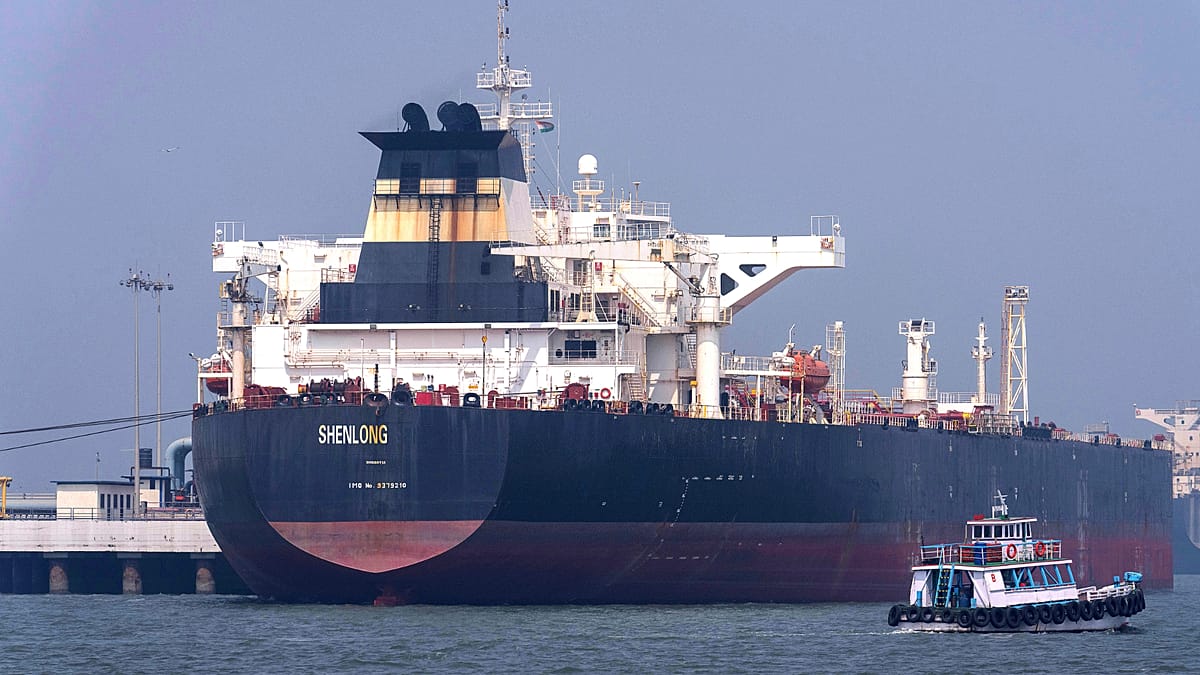
Ships attemping passage through the Strait of Hormuz are increasingly having to coordinate with Iranian authorities, as rising risks and surging insurance costs change how traffic moves through the waterway.

Access is no longer straightforward for many vessels.

Thailand said on Tuesday one of its oil tankers, owned by Bangchak Corporation, had passed through the strait after talks with Iranian authorities, while a second vessel remains waiting for clearance alongside other ships seeking safe transit.

Recent attacks and ongoing uncertainty have left shipowners deciding whether to enter the waterway at all, with decisions now shaped by both safety risks and rising costs.

War risk insurance premiums have surged since the escalation began on February 28, with rates rising several-fold in a matter of weeks.

David Osler, finance editor at Lloyd’s List, said, “Before the fighting, the typical rates for Strait of Hormuz were 0.15% to 0.25% of hull value for a one-week policy. Since the conflict began, quotes are as high as 5% to 10% of hull value.”

For a very large crude carrier worth around $100 million (€90 million), that can mean several million euros in additional costs for a single transit.

Insurance is still available, but often at levels that make transits significantly more expensive and harder to justify.

“If they want to make the trip – and can find a crew that will agree to do the job – they are not being held back by lack of insurance,” he said.

Instead, decisions are being driven largely by safety concerns.

Maritime specialist Mustapha Zehhaf said some shipping companies are avoiding the strait altogether due to the risks.

He said vessels that do transit are adjusting their routes and, in some cases, sailing closer to the Iranian coast.

Shipping under pressure

Higher insurance costs and security risks are forcing shipowners to reassess whether to transit the strait at all.

There are few alternatives. Pipelines such as Saudi Arabia’s East-West route or the UAE’s Fujairah line can bypass Hormuz to some extent, but most exports still depend on it.

If the situation continues, energy analyst Bill Farren-Price, head of the gas programme at the Oxford Institute for Energy Studies, said it would amount to a supply shock for global energy markets.

Prices are expected to rise as supply tightens and shortages begin to feed through, before higher costs start to curb demand.

He also said there was no realistic military way to fully secure the strait and little sign of a diplomatic solution in the near term.

He said, “Much worse — this was always the Armageddon scenario.”

Share. Facebook Twitter Pinterest LinkedIn Tumblr Email

Keep Reading

The biggest winners and losers of the tariff war as AI-related trade skyrockets

Iran war energy shock puts ECB on alert — Lagarde says this is no repeat of 2022

From cars to air defence: Will Volkswagen soon be producing parts for Israel’s Iron Dome?

Markets rally, oil prices fall as Trump signals Iran talks

Estée Lauder and Puig in €35bn merger talks to combine major beauty brands

Oil above $100 a barrel while stocks open lower in expectation of US-Iran talks

Revolut reported record financial results, with revenue rising by 46% to €5.2bn in 2025

Trump administration to pay TotalEnergies $1bn to drop US offshore wind project

‘Our health systems are going to collapse’: Can AI save the healthcare industry?

Editors Picks

Ex-French police officer held in Portugal over killing of two women

March 26, 2026

Video. Residents injured after blast in Israeli home amid new Iranian barrage

March 26, 2026

The biggest winners and losers of the tariff war as AI-related trade skyrockets

March 26, 2026

Meta and YouTube made addictive products that harmed young people, US jury finds in landmark trial

March 26, 2026

Subscribe to News

Get the latest Europe and world news and updates directly to your inbox.

Latest News

How Seville is standing up to Madrid and Barcelona as a host city for major events

March 26, 2026

Germany sees no exit strategy in Iran, but offers help with a ceasefire – POLITICO

March 26, 2026

Iran war: How many European citizens has the EU repatriated?

March 26, 2026
Facebook X (Twitter) Pinterest TikTok Instagram
© 2026 Daily Guardian Europe. All Rights Reserved.
  • Privacy Policy
  • Terms
  • Advertise
  • Contact

Type above and press Enter to search. Press Esc to cancel.