


Published on •Updated
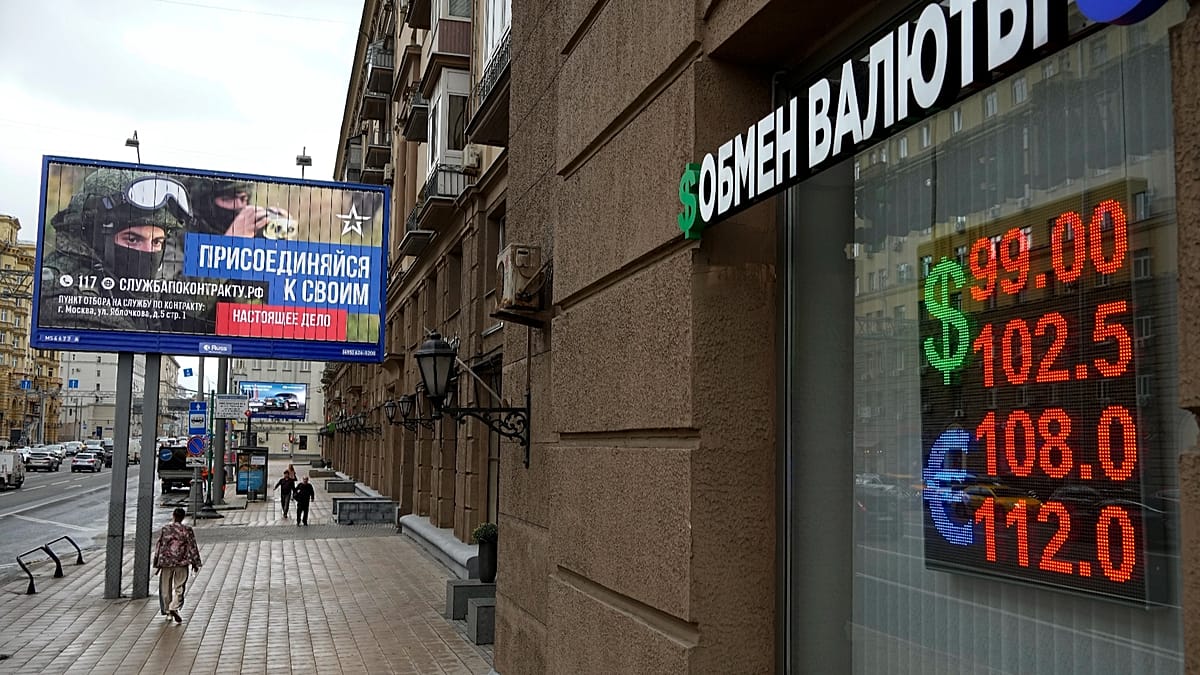
Russia is raising utility tariffs for the second time this year, with an average 15% increase taking effect on 1 October — a move the central bank says will push inflation further above its target in an economy already under severe pressure from war costs and sanctions.
The increase will range from 8% to 22% depending on the region. Residents of Stavropol Krai, Dagestan, and the Tambov and Tyumen regions face the steepest rises, while Moscow tariffs will go up 15% and St Petersburg 14.6%.
An earlier 1.7% increase took effect in January. Raising tariffs twice in a single calendar year is rare in Russia — the last time it happened was in 2022, the first year of Moscow’s full-scale invasion of Ukraine.
The Kremlin has justified the increases by citing ageing communal infrastructure and the need for modernisation.
Utility networks across much of the country date from the Soviet era and have received insufficient investment for decades. Repeated harsh winters and deferred maintenance have accelerated their deterioration.
Sanctions imposed because of Russia’s war in Ukraine have restricted access to imported equipment needed for repairs, and the workforce available for infrastructure projects has shrunk as labour has been absorbed by military production and conscription.
The Bank of Russia said the October tariff rise would contribute noticeably to faster annual inflation. Its baseline forecast puts annual inflation in 2026 at 6-7% — well above its 4% target.
Measures affect the small and the poor
After the full-scale invasion of Ukraine in February 2022, Russia faced a combination of external pressure and internal restructuring.
Western sanctions restricted access to financial markets, technology and equipment. Trade flows were rerouted. State spending rose sharply, concentrated on military procurement and related industries.
The economy avoided deep recession, but the adaptation came at a cost. Growth became increasingly dependent on state contracts and military production, while civilian industries faced labour shortages, expensive borrowing and limited access to technology.
The central bank raised its key interest rate to 21% in late 2024 in response to inflation, making credit extremely expensive for businesses and households. It has kept rates high since.
High borrowing costs have depressed private investment and squeezed smaller companies that cannot access state financing.
Utility bills are a fixed cost that households cannot cut. For lower-income families, a 15% rise in heating, water and electricity charges directly reduces money available for food, clothing and other spending, at a time when food prices have also risen sharply. For higher earners, the same percentage increase matters far less.
Businesses face parallel pressure. Factories, logistics companies, shops and offices all depend on utility services. When costs rise, operating margins shrink, and companies pass costs on to consumers, adding further to inflation.
The Russian economy has relied significantly on domestic demand to sustain growth since 2022.
A squeeze on household spending power from rising mandatory costs works against that dynamic, particularly in regions where wages have not kept pace with inflation and where military contract income is less prevalent than in major cities.