
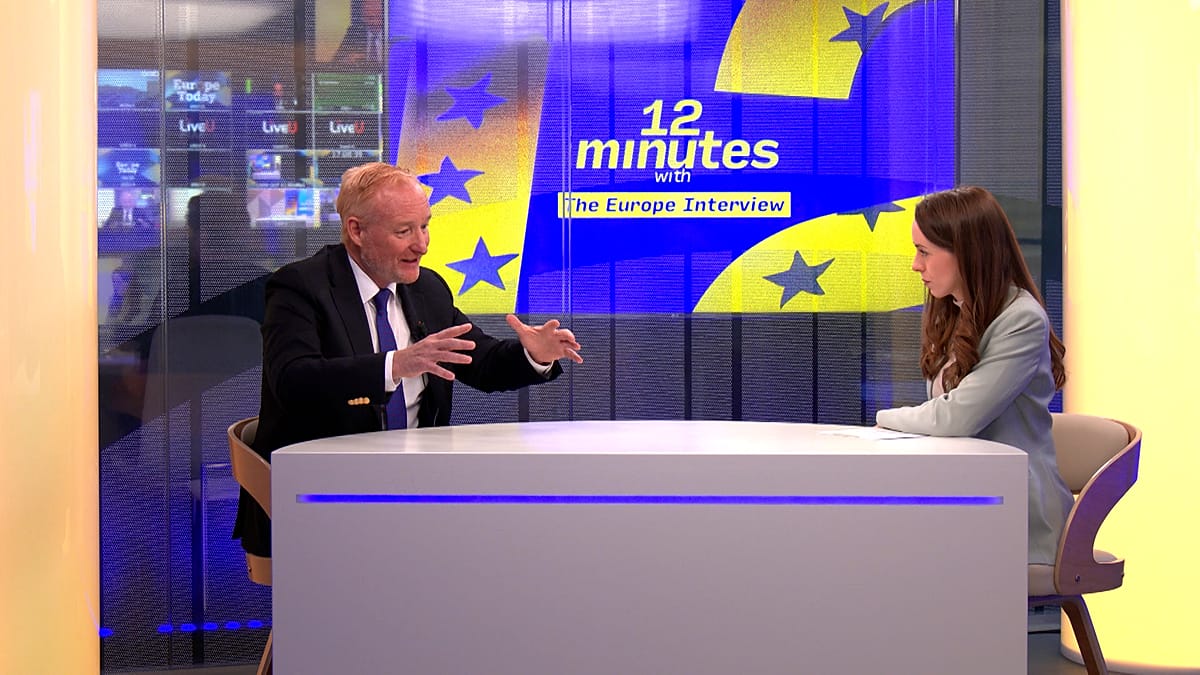

Sexual violence has been weaponised on an unprecedented scale in Sudan’s civil war, with women bearing the brunt of attacks aimed at destroying communities, the UNFPA country representative told Euronews.
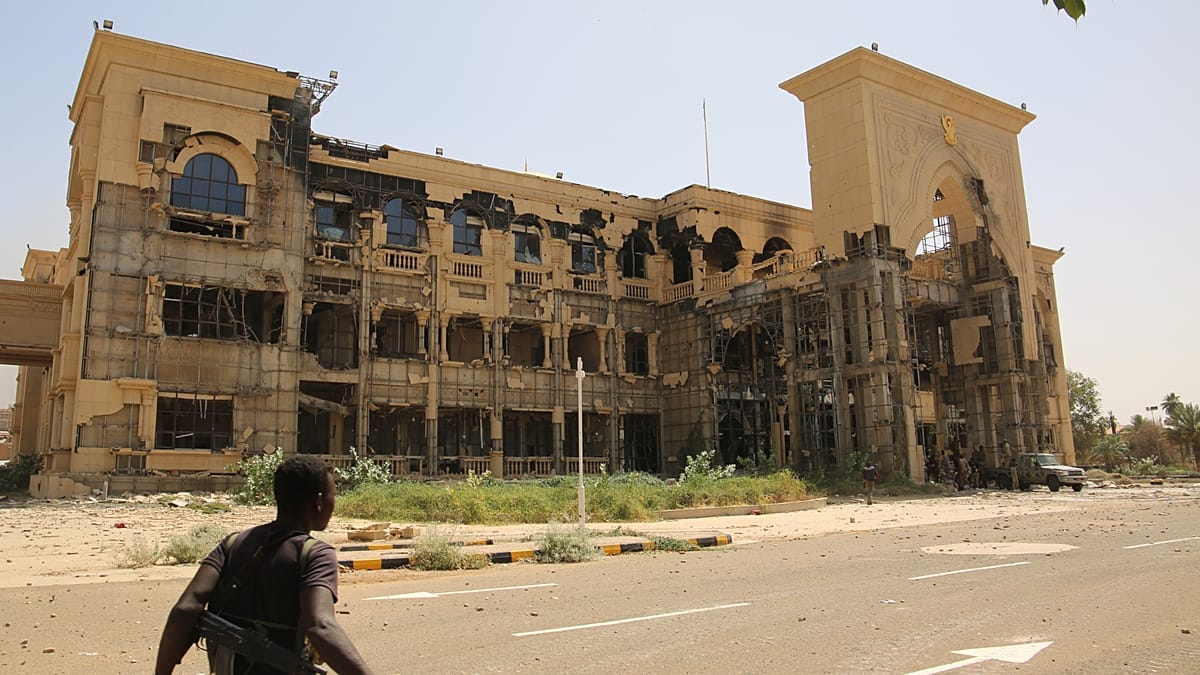
Sudan’s war, which began in April 2023, has spiralled into what the United Nations calls the world’s most devastating humanitarian crisis.
Fabrizia Falcione, the international sexual and reproductive health agency’s representative for Sudan, said she has never seen conflict-related sexual violence on such a large scale.
“In this conflict, sexual violence is being clearly utilised as a form of warfare itself. And women are the ones who are paying the price,” Falcione said.
Parties to the conflict commit sexual violence and rape women and girls to “disintegrate or somehow make a long lasting wound on communities,” she said. Women tend to be the ones keeping families and communities together.
Falcione has met hundreds of women and girls who escaped violence from Darfur and Kordofan, two Sudanese regions which have been the scene of heavy fighting between the Sudan Armed Forces and the Rapid Support Forces paramilitary group.
“When they arrive, they tell about the violence they suffered, including the instances of rape and sexual violence that they went through,” she said.
“I did meet also women who were telling about other women who give birth along the road. And unfortunately, their fate is unknown.”
Facing trauma and stigma
Sexual violence survivors face trauma, injuries, the risk of sexually-transmitted diseases and unwanted pregnancies. They also often face stigma, Falcione said.
“Sexual violence and rape have an impact on communities and on societies on the longer term. The children who will be and are born out of rape, the girls, the women who may not be considered as part of the society anymore or of the community because of being survivors of sexual violence.”
UNFPA works with communities, families, women, men, boys and girls to overcome stigma. In a country where more than 65% of the population is below 24, Falcione believes young people are a powerful agent of change.
“Unfortunately stigma that is related to sexual violence exists everywhere.”
Displaced women’s most pressing needs are basic services, including sexual and reproductive health services, Falcione said. Humanitarian workers provide these services in displacement camps but they remain very limited, she said.
UNFPA runs mobile health units to reach women and safe spaces exclusively dedicated for women and girls, “where they can share with other women their trauma,” and “get services to overcome trauma, including psychosocial support by skilled people.”
Safe spaces also serve as places where women can learn new skills to generate an income to “recreate their lives.”
Millions remain displaced
More than 1,000 days into the war, approximately 9.3 million people remain internally displaced across Sudan. Most of them are women and children.
Around 3 million people have returned to their areas of origin, according to the UN’s International Organisation for Migration agency (IOM). More than 1 million have returned to Khartoum alone.
Falcione stressed women want to return to the communities they came from. But to do so, they need basic services such as job opportunities and basic health services.
“Women are peacemakers. This war is not a war of the women,” she said.