
Close Menu
Daily Guardian EuropeDaily Guardian Europe
  • Home
  • Europe
  • World
  • Politics
  • Business
  • Lifestyle
  • Sports
  • Travel
  • Environment
  • Culture
  • Press Release
  • Trending
What's On

Andy Burnham’s T-shirt-wearing brand is about to be tested  – POLITICO

July 15, 2026

EU extends temporary protection for Ukrainians but restricts access for military-age men

July 15, 2026

Video. Most realistic ancient roman faces revealed at Budapest exhibition

July 15, 2026

Europe’s biggest company ASML lifts forecast, fuelling fresh hopes for the AI boom

July 15, 2026

Thieves try to break into Lamine Yamal’s home in Barcelona during France match

July 15, 2026
Facebook X (Twitter) Instagram
Web Stories
Facebook X (Twitter) Instagram
Daily Guardian Europe
Newsletter
  • Home
  • Europe
  • World
  • Politics
  • Business
  • Lifestyle
  • Sports
  • Travel
  • Environment
  • Culture
  • Press Release
  • Trending
Daily Guardian EuropeDaily Guardian Europe
Home»Culture
Culture

Scientists find human DNA over 2,000 years old in caves in Spain and Portugal

By staffJune 24, 20263 Mins Read
Scientists find human DNA over 2,000 years old in caves in Spain and Portugal
Share
Facebook Twitter LinkedIn Pinterest Email

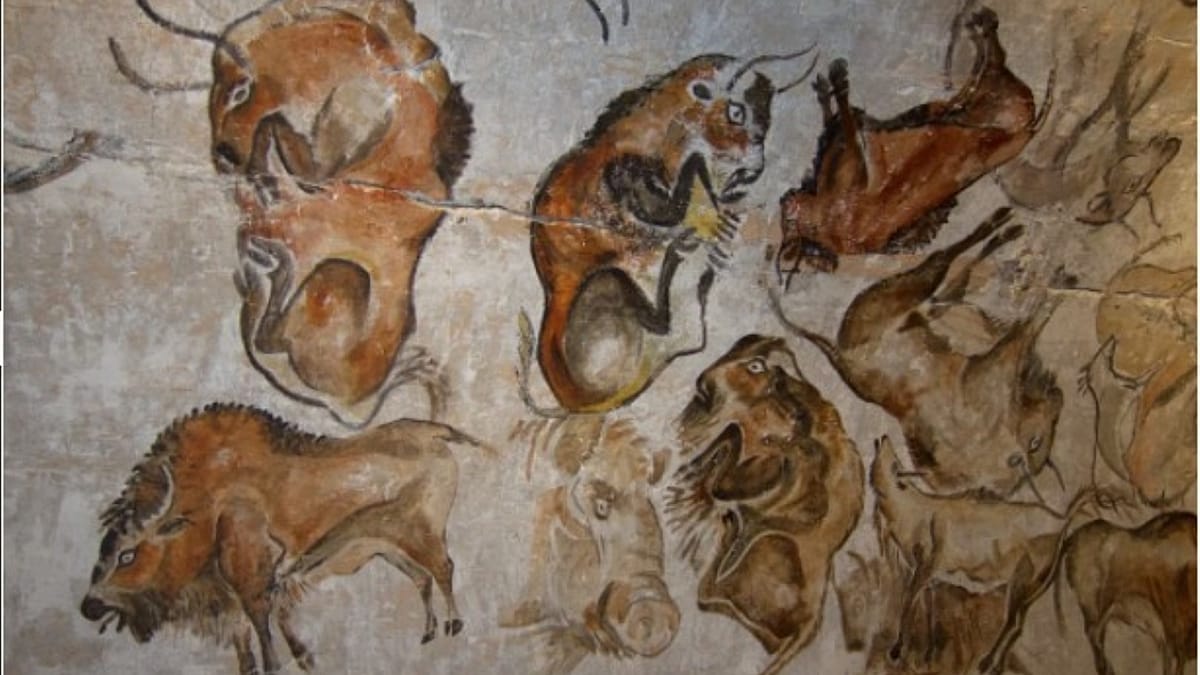
A research project coordinated from Cáceres has succeeded in recovering human DNA more than 2,000 years old in caves in Spain and Portugal, a breakthrough that opens up new possibilities for reconstructing the history of prehistoric populations.

Led by Hipólito Collado and carried out with the participation of teams from Spain, Portugal, the United Kingdom, Germany and China, the study shows that rock surfaces are capable of preserving traces of human genetic material over thousands of years.

The paper, published in the journal ‘Nature Communications’, forms part of the First Art project, which grew out of research into the rock art in the Maltravieso cave in Cáceres, where some of the oldest paintings in Europe have been identified.

Regional broadcaster ‘Canal Extremadura’ has shared a video on X of the project in the Maltravieso cave “which shows the preservation of DNA in rock art and opens up new scientific avenues”:

Genetic material on rock-art surfaces

Building on that experience, the project expanded its geographical and scientific scope with the aim of dating the oldest artistic expressions on the Iberian Peninsula and analysing their chemical composition.

In collaboration with researchers from Germany’s Max Planck Institute for Evolutionary Anthropology, the team also incorporated the study of ancient DNA into its work.

The research therefore explores the possibility of recovering genetic material directly from rock-art surfaces, a source that until now had never been tapped, as opposed to the substrates traditionally used, such as bones, sediments or bone tools.

The study analysed 24 rock-art panels from eleven caves in Spain and Portugal using advanced genetic extraction and sequencing techniques. The scientists found ancient human DNA not only on a pigment-covered surface in Portugal’s Escoural cave, but also in unpainted areas of that site and of the Covarón cave in Asturias.

Genuine “biological archives” of past human activity

This is the first evidence that cave walls can preserve human DNA for thousands of years, a discovery that opens up new possibilities for studying how prehistoric populations occupied and used these spaces.

The human DNA recovered is at least 2,000 years old, demonstrating the ability of these surfaces to retain biological traces over long periods of time and opening up a new avenue of research in the field of archaeogenetics.

Of the samples analysed, three came from women, one from a man and another could not be assigned to either sex with certainty.

The researchers argue that cave walls could act as genuine “biological archives” of past human activity, which would make it possible in future to extend this type of analysis to other sites and artistic expressions using minimally invasive techniques.

Share. Facebook Twitter Pinterest LinkedIn Tumblr Email

Keep Reading

FIFA adds Tom Cruise, Jennifer Hudson and Robbie Williams to World Cup closing ceremony

Despite crises and fears: why are 80% of Swiss people so optimistic?

Erling Haaland returns to Norway after World Cup exit with a strange new friend

3,000-year-old Egyptian tomb with vivid afterlife paintings uncovered near Luxor

‘Digger’: Is this the movie that finally wins Tom Cruise his first competitive Oscar?

Mission to Andros: Wine, cheese and lemons, the ‘golden’ products shaping the island’s future

Human rights organisation files legal petition for Cuban artist Luis Manuel Otero Alcántara

How Casa Batlló is using digital technology to unlock the hidden details of Gaudí, Miró and Gomis

Prime Minister-to-be Andy Burnham ranks his favourite bands

Editors Picks

EU extends temporary protection for Ukrainians but restricts access for military-age men

July 15, 2026

Video. Most realistic ancient roman faces revealed at Budapest exhibition

July 15, 2026

Europe’s biggest company ASML lifts forecast, fuelling fresh hopes for the AI boom

July 15, 2026

Thieves try to break into Lamine Yamal’s home in Barcelona during France match

July 15, 2026

Subscribe to News

Get the latest Europe and world news and updates directly to your inbox.

Latest News

Russia attacks Odesa as von der Leyen arrives in Kyiv – POLITICO

July 15, 2026

Cypriot minister defends appointment of EU Cyprus special representative following backlash

July 15, 2026

Iran executes man over January protests as crackdown on dissent widens

July 15, 2026
Facebook X (Twitter) Pinterest TikTok Instagram
© 2026 Daily Guardian Europe. All Rights Reserved.
  • Privacy Policy
  • Terms
  • Advertise
  • Contact

Type above and press Enter to search. Press Esc to cancel.