




Published on •Updated
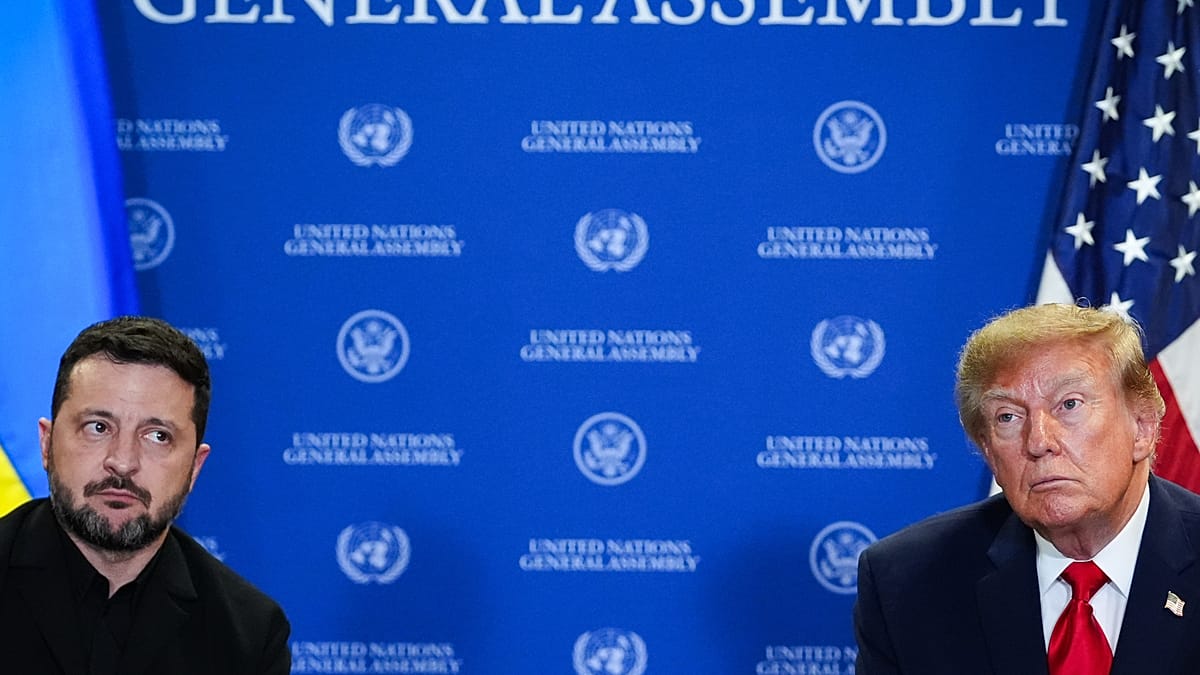
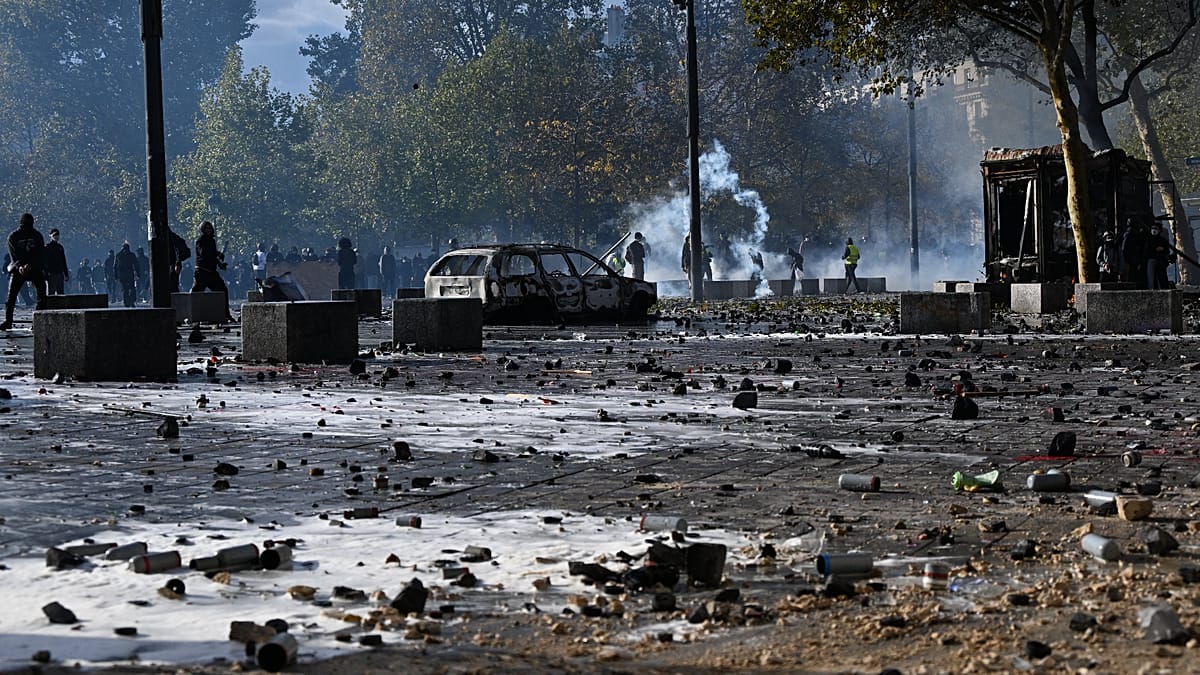
NATO is prepared to respond to sabotage and drone incidents across Europe and has plans in place to address such threats, Secretary General Mark Rutte said on Thursday.
“Russia is doing more and more when it comes to the cyber etc. domain, but… NATO is ready for this,” Rutte said at an event in New York commemorating the September 11, 2001 attacks on the United States.
“We have all these response options in place… when it comes to hybrids to make sure that we stay strong,” he added.
Rutte argued that the growing number of hybrid incidents in NATO countries indicated that Russian President Vladimir Putin was losing the war in Ukraine, now in its fifth year.
“Putin is in a bad place,” Rutte said, adding that Russia is not winning the war in Ukraine and that citizens of the 32 NATO countries can remain calm.
He urged NATO members to provide “more support for Ukraine” if they “really want to give a signal to the Russians on every hybrid incident, hybrid attack.”
“All the response options are there, and we will use whatever we need,” Rutte added.
His remarks came after Danish intelligence on Thursday warned of a growing risk of Russian military action against NATO countries, including further hybrid attacks.
At the same time, Spanish media reported that US intelligence had alerted European countries to a possible Russian drone operation targeting Spain, France or Italy.
U.S. Defense Secretary urges Europe to take the lead on its defense
Meanwhile, US Defence Secretary Pete Hegseth said on Thursday that European allies must take the lead in defending their continent, calling for NATO to become a “real hard-line military alliance.”
Speaking at a meeting of NATO defence ministers, Hegseth proposed a “NATO 3.0” focused on strengthening military capabilities and deterring threats in Europe.
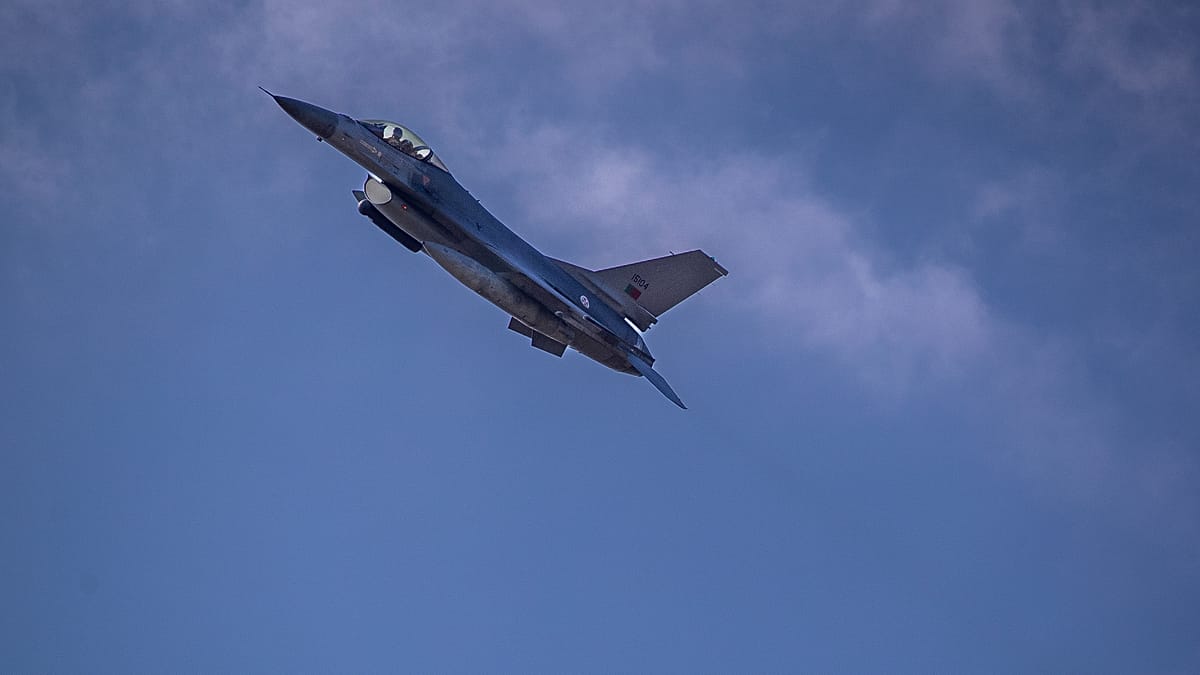
His comments came weeks after Washington informed its allies that it would no longer provide certain warships and aircraft in the event of an attack on a NATO member. European allies and Canada are now assessing how to address the resulting capability gaps.
“NATO 3.0 is post-Cold War recognition that (NATO) needs to go back to a real hard-line military alliance that has real military capabilities capable of deterring right here on the continent and taking the lead for the conventional defense of Europe,” Hegseth said.
Under Article 5 of NATO’s founding treaty, an attack on one member is considered an attack on all. However, the provision does not automatically require allies to provide military assistance.
The US, which has NATO’s largest armed forces, is seeking to reduce its role in Europe’s conventional defence. It does not plan to withdraw its nuclear weapons stationed in Europe, which remain a central element of NATO’s deterrence strategy.
Additional sources • AP, AFP