




For some, Pride Month is all about LGBTQIA+ rights, celebration, and acceptance.
This year, however, it has become associated with a major lawsuit involving a multimillion-dollar clothing company.
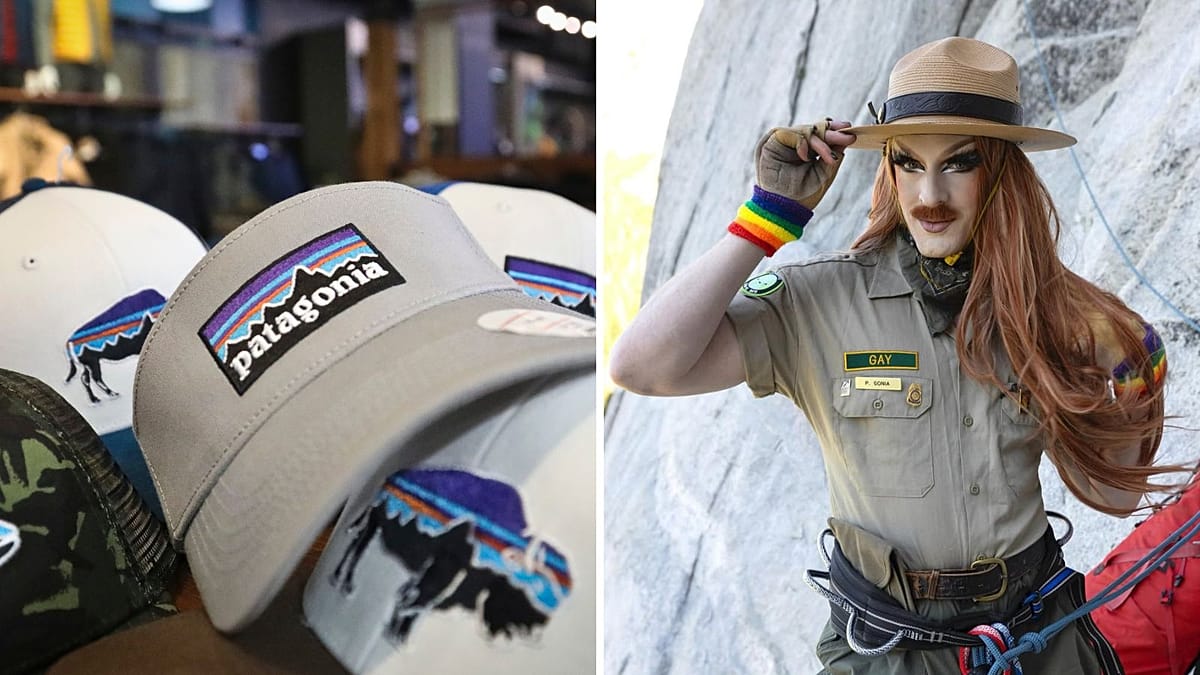
The American clothing brand Patagonia has filed a lawsuit for trademark infringement against the 33-year-old drag queen, environmental activist and advocate for social causes Pattie Gonia.
“The last thing we wanted was a legal fight”
In a legal complaint filed on 21 January 2026, Patagonia requested a jury trial over alleged trademark infringement and “irreparable harm” allegedly caused to the company by Pattie Gonia.
“Patagonia has a responsibility to protect the company that generations of employees have helped build,” states Patagonia’s press release. “Not because a name matters more than people, but because that name carries trust, purpose, and decades of work connected to environmental activism, products, storytelling, and community impact.”
Patagonia stresses that it shares many of the same values as the drag queen and is not opposed to artistic expression, including creativity involving the brand.
According to the company, it has been in contact with the activist and artist for several years in an effort to allow both parties to continue their respective business and advocacy activities.
In its press release, Patagonia states that in late 2024, Pattie Gonia began selling merchandise containing versions of Patagonia’s logo. The company claims it attempted to reach an agreement with Pattie Gonia but received no response.
The company is asking the court to order Pattie Gonia to stop selling and manufacturing goods and services that contain the name “Pattie Gonia”, and pay damages of one US dollar.
However low that price tag may seem, they have also asked for Pattie Gonia to reimburse the company for legal fees associated with the lawsuit.
Patagonia has previously taken legal action to protect its trademark against other businesses. Examples include cases involving the use of names such as “Fratagonia,” “Petagonia,” and “Catagonia.”
“I am afraid and I’m frustrated”
The lawsuit has attracted public attention following a series of social media posts by Pattie Gonia.
Pattie Gonia was named a Next Gen Leader in 2024 by Time magazine and was included in National Geographic’s list of “33 Changemakers.”
“This is a corporation trying to erase an activist,” Pattie Gonia states in a post responding to Patagonia.
Pattie Gonia explains that they filed for trademark protection to safeguard their name and the team working around them amid growing concerns about AI-generated content and artwork. They state that “there was no agreement” with Patagonia and that the company has known about their work for eight years.
Pattie Gonia suggests that the brand’s decision to file the lawsuit may have been influenced by the political climate surrounding LGBTQIA+ rights in the United States, and that the company expected little public opposition.
The drag queen goes on to state that they only had two choices. Either allow Patagonia to win the case, which could prevent the use of the name “Pattie Gonia” in connection with their team, community, and advocacy work. That, or “fight for themselves,” which they chose to do.
At the end of a video posted on social media, Pattie Gonia encourages supporters to join a collective call for Patagonia to drop the lawsuit “in a respectful and peaceful way.”
Following Patagonia’s social media post explaining the legal case, Pattie Gonia stated that they would be willing to comply with demands to withdraw trademark applications and stop using the company’s logo. However, the drag queen publicly refused to stop selling and promoting items bearing the name “Pattie Gonia”.
They argue that Patagonia’s actions represent an attempt to erase not only the persona of Pattie Gonia but also “the whole ecosystem of advocacy and community engagement.”
The use of well-known brand names is deeply rooted in the LGBTQIA+ history.
In ball culture, groups of people form “houses” that function as chosen families. Many adopt the names of luxury fashion brands, including the House of Balmain, the House of Mugler and the House of Balenciaga.
Drag performers often tend to incorporate brand names as part of their identities. For example, the famous drag queen Trixie Mattel uses the name of the Barbie manufacturer as her surname. Mattel have not pursued any legal action against the artist.
“Drop the lawsuit!”
Following the public dispute between Patagonia and Pattie Gonia, many social media users expressed their opinions on the matter – with some highlighting poor timing considering June is Pride Month.
Additionally, Patagonia’s actions clash with many companies’ tendency to use rainbow colours during this month of celebration – something done to show solidarity with LGBTQIA+ rights, but which some consider to be textbook “pinkwashing”.
Many argued that Patagonia should drop the lawsuit and collaborate with the drag queen, describing the company’s actions as “embarrassing”.
Some commentators questioned why Patagonia was suing Pattie Gonia when the company’s own name is derived from a geographical region that cannot itself be trademarked.
However, some have expressed support for Patagonia’s decision to pursue legal action, arguing that evidence exists showing the alleged misuse of the company’s logo.
Pride Month 2026 takes place from 1 to 30 of June 2026.