



Published on
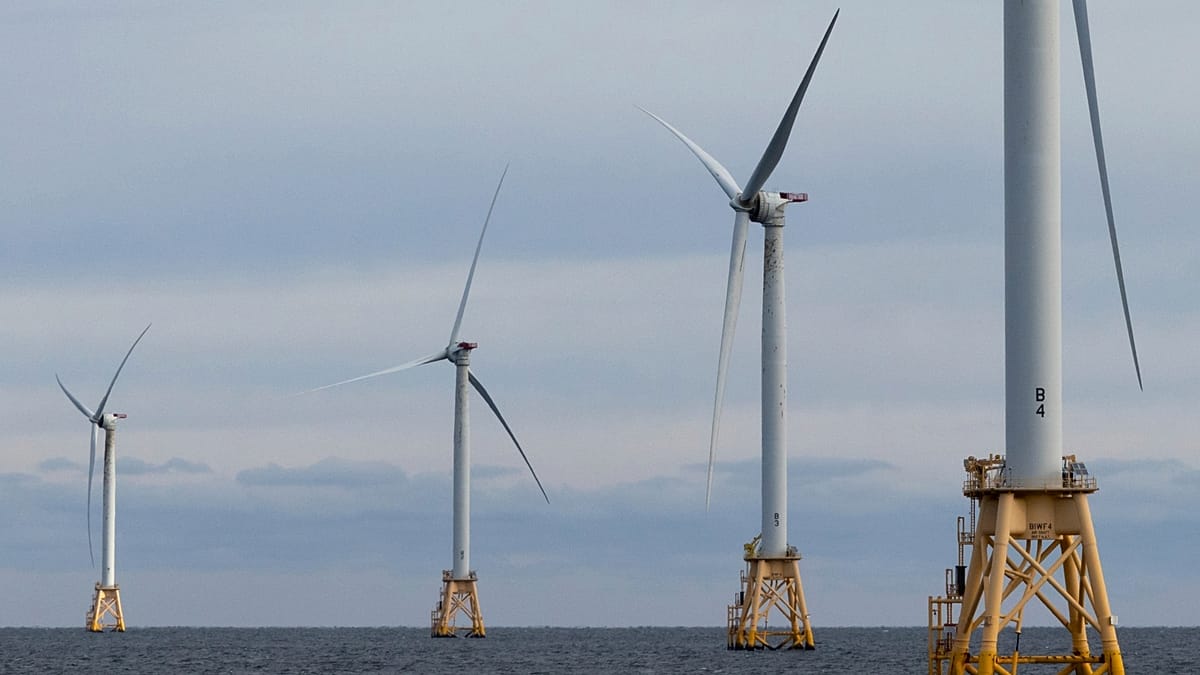
Shares in Ørsted climbed about 5% on Tuesday after a federal judge in Washington cleared the company and its partners to restart work on the $5bn (€4.28bn) Revolution Wind offshore wind development, which had been put on ice by the Trump administration.
In an order from the US District Court for the District of Columbia, the judge granted preliminary relief that pauses a 22 December stop-work directive issued by the Bureau of Ocean Energy Management (BOEM), the Interior Department agency that oversees offshore energy development in federal waters. This means construction can resume while the case proceeds.
The ruling removes a key regulatory obstacle for the project while a broader legal challenge continues as the administration of US President Donald Trump seeks to block expansion of offshore wind in federal waters.
The lawsuit by Revolution Wind targets BOEM’s December suspension as well as an earlier director’s order dated 22 August, which the developers say unlawfully disrupted work.
While the court has not yet ruled on the merits of the case, the injunction allows impacted construction activities to resume immediately.
“The court’s action will allow the Revolution Wind Project to restart impacted activities immediately while the underlying lawsuit progresses,” the company said in a statement.
It added that it would assess how best to work with the US administration to reach an “expeditious and durable resolution”.
Construction is expected to resume as soon as possible, with safety described as the top priority.
The developers said the project is intended to deliver affordable and reliable power to the US Northeast, where states have increasingly turned to offshore wind to meet climate goals and support grid resilience.
The ruling represents a setback for President Donald Trump’s efforts to curb offshore wind development.
Since returning to office, Trump has repeatedly criticised wind power and pledged to scale back federal support for renewable energy projects, citing environmental, economic, and permit concerns.
Several projects approved under previous administrations have faced pauses or renewed scrutiny.
Revolution Wind is a 50/50 joint venture between Global Infrastructure Partners’ Skyborn Renewables and Ørsted, the world’s largest offshore wind developer.
The project has been viewed by investors as a key test case for the future of offshore wind in the US under a more hostile political environment.
Ørsted has faced mounting challenges in the US market, including higher financing costs, supply chain pressures, and regulatory uncertainty, prompting it to reassess parts of its North American portfolio.
Even so, the company has consistently argued in previous statements that offshore wind remains essential to long-term decarbonisation and meeting rising electricity demand.