





Séjourné has long championed a “European Preference” as part of his flagship Industrial Accelerator Act (which aims to make Europe more competitive by favoring local manufacturers of green technologies) and for projects funded by the EU’s long-term budget. However, some EU countries — led by Germany — oppose what they say are too rigid criteria that could disrupt supply chains.
However, Séjourné said “the more the world is changing,” the stronger the case for the policy grows and “the debate is no longer about why Europe should do this, but about how to do it effectively.”
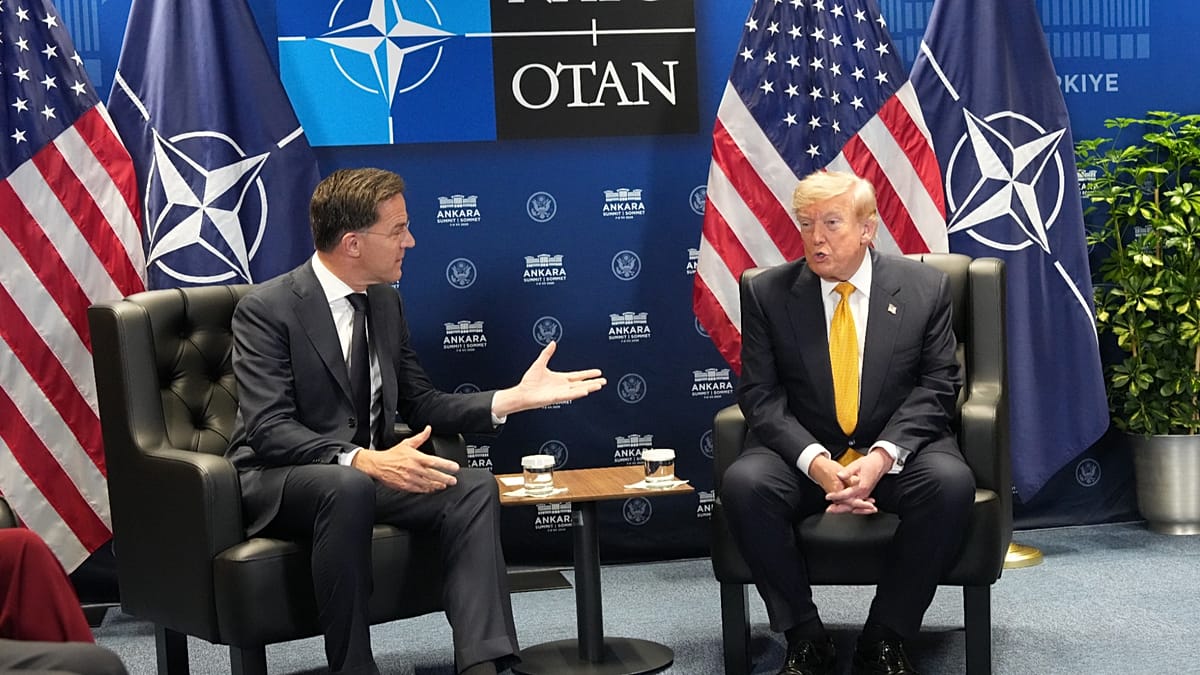
The intervention comes as trade tensions grow with the U.S., with President Donald Trump announcing Thursday that he would impose “much higher” tariffs on the EU’s exports if the bloc does not drop its own rates to zero. A landmark trade deal, struck between Trump and Commission President Ursula von der Leyen in July last year, has been held up in negotiations in Brussels as lawmakers weigh up safeguards in case Washington reneges on its commitments.
Séjourné argued that giving taxpayers’ money to companies based inside the EU “changes the balance in global trade negotiations. Countries that want access to those European public procurement markets will have to open their own markets in return. That gives Europe a powerful new trade instrument.”
According to classified German government documents, seen by POLITICO, Berlin is joining calls for the Industrial Accelerator Act to include requirements that publicly-funded projects should procure steel from EU manufacturers where possible.
Meanwhile, calls are growing for the EU to get tougher on China, which has been accused of shutting foreign firms out of its own market while cornering key clean energy and technology industries abroad. Belgian Foreign Minister Maxime Prévot called on the EU to tackle oversupply from the country, following a trip to Beijing, pointing to industries such as metals, carmaking and chemicals.


