



Published on
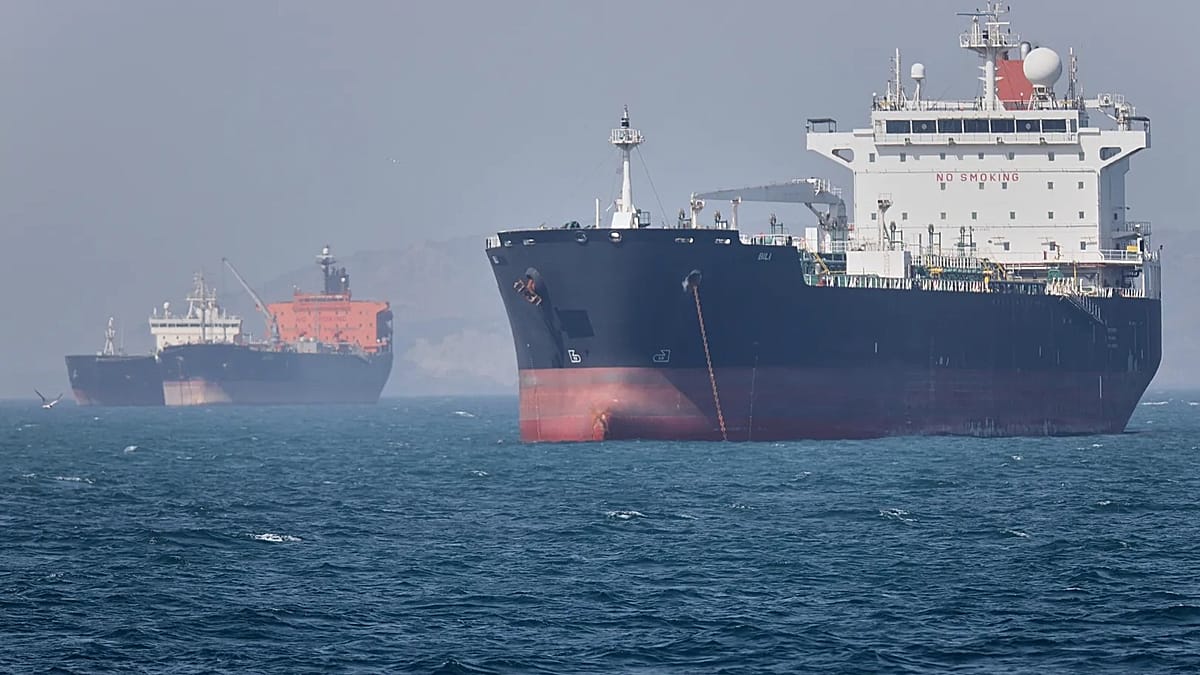
According to HD Hyundai Oilbank, a major South Korean petroleum and refinery company, the Malta-flagged vessel named Odessa reached waters near the port city of Seosan on Friday morning, concluding a journey that began in the Strait of Hormuz around mid-April.
The cargo consists of one million barrels of crude intended for processing at one of the country’s largest refineries, highlighting the persistent reliance of East Asian economies on the volatile shipping lanes of the Persian Gulf.
This specific delivery is estimated to represent between 35% and 50% of the daily crude consumption of South Korea, a figure that underscores the strategic importance of every successful transit through the region.
HD Hyundai Oilbank has confirmed that it possesses the capacity to process up to 690,000 barrels of oil every day, converting the raw material into diesel, gasoline and naphtha.
Seoul is currently enforcing strict price caps to protect its industrial sector from the fallout of the ongoing Iran war.
Latest on US-Iran negotiations
US President Donald Trump maintains that the broader understanding with Tehran is intact, even after three US destroyers were targeted by missiles and small craft in the Strait of Hormuz on Thursday.
While the American ships avoided damage, Washington responded by striking Iranian military infrastructure, specifically targeting launch sites and command hubs.
Trump described the Iranian authorities as “lunatic,” cautioning that the US response would be significantly more severe if a formal agreement is not concluded immediately.
Conversely, Tehran characterised the skirmishes as a justified “exchange of fire” following alleged American aggression against vessels in the area, claiming to have caused notable damage to US hardware.
These hostilities broke out while Iranian officials were reportedly considering a US-led proposal to de-escalate and secure the Strait of Hormuz.
Additional sources • AP