

Shares fell on Wednesday in Europe and Asia, and oil prices surged over 6% after US President Donald Trump said the tentative ceasefire with Iran was over, raising the prospect of renewed military conflict between the two countries.
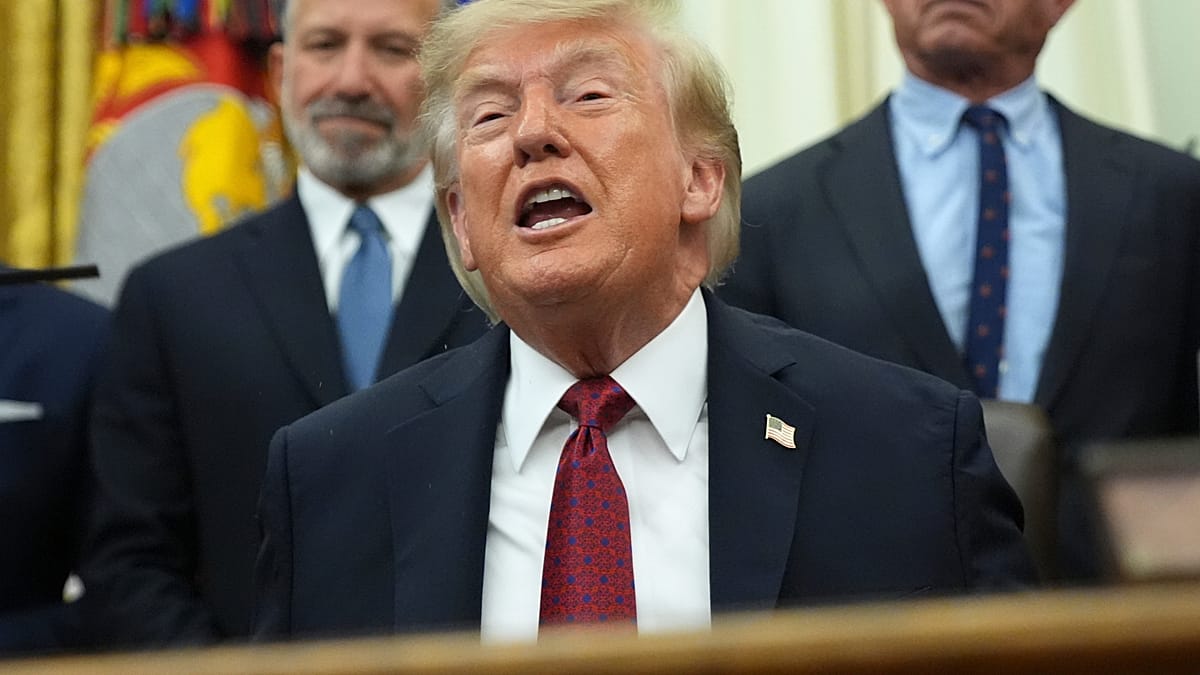
Asked whether the memorandum of understanding with Iran was over, Trump told reporters at the NATO summit in Ankara: “To me, I think it’s over. I don’t want to deal with them,” according to Reuters.
This came after US Central Command said its forces struck more than 80 targets in Iran overnight, including command-and-control networks, coastal radar installations, anti-ship missile capabilities and vessels operated by the Islamic Revolutionary Guard Corps (IRGC). Washington also revoked a waiver that had allowed Iran to restart oil exports.
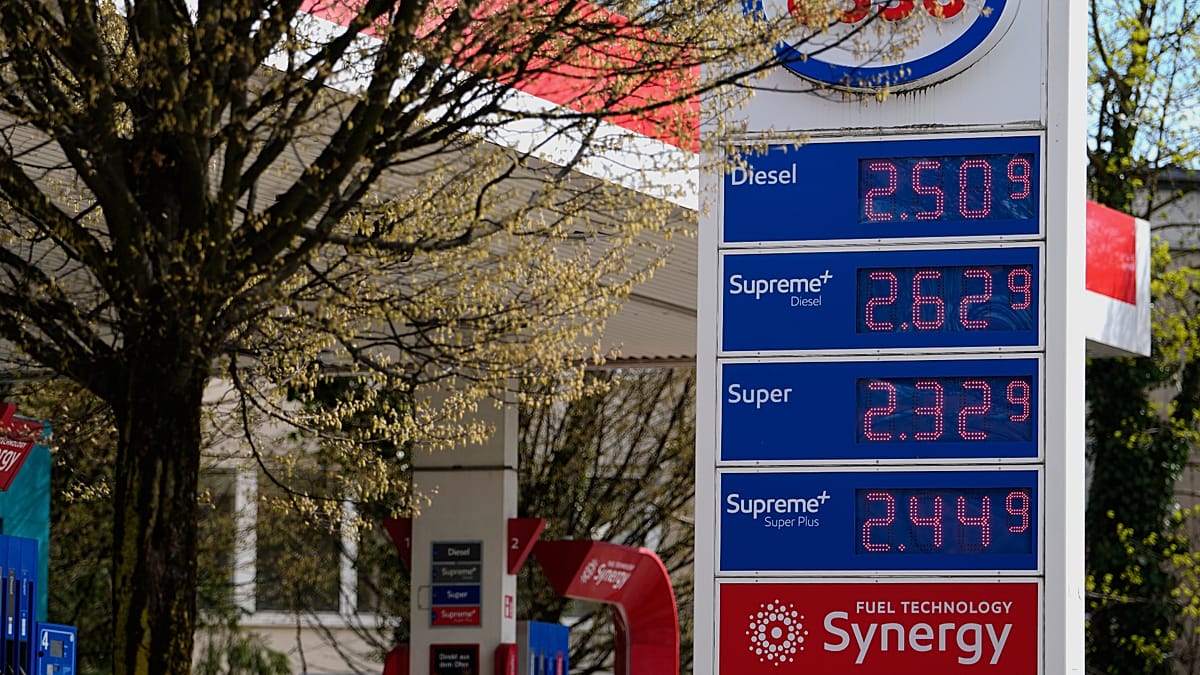
The front month contract on Brent crude, the international standard, jumped more than 6% by 11:45 CEST to $78.79 a barrel, while US benchmark crude rose 6.3% to $74.88 a barrel. Both had declined recently to around the levels seen before the war with Iran began in late February.
Shares from major oil companies also rose with Shell leading and rising 5% while BP, Chevron and ExxonMobil were all over 3% higher, early on Wednesday.
The latest flare-up, despite commitments to seek a peaceful resolution to the conflict, has added to uncertainty over oil prices after they fell from their peak well above $100 during the war. It also comes amid worries that the craze for artificial intelligence-related shares has pushed prices beyond the productivity gains and profits likely to result from massive investments in computer chip production capacity and data centres.
“As such, geopolitical headlines will likely determine market sentiment over the coming hours. A further deterioration in the situation could weigh further on equity valuations along with rising stress in technology,” Ipek Ozkardeskaya of Swissquote said in a commentary.
Stock markets fall
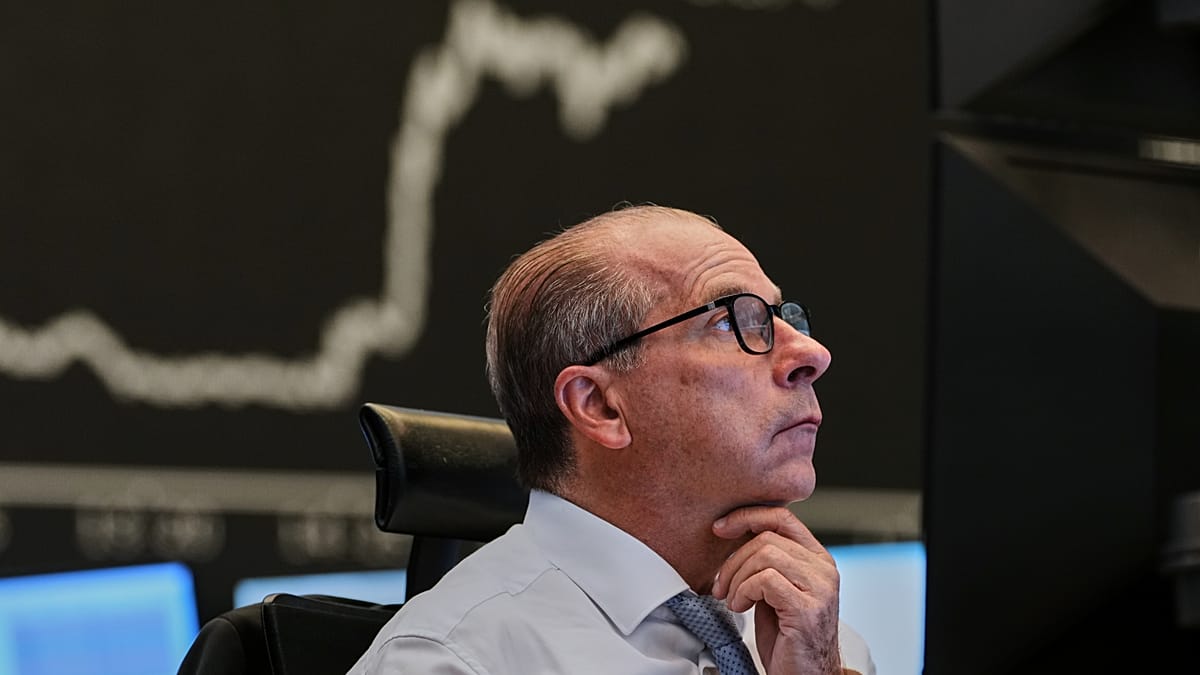
In Europe, Germany’s DAX shed more than 2.2%, at around 11 CEST, while the FTSE 100 in London lost 1.5%, and France’s CAC 40 fell more than 2%.
US stock futures were down over 1% at the same time.
In Asia, Tokyo’s Nikkei 225 lost 2.1% to 66,819.05, while South Korea’s Kospi shed 5.4% to 7,246.79.
The South Korean index has soared and then fallen back, briefly surpassing the 9,000 level last month before succumbing to heavy selling in AI-related technology shares such as Samsung Electronics and SK Hynix. Samsung fell 6.3% early Wednesday after dropping about 7% the day before. SK Hynix reversed early gains to fall 5.7%.
Taiwan’s Taiex rose 0.6%. In Hong Kong, the Hang Seng rose 3% to 24,193.56.
Shares in Chinese AI model start-up Zhipu, also known as Z.ai and traded as Knowledge Atlas Technology, rose nearly 14% on Wednesday.
The Shanghai Composite index declined 0.5% to 3,970.88.
On Tuesday, the roller-coaster ride for AI stocks turned lower again, dragging Wall Street down. The S&P 500 fell 0.4%, though the majority of stocks within the index rose.
Losses among AI-related stocks dragged the Nasdaq Composite 1.2% lower, while the Dow Jones Industrial Average fell 0.2%.
Advanced Micro Devices sank 6.5%, Intel shed 9.7%, and Micron Technology lost 4.7%.
SpaceX, which owns the xAI business, fell 6.8% despite it being the first day of trading in the Nasdaq-100 index. Some analysts believe a “index-rebalancing” trade is being done by hedge funds and other large investors, who got in early on the IPO and may have done so with an aim to quickly sell, or flip, their shares to index funds.
Rivian Automotive dropped 18.1% after the electric vehicle company said it would sell 75 million shares, diluting existing shareholders’ stakes.
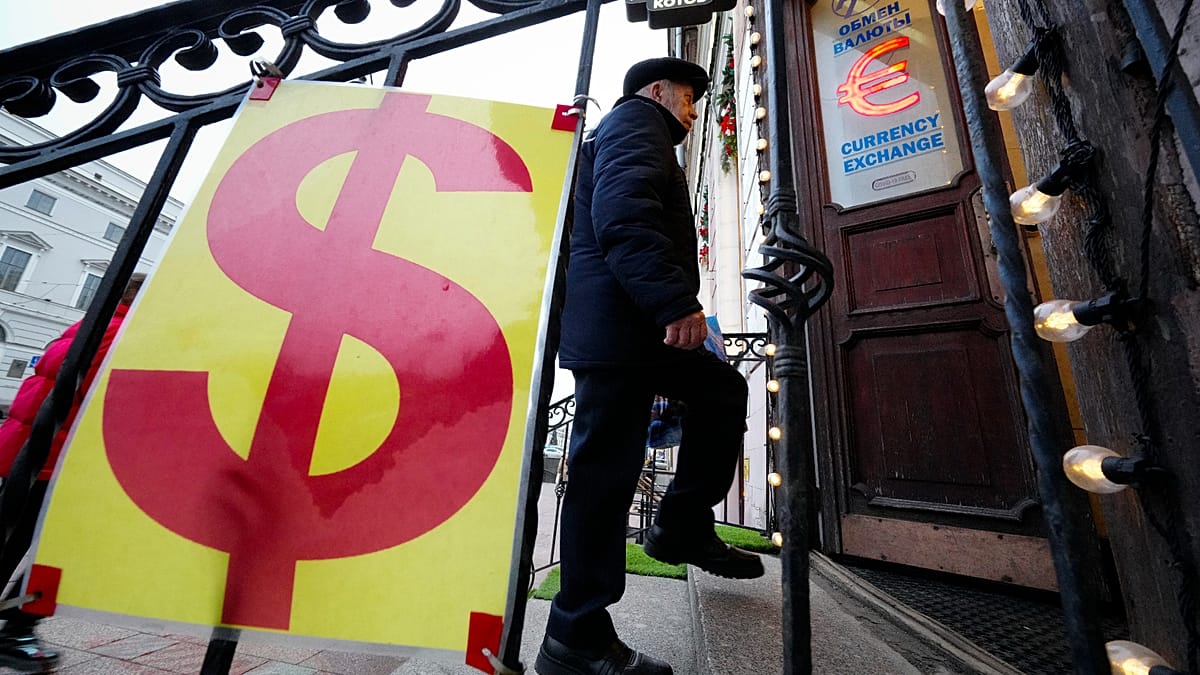
In currency trading early Wednesday, the US dollar rose to 162.26 Japanese yen from 162.11 yen. The euro climbed to $1.1426 from $1.1414.
Gold dropped around 1.5% to about $4,050 while silver fell roughly 2.5% to $58.