



Asian stocks fell on Monday as hawkish comments from Federal Reserve boss Kevin Warsh saw investors ramp up bets on a US interest rate hike, while oil prices spiked after a fresh flare-up in the US-Iran war.
With inflation remaining stubbornly high – largely on the back of elevated energy costs – the US central bank has come under pressure to act, and Warsh’s refusal to provide guidance has stoked uncertainty.
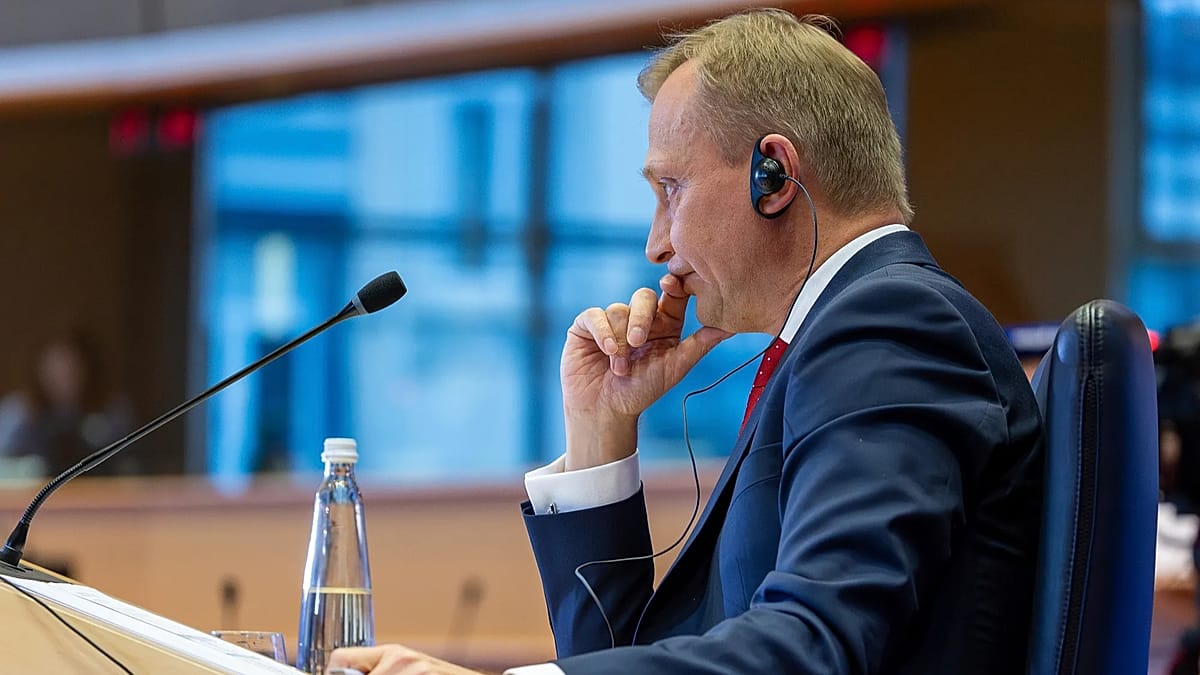
But in a highly anticipated speech at the Jackson Hole symposium of central bankers and economists in Wyoming, he left traders with few doubts that he was ready to increase borrowing costs.
Warsh said: “We must be confident that underlying inflation is moving to our objective, clearly and at sufficient speed. Otherwise, we have work to do.”
He called the spike in inflation – currently at 3.7% and nearly double the Fed’s 2% target – “concerning”, and said he would be “hard-pressed” to describe current financial conditions as “restrictive”, a potential hint that rate hikes could be on the horizon.
However, he stopped short of saying he would support a hike, adding: “I stand here today committed to a discipline, not to a decision.”
All three main indexes on Wall Street fell Friday. Yields on short-term US Treasury bonds – which reflect monetary policy expectations – jumped, and the dollar rallied against its peers. Gold, which benefits from lower interest rates, fell.
And Asia followed suit, with tech firms – which rely on borrowing to fuel their huge AI investments – leading the way down.
Tokyo, Seoul, Hong Kong, Shanghai, Taipei and Jakarta were all down, though Singapore and Wellington edged up.
Investors eye crucial data releases
Focus will now turn to a string of crucial data releases over the next two weeks before the Fed makes its decision, with jobs up this week and the consumer price index (CPI) next week.
“Should we get an inline payrolls print that does not give the Fed too much to work with, next week’s core CPI report will become the major decider for the market’s Fed belief system,” wrote Chris Weston at Pepperstone.
“The volatility priced around that outcome across rates, forex and equities could therefore be significant.”
Oil prices spike on US-Iran tensions
The Fed’s battle against inflation has been hobbled by the Iran war, which has pushed oil prices higher.
And after a run lower for most of last week, they spiked again on Monday, a day after the United States said it had attacked Iranian rocket launchers on a small island in the Strait of Hormuz, its first strikes on the country in a month.
The attack prompted Tehran to retaliate by hitting US military targets in Jordan. Both main crude contracts rose more than 2% on Monday.
The exchange came shortly after the US-Iran war hit the six-month mark, and at a time when hostilities had been subsiding.
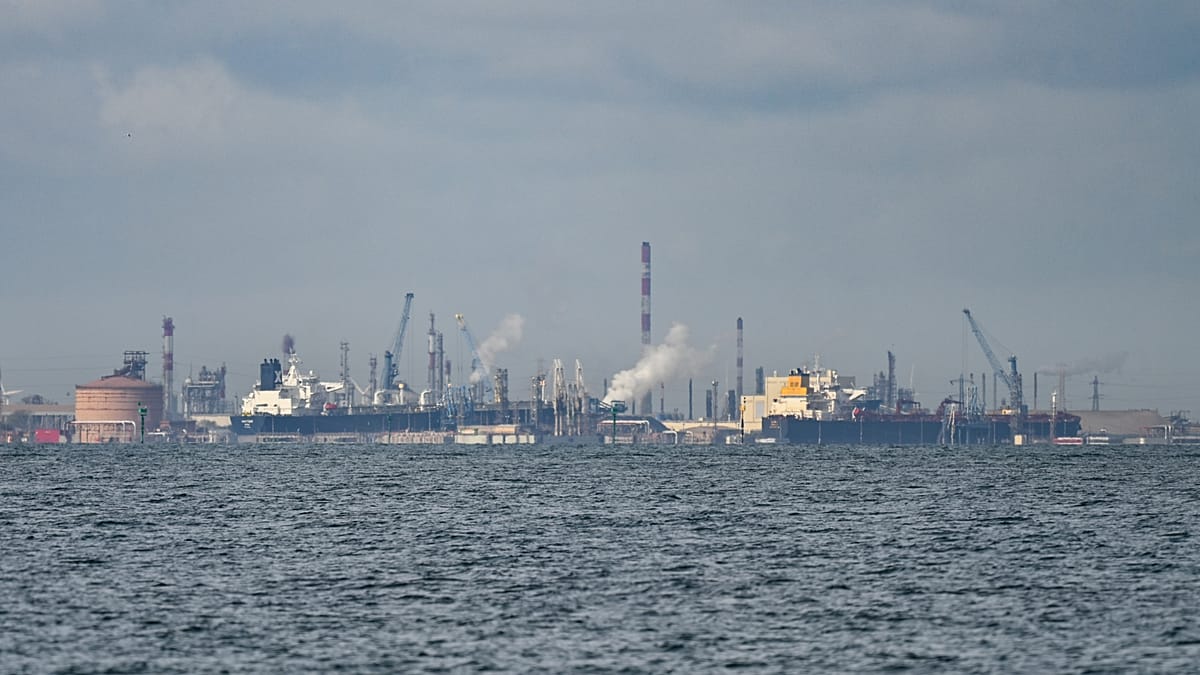
The news revived concerns about the conflict, with attempts and peace talks appearing to be going nowhere and the strait – through which a fifth of global crude and gas passes – largely closed.
US officials this month vowed the “economic asphyxiation” of Iran to make it open the waterway.
“Hormuz is once again threatening to put a floor under oil just as Warsh is putting a ceiling on how much inflation patience markets should assume from the Fed,” said Quintex Intel’s Stephen Innes.
“For oil traders, (the) move is another reminder of how quickly the geopolitical premium can return.
“Physical flows through Hormuz have improved materially from their worst levels, which is precisely why crude had started giving back some of the fear premium, but the latest exchange shows how fragile that progress remains and how quickly the shipping story can be pushed back onto the trading desk.”
Additional sources • AFP