


The energy crisis has exposed the EU’s reliance on foreign partners, forcing the bloc to seek alternative sources of power.
Renewables, particularly wind and solar, now form the backbone of the EU’s power sector. This shift was cemented in 2025 when, combined, they generated a record 30% of total EU electricity. For the first time, this output exceeded the 29% share accounted for by fossil fuel generation.
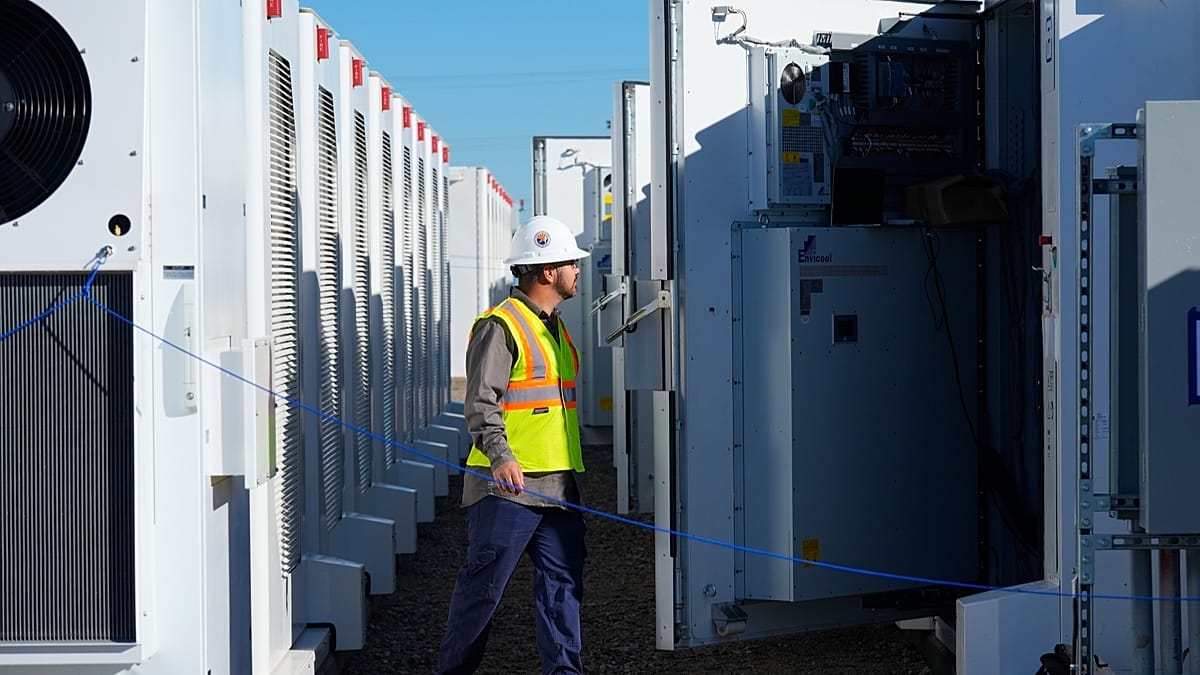
Now, the EU is turning to nuclear energy, which currently provides roughly 23% of the bloc’s electricity. It has recently outlined a strategy to bring the first Small Modular Reactors (SMRs) online by the early 2030s, and as of March 2026, has committed €330 million to accelerate nuclear and fusion research.
The bloc banned all Russian gas and LNG imports in January 2026, replacing them with global LNG supplies and increased biomethane production. Green hydrogen also plays a central role; its development is being coordinated through the EU Energy and Raw Materials Platform, launched in July 2025.
Is the EU taking the right approach in diversifying its energy mix? Should the bloc prioritise a specific energy source? Our poll is anonymous and takes only a few seconds to complete. The results will be featured across EU-wide XL coverage – in videos, articles and newsletters – and will help shape our reporting as we examine how Europe can secure its position in the age of artificial intelligence.