
Published on
The Norwegian government says it is aiming to have a plan in place to develop mining facilities at Europe’s largest known rare-earths deposit by the year 2028 at the latest.
The Fen Complex, around 150 km southwest of Oslo, is estimated to contain 15.9 million tonnes of rare-earth oxides, including neodymium and praseodymium, which are used in powerful magnets for electric vehicles, renewable energy technology and defence equipment.
Environmental concerns have long delayed the project. Surveys in the area identified 78 endangered animal and plant species, including rare beetles, trees, mosses and fungi.
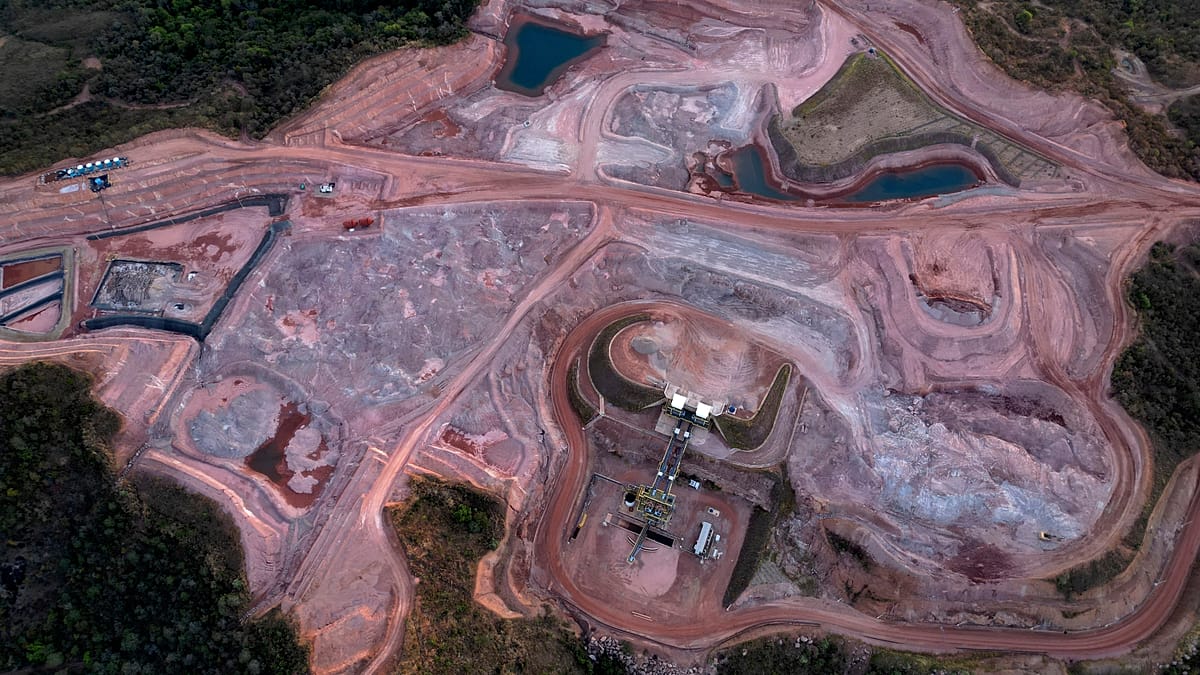
Rare Earths Norway (REN), the company that owns the extraction rights, has said the mine itself would be “invisible”, with extraction and crushing taking place below ground. However, surface processing facilities would still be required.
Earlier this year, Norway’s government took over the planning work from the municipality, including the study of alternative locations for surface installations.
“The objective is to have a plan in place by 2028 at the latest, but preferably before then,” Industry Minister Cecilie Myrseth told a press conference on Wednesday.
The government says the Fen Complex could help strengthen European and wider Western supply chains for critical minerals. No rare-earth deposits are currently being mined in Europe, leaving the continent heavily dependent on China for supplies.
Rare earth metals are crucial in the production of products ranging from smartphones and electric cars to fighter jets, and are classified as critical by the European Union.
REN says it hopes to start mining in the first half of the 2030s.
Additional sources • AFP