



A tiny Scottish island is seeing a surprising tourism boom. Ulva in the Inner Hebrides has experienced an overwhelming surge in visitors following its inclusion in a property television programme on the BBC.
The speck off Scotland’s west coast is home to just 16 residents, who are struggling to cope with the influx.
The island has decided to effectively close to visitors one day a week in order to allow its inhabitants to “recharge”.
A tourism surge on a Scottish island
After featuring in the BBC show Banjo and Ro’s Grand Island Hotel, Ulva received “unprecedented interest” from holidaymakers, according to local ferry operators.
Given the limited services and infrastructure on the island, the destination has been feeling the strain.
The ferry company also said the surging demand for their services and the pressure on the local workforce – such as at the Boathouse restaurant – had grown far beyond expectations.
“None of us could have predicted how significant the increase in the numbers of visitors would be,” they wrote in a post on social media.
It has prompted the decision to suspend the foot passenger ferry between Ulva and the Isle of Mull – the only public access – on Sundays during peak season, effectively closing the island to visitors one day a week.
“To give ourselves, the Boathouse and fellow islanders the chance to recharge and prepare for the week ahead, we have made the difficult decision not to open Sundays this summer,” the operators confirmed.
The company added that holidaymakers with prior bookings for a break on the island who plan to travel on a Sunday in June, July or August would still be helped across.
The crossing takes around five minutes.
A community-owned island
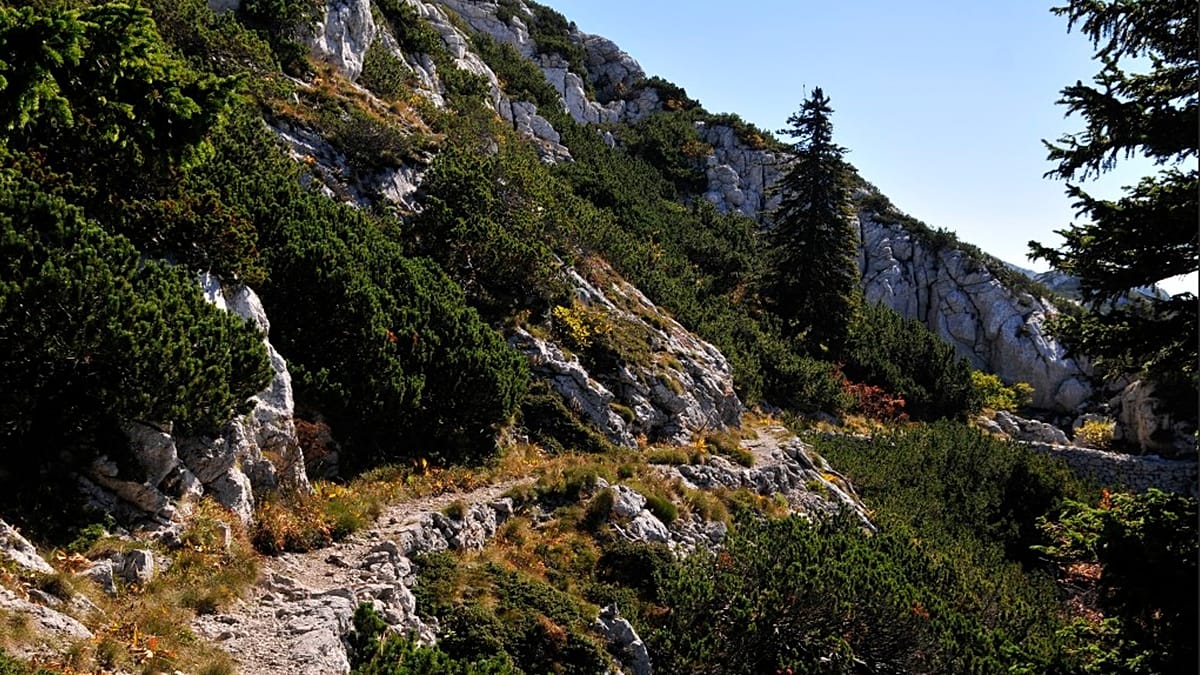
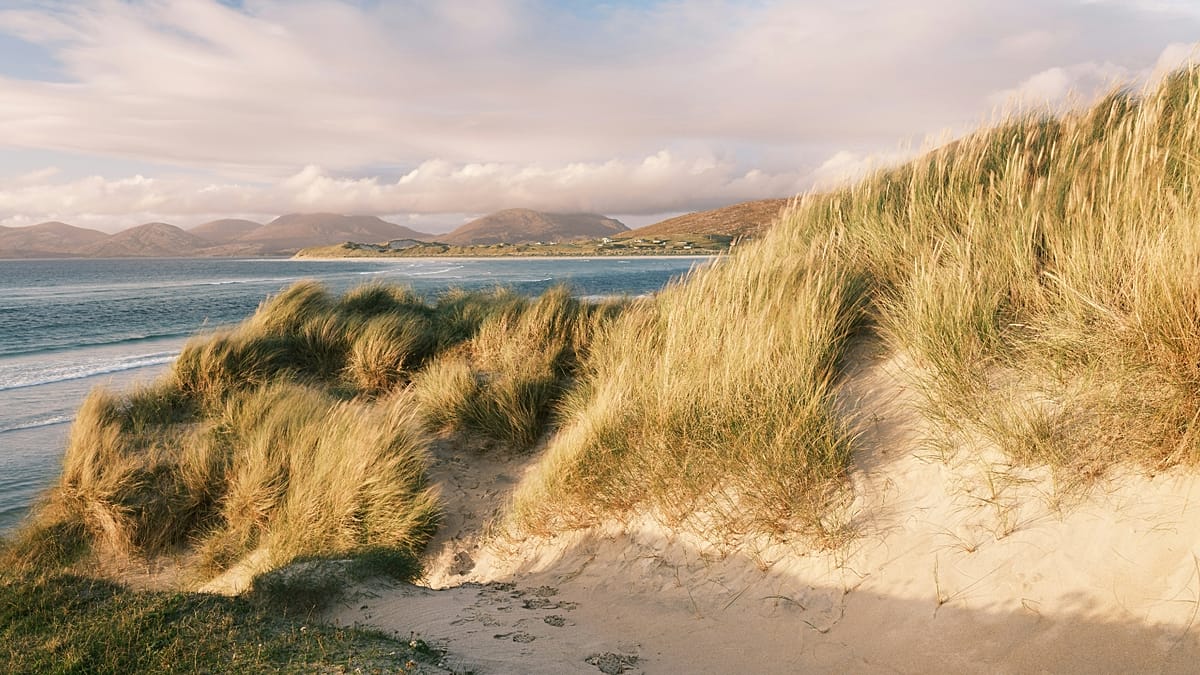
Ulva has captured the imagination as an idyllic, remote island, with no paved roads and a wealth of wildlife. Visitors can spot seals, otters and dolphins in the surrounding waters.
The island has been community-owned since 2018, when it was bought by the North West Mull Community Woodland Company.
At the time, it only had six residents. The company aimed to bolster long-term social and economic development and boost the local population – which now numbers 16.