





Finding an agreement on new EU taxes — so-called own resources — is key to facilitating an overall budget deal in December before national elections in France, Spain and Italy in 2027 threaten the negotiations.
Costa is touring the EU’s 27 capitals to sound out their concerns and assess where there is room for compromise. The Portuguese politician plays a key role in the negotiations as he chairs leaders’ meetings and brokers compromises among different camps.
The issue of EU-wide taxes is among the thorniest in the discussions because national capitals are reluctant to hand more taxing powers to the European Commission and agree to new levies that would hit some countries harder than others.
Last year, the Commission proposed five new levies — targeting carbon imports, emissions, non-collected electronic waste, corporate profits and tobacco products — worth €66 billion per year to finance the budget. But most of the ideas have been met with resistance from governments, who must unanimously approve each new levy.
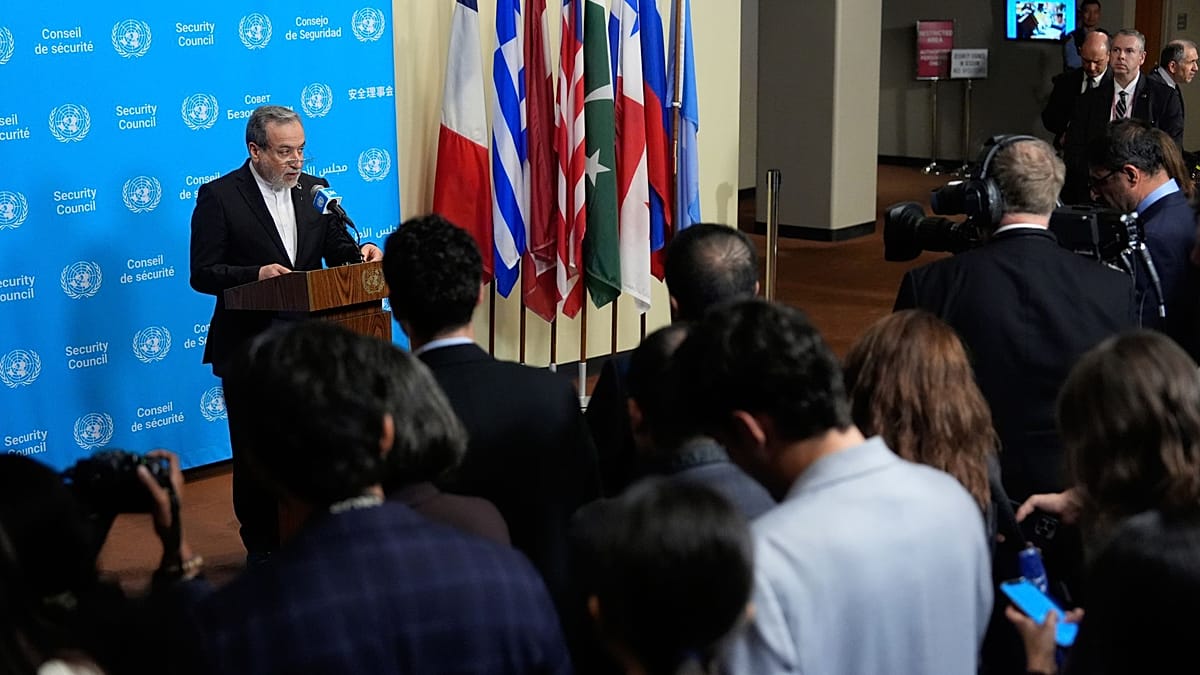
Tensions were on full display when Luxembourgish Prime Minister Luc Frieden rejected the proposed EU tobacco tax after a meeting with Costa earlier on Wednesday.
“We won’t accept proposals that impact [Luxembourg] in a disproportionate manner,” he told reporters.


