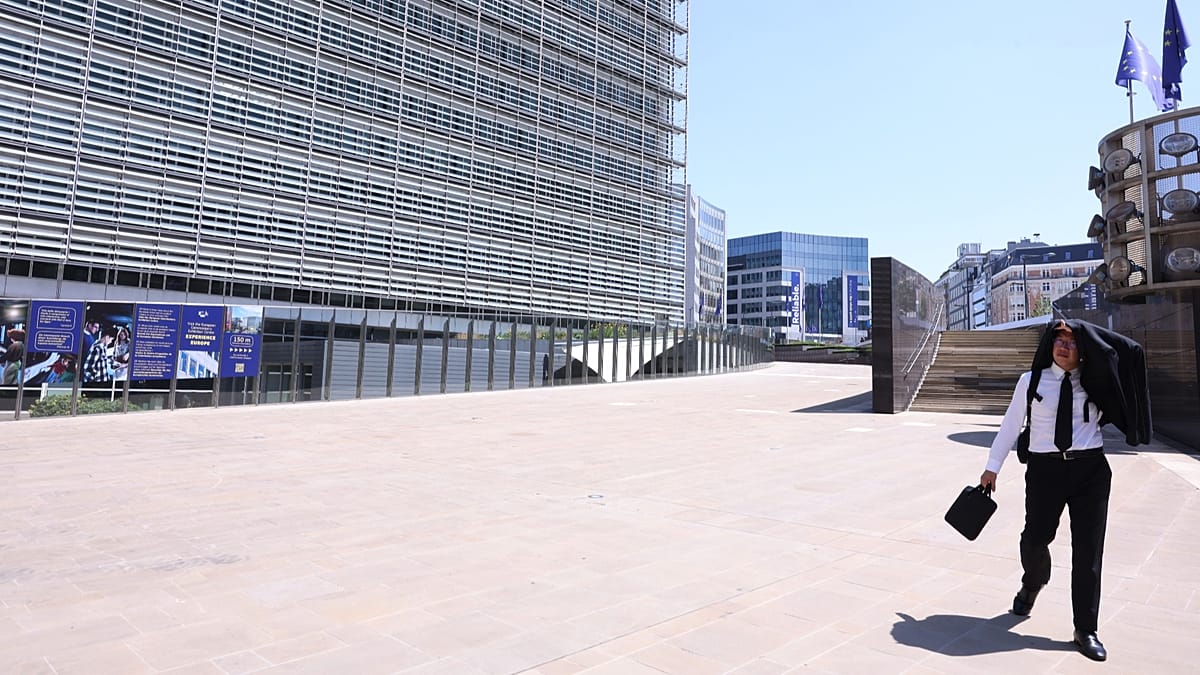


Good morning Brussels. Angela Skujins here holding the newsletter pen for your Tuesday. Brace yourselves for 32 degrees of heat.
On today’s menu: 10-years of Brexit, who pays for return hubs and confirmation of Commissioner Šuica’s trip to the Middle East.
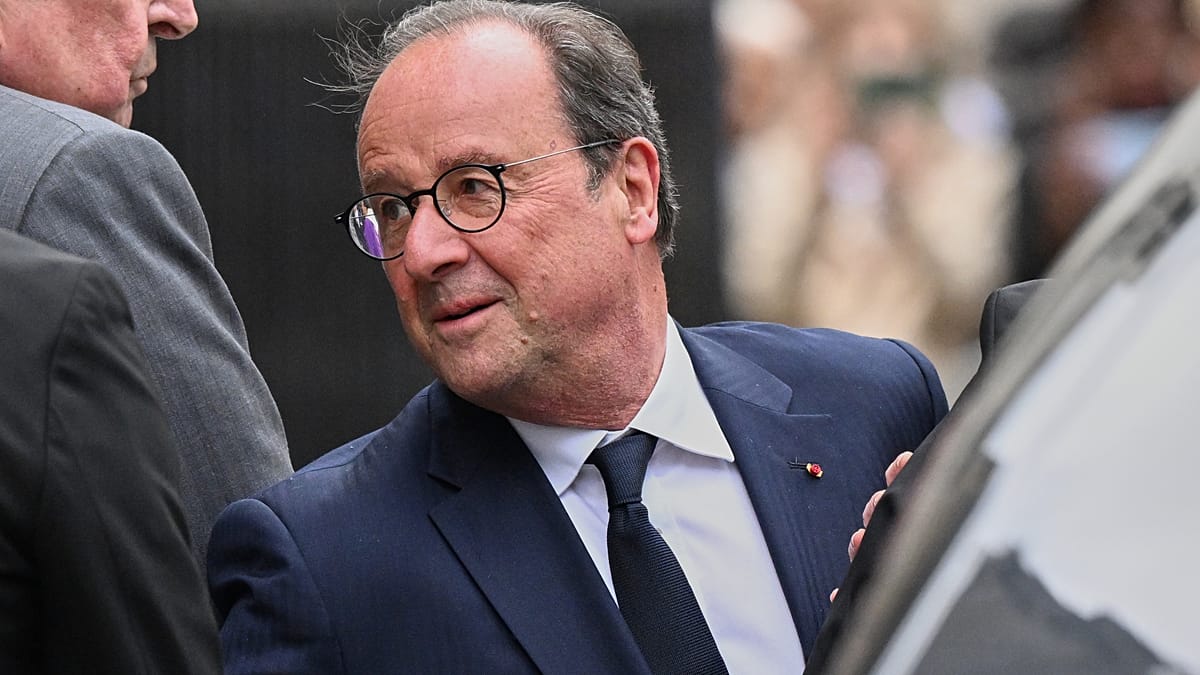
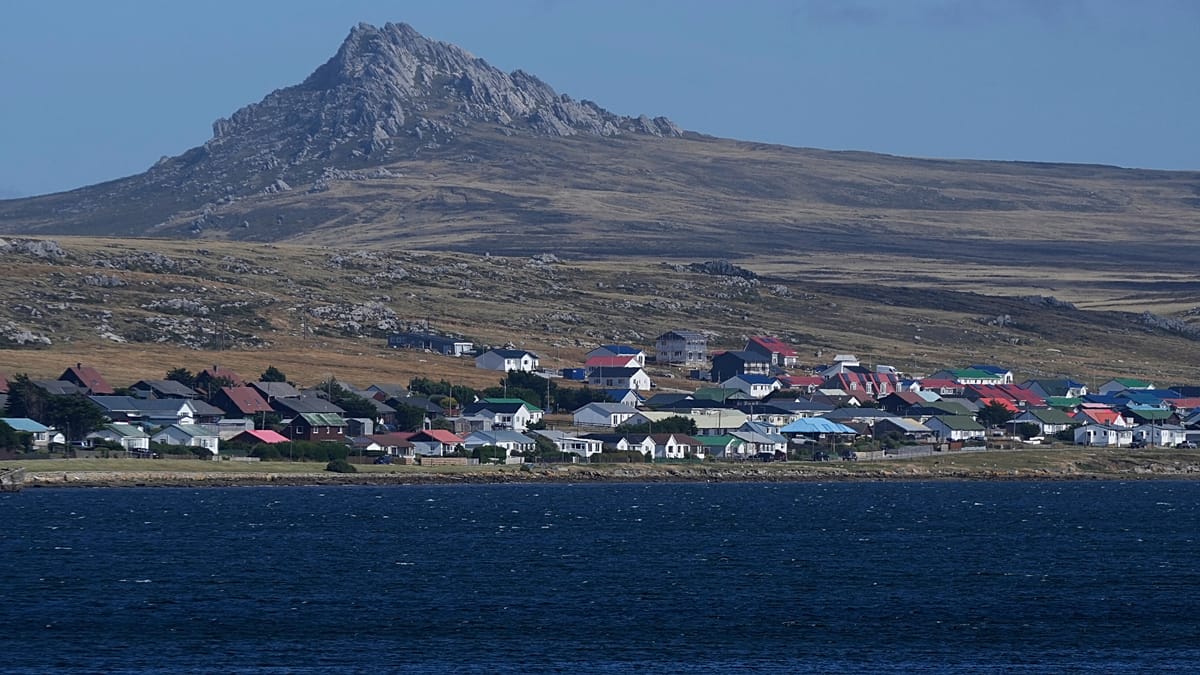
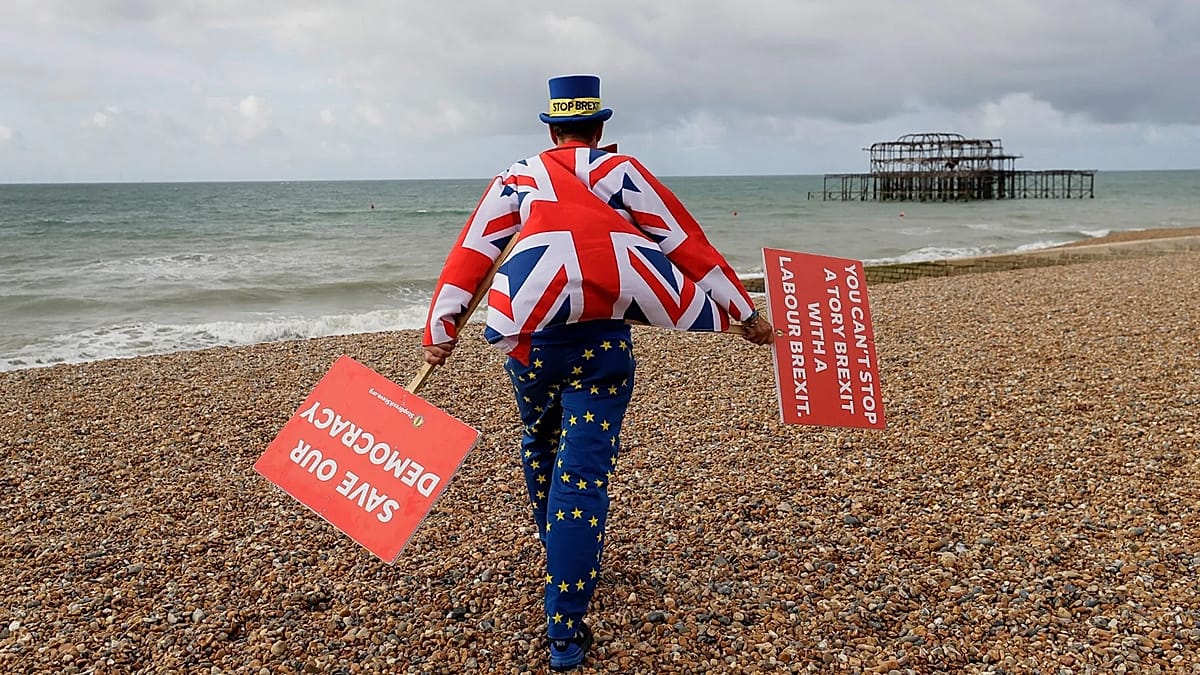
A decade on. A day after Britons were told Prime Minister Keir Starmer would be stepping down, ushering in a new — seventh — prime minister since 2016, they have also been reminded of another reality. It has been 10 years since the United Kingdom voted to leave the European Union.
After more than four decades of being in the 28-member club, on 23 June 2016 the country voted 52%-48% to leave the EU. Conservative Prime Minister David Cameron, who called the referendum but campaigned for the UK to stay in the bloc, quit the next day.
Although this occurred a decade ago, the fault lines are still visible in 2026. Starmer led his Labour Party with a mindset of resetting relations with Brussels, with a very much hyped EU-UK Summit on July 22 now hanging in the balance.
As reported by my colleague Mared Gwyn, who has skin in the game as a Welsh person, the EU is “reassessing” plans to hold the summit with the UK in late July. This is because Starmer’s successor will be in his post in just three and a half weeks.
The former leader was closing in on a series of deals to bolster trade ties, integrate electricity markets and boost youth mobility in time for the summit, the second of its kind. In light of his step-down, this has been put on the backburner.
MEP Sandro Gozi of Renew Europe sits on a parliamentary delegation regarding the EU and UK. He insisted that the summit must go ahead and it must be accompanied by a “long-term vision”.
“Whoever forms the next UK Government should have the courage to set out a clear strategy for Britain’s place in Europe, worthy of Britain’s young people who see themselves as Europeans,” he said.
Irish MEP Ciarán Cuffe, European Green Party co-chair, on the other hand is confident about a change in leadership. She stated that the resignation is also an opportunity for the UK Labour Party to “demonstrate their European credentials under a new leader” and pivot back to the EU.
As my Irish colleague Shona Murray writes in from Dublin for the newsletter, there’s no way of tackling the immense economic pressure facing the UK’s economy without confronting the consequences of the decision to leave.
The British economy is smaller because of Brexit: Investment is down, unemployment is up and the UK economy has suffered a 6% hit according to a report from the Bank of England.
Although the UK Labour Party triumphed at the election that swept Starmer to power, the party lost a bruising 1,400 English council seats, as well as key positions in Welsh and Scottish parliaments in May. Many interpreted this as Starmer’s death knell.
On the other hand, Reform UK, the party of arch-Brexiteer Nigel Farage, is topping national polls at around 27% of the voting intention.
Farage has long-campaigned on a policy platform of strict immigration controls as well as EU-skepticism, throwing question marks over the febrile relationship between the Berlaymont and Westminster — and the citizens across the Channel.
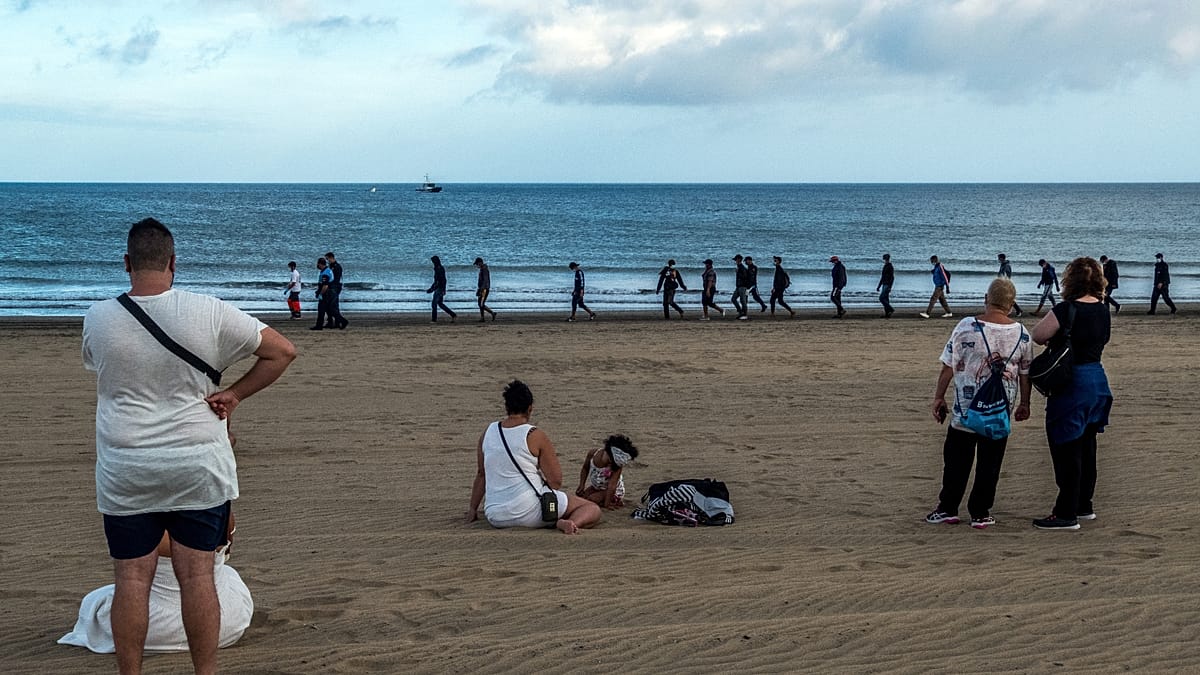
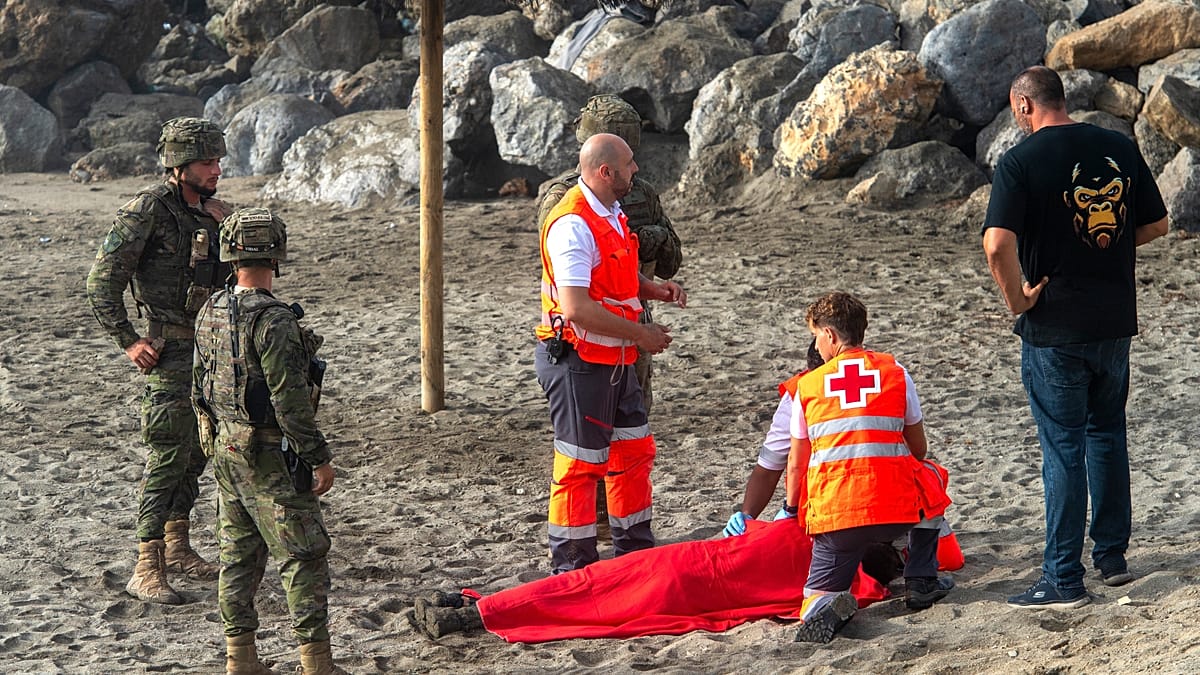
Speaking of migration. The European Commission left the door open to financing so-called “return hubs” for migrants with the EU budget.
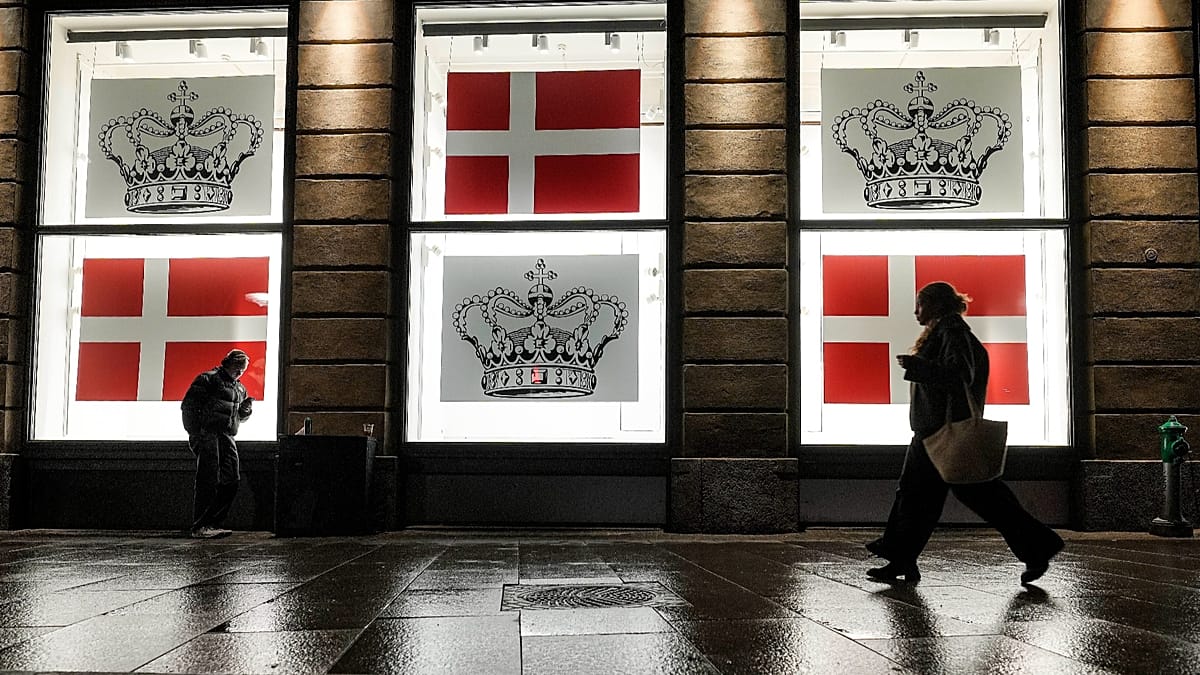
It comes days after a group of 19 countries, led by Denmark and Italy, made a new push for outsourcing. “We will look and be able to assess any proposal that is mature,” a Commission spokesperson said when asked about the financial possibility.
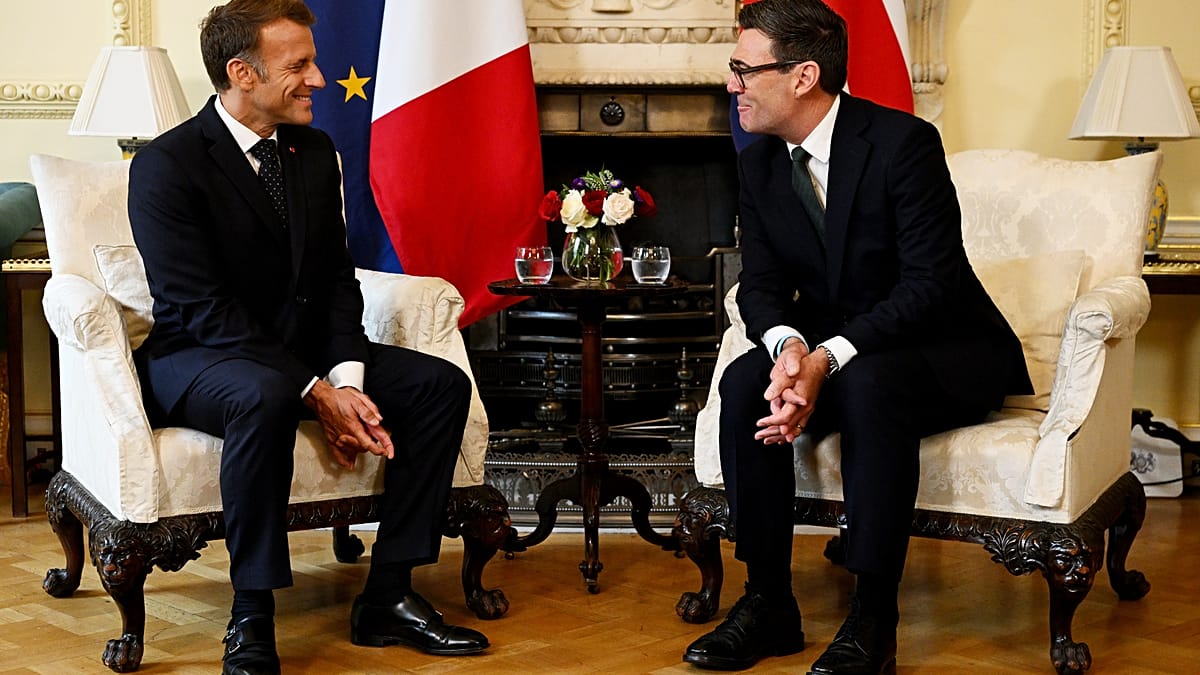
As my colleague Jorge Liboreiro reports, the message is set to go down badly in Paris: French President Emmanuel Macron has categorically opposed using EU funds to pay for the hubs. Read this story to understand why.
Secret trip revealed. We broke the news in this newsletter yesterday that European Commissioner for the Mediterranean Dubravka Šuica was meeting Israel’s Minister for Foreign Affairs Gideon Sa’ar on Monday in Jerusalem.
A lot of digging later the Commission laid the details bare, while doubling down on the late supply of information by reiterating this was a “long-planned trip”.
Sa’ar and Šuica delivered a press conference, which one European diplomat blasted as a clear failure for the top Brussels brass as she stood next to an official who has boycotted the EU’s top diplomat, Kaja Kallas. Read more here.
Inside Ukraine’s campaign to turn Russian-occupied Crimea into an ‘island’
Russian occupation representatives in annexed Crimea have shut down all children’s summer camps, rationed petrol sales to administration officials only and cancelled all public events, as Ukraine intensifies a drone and missile campaign targeting the peninsula’s fuel and energy infrastructure.
As reported by my colleague Sasha Vakulina, the summer camp suspension is taking effect from Monday until 1 September and includes the “booking of places, the admission and accommodation of children and groups of children at children’s holiday and health resorts.”
“In the current circumstances, these measures are necessary to ensure public safety,” the Moscow-installed officials said. On Sunday, rolling electricity consumption schedules were also introduced in occupied Crimea due to power supply problems.
A partial power outage reportedly occurred among consumers in the north-western, central and south coast energy districts in the Russian-occupied peninsula due to damage to power grid facilities.
In addition, Crimea’s occupation authorities announced that a new restriction on petrol sales is being introduced on the peninsula, under which fuel may only be purchased by representatives of the occupation administration.
Moscow-installed occupation authorities also announced that parts of the peninsula would be left without street lighting and that all public events had been cancelled.
Commander of Ukraine’s Unmanned Systems Forces Robert Brovdi, known by the call sign “Madyar,” said in a post on Telegram that strikes on the night of Sunday targeted oil terminals, gas compressors, and radar systems in occupied Crimea.
Read more of this story here.
More from our newsrooms
EU’s phase-out of China-made inverters gets a reality check
As the EU plans to ban Chinese power inverters from EU-funded projects over cybersecurity fears, industry and investors are warning that European supply can’t yet replace Chinese suppliers any time soon. Luca Bertuzzi has more on this story.
Belgium issues visas to Taliban delegation for EU migration talks
In a contentious move, travel permits have been provided to a Taliban delegation, paving the way for the first visit by Taliban representatives to an EU-hosted event in Brussels since the group returned to power in Afghanistan in 2021. Leticia Batista Cabanas has the details.
EU sets stage for decoupling Moldova’s accession bid from Ukraine’s
From the start, the accession bids of Moldova and Ukraine have been informally coupled. But now, after the opening of the first cluster of negotiations, the two candidates might go separate ways. Read more of Jorge’s story.
We’re also keeping an eye on
- European Commissioner Dubravka Šuica continues her trip to Israel and Palestine.
- European Parliament President Roberta Metsola will deliver a press conference alongside the Irish Prime Minister (Taoiseach) Micheál Martin at 6.15 p.m. local time in Dublin. It will focus on the beginning of the Irish EU Council Presidency.
- The second day of the Agriculture and Fisheries Council continues in Luxembourg.
- That’s it for today. Mared Gwyn, Shona Murray and Jorge Liboreiro contributed to this newsletter.