
Close Menu
Daily Guardian EuropeDaily Guardian Europe
  • Home
  • Europe
  • World
  • Politics
  • Business
  • Lifestyle
  • Sports
  • Travel
  • Environment
  • Culture
  • Press Release
  • Trending
What's On

ChatGPT soumis à de nouvelles règles européennes aux multiples angles morts – POLITICO

September 3, 2026

Macron and Burnham hail stronger UK-France ties at Downing Street talks

September 3, 2026

Iranian café chain mogul jailed and stripped of assets for backing January protests

September 3, 2026

Lisbon: MOTELX launches 20th edition with expanded programme and plenty of horror

September 3, 2026

Germany’s far right gains off VW troubles – POLITICO

September 3, 2026
Facebook X (Twitter) Instagram
Web Stories
Facebook X (Twitter) Instagram
Daily Guardian Europe
Newsletter
  • Home
  • Europe
  • World
  • Politics
  • Business
  • Lifestyle
  • Sports
  • Travel
  • Environment
  • Culture
  • Press Release
  • Trending
Daily Guardian EuropeDaily Guardian Europe
Home»Culture
Culture

National Portrait Gallery removes artwork after row over Churchill’s legacy

By staffJune 24, 20263 Mins Read
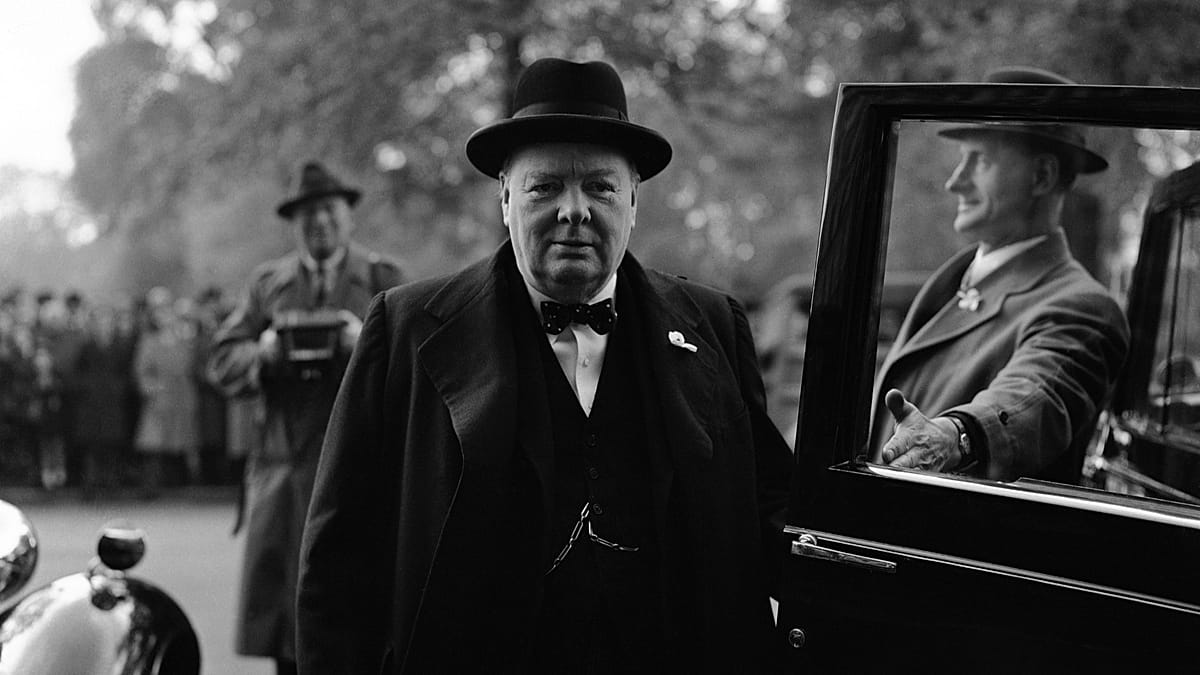
National Portrait Gallery removes artwork after row over Churchill’s legacy
Share
Facebook Twitter LinkedIn Pinterest Email

Published on
24/06/2026 – 14:22 GMT+2

The National Portrait Gallery (NPG) in London has removed a video installation by British artist Helen Cammock after a row erupted over its characterisation of Winston Churchill’s role in the 1943 Bengal famine.

The NPG had commissioned the artwork, titled “Persistence,” as part of a project involving nine artists who offered a reflexive approach on portraiture. Cammock’s output was first exhibited in the London museum in September 2025 and was set to remain on display until August 2026.

The museum said it challenges “the National Portrait Gallery’s position as an institution chiefly known for its representation and celebration of well-known sitters.”

In the 40-minute film, which she narrates, Cammock mentions English stateman Oliver Cromwell’s 1600s military campaigns in Ireland and compares him to Winston Churchill. Cromwell, she says, had “starved people, en masse, a little like the willful starvation of the Indian population by Winston Churchill.”

Conservative newspaper The Telegraph slammed the comment – the sole reference to Churchill throughout the video – as incorrect in a 14 June article.

The controversy escalated when historian Andrew Roberts asked for the artwork’s removal in an open letter to the NPG signed by 50 current and former members of the House of Lords, including Churchill’s grandson Nicholas Soames.

The letter claimed the video’s description of the famed British prime minister was an “ideologically motivated rant.”

“The accusation that [the famine] was deliberately visited upon Bengalis by Churchill is foul and vile. It is also historically ludicrous,” it added.

Roberts, a Churchill biographer, said the 1943 Bengal famine was primarily caused by a typhoon and that the Churchill administration took measures to send grain as soon as it became aware of the situation.

But Churchill’s role in the tragedy, which killed an estimated 3 million people in India, remains disputed.

In 1981, Nobel prize-winning economist Amartya Sen argued that the famine resulted not from a lack of food but from surging prices pushed by Britain’s wartime spending and exacerbated by inequalities and policy failures.

The National Portrait Gallery initially said Cammock’s work reflected “her personal reflections on historical and current events”.

“We support freedom of artistic expression while not necessarily endorsing the opinions expressed by any of the artists shown at the gallery,” it added.

However, the Turner Prize-winning artist eventually opted to remove her video installation. “We respect her decision,” the gallery said. “Just as we acknowledge the opinions of those who were offended by what was said in the film.”

“There is an incredible pressure on artists and arts institutions to bend to external pressure; to be benign at best and silent at worst,” Cammock said in a statement.

“I do not accept this pressure. To question, challenge and explore ideas and histories is vital to a healthy society and art is intrinsic to this.”

Share. Facebook Twitter Pinterest LinkedIn Tumblr Email

Keep Reading

Lisbon: MOTELX launches 20th edition with expanded programme and plenty of horror

Remembering Gloria Steinem: A life in powerful quotes and witticisms

The Killers’ hit ‘Mr Brightside’ continues to break records and reaches 520 weeks in the UK Chart

Gloria Steinem, feminist icon, writer and pioneering journalist, dies aged 92

Cassandra Wilson, the celebrated Grammy Award-winning jazz singer, dies aged 70

From flamenco to punk: Granada launches Neorama, festival of young talent

Matthew Perry three-part documentary coming to Netflix next month

Venice Film Festival: Clooney, conflicts and competition dominate as ceremonies begin

Hope, Dopamine and whatever ‘Perfecth’ means: Euronews Culture’s Fall music preview

Editors Picks

Macron and Burnham hail stronger UK-France ties at Downing Street talks

September 3, 2026

Iranian café chain mogul jailed and stripped of assets for backing January protests

September 3, 2026

Lisbon: MOTELX launches 20th edition with expanded programme and plenty of horror

September 3, 2026

Germany’s far right gains off VW troubles – POLITICO

September 3, 2026

Subscribe to News

Get the latest Europe and world news and updates directly to your inbox.

Latest News

Former French President Hollande publishes new book with plan for France, but remains undecided about running

September 3, 2026

Russians skewer authorities for ordering citizens to register their chicken

September 3, 2026

“Anti-fast fashion” law: foreign ministry denies any discrimination against China

September 3, 2026
Facebook X (Twitter) Pinterest TikTok Instagram
© 2026 Daily Guardian Europe. All Rights Reserved.
  • Privacy Policy
  • Terms
  • Advertise
  • Contact

Type above and press Enter to search. Press Esc to cancel.