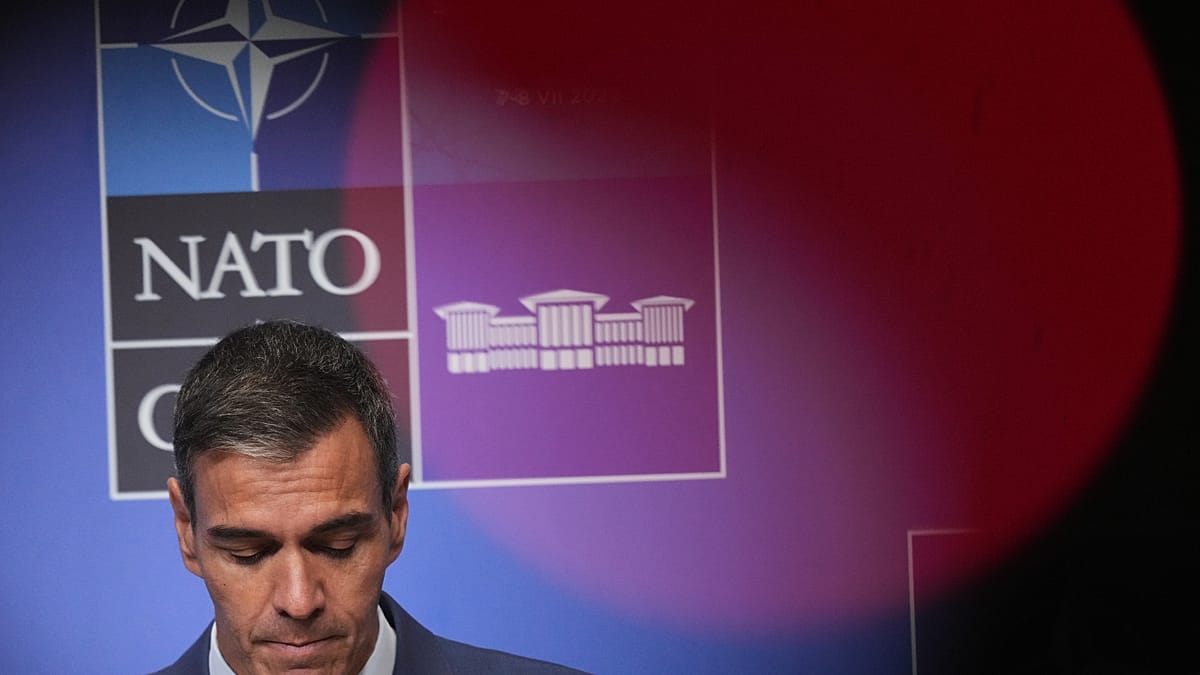




NATO allies, with the exception of Spain, agreed at last year’s summit in The Hague to spend 5 percent of GDP on defense by 2035. Yet with most European countries currently spending far below that level and grappling with fiscal constraints, it remains unclear how many will meet the target.
The Baltic countries of Latvia, Lithuania and Estonia are among Europe’s biggest defense spenders relative to economic output. Their leaders met with Merz in Berlin to coordinate positions ahead of next week’s NATO summit in Ankara.
A key priority for European leaders at that summit will be convincing U.S. President Donald Trump that they are doing enough to boost defense spending amid concerns the president could weaken the U.S. commitment to the alliance or penalize countries that fall short.
“The United States spends more money on NATO than any other country, by far, to protect them, without getting any benefit from so doing,” Trump said in a Truth Social post Thursday. He then singled out several European countries, including Germany, referring to their defense expenditure as “Ridiculous!”
Asked about the post on Friday, Merz said Germany is making strides toward meeting the NATO spending target, which Berlin has pledged to reach by 2029.
“Germany is doubling its defense budget within four years,” Merz said. “This is the greatest effort we have ever made to strengthen our defense capabilities. In that regard, we have nothing to hide from anyone.”