



Published on
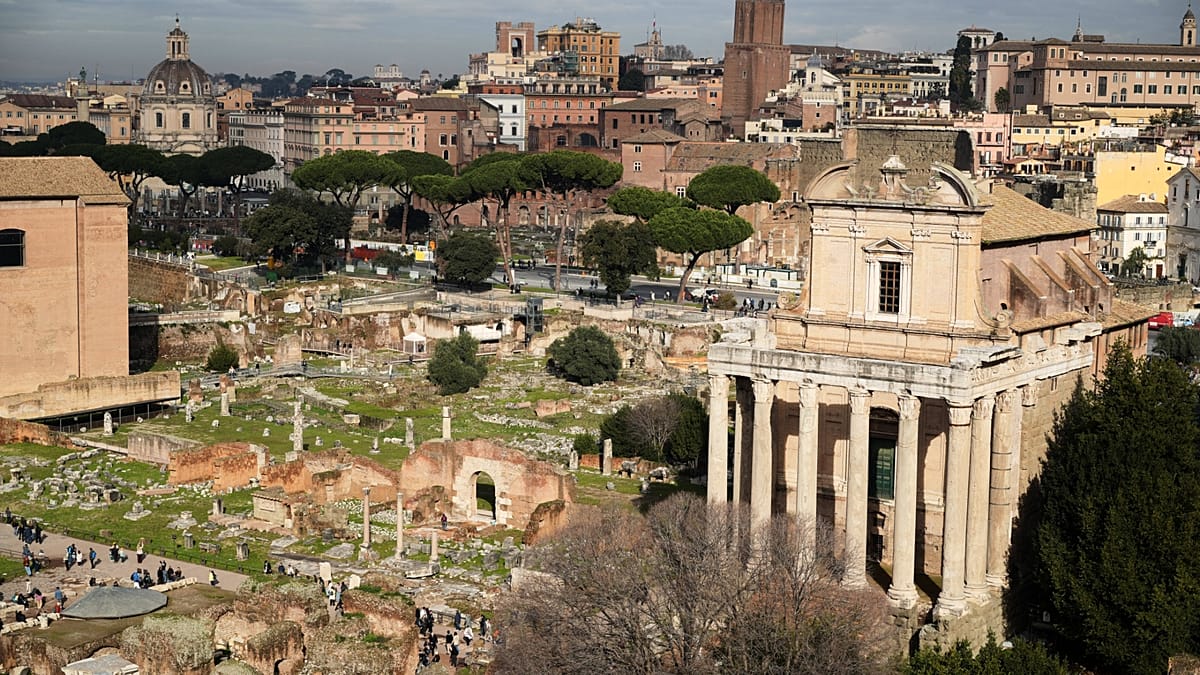
Long closed to visitors and only known to researchers, “La Casa dei Grifi” is a Republican-era residence located on the Palatine Hill, at the heart of ancient Rome. For decades, the domus has remained inaccessible due to its fragile condition and the challenges linked to conservation.
But that is set to change next month as the house, which dates back to between the late second and the mid-first century BC, will finally welcome visitors.
According to Paola Quaranta, archaeologist and site manager of the Palatine Hill and the Colosseum, the site is exceptional both for its age and its state of preservation.
“This is the oldest Republican-era house in Rome documented so far,” she said, stressing that what makes it unique is “the level of decoration that has survived, on both the floors and the walls.” As a result, she added, the domus offers “a direct window into daily life in the Republican period, in a way we don’t really have elsewhere.”
The conservation project, like many others in the area, was made possible thanks to funding from the EU’s post-Covid recovery fund.
Rather than allowing direct physical access, visitors will be able to explore the site through a remotely accessible, real-time guided experience.
This approach allows the public to discover the site while ensuring the protection of its remains, a solution designed to preserve artefacts that have survived for centuries.
Quaranta explained that the project was conceived with the goal of “full access for everyone.” This includes experiencing the domus and its frescoes through multimedia and immersive tools, which help recreate what the house would have looked like when it was still lived in.
A physical visit, however, is not currently possible. “Not only for conservation reasons,” she said, “but also because the only access is a very steep, original staircase”.
After centuries, the doors of this luxurious, multi-level residence, believed to have once belonged to a wealthy Roman senator are reopening, offering a rare and vivid glimpse into daily life in ancient Rome.