







It’s a scenario that Miliband and Starmer want to avoid in future by focusing on producing electricity from domestic sources like offshore wind that are not subject to the ups and downs of global fossil fuel markets.
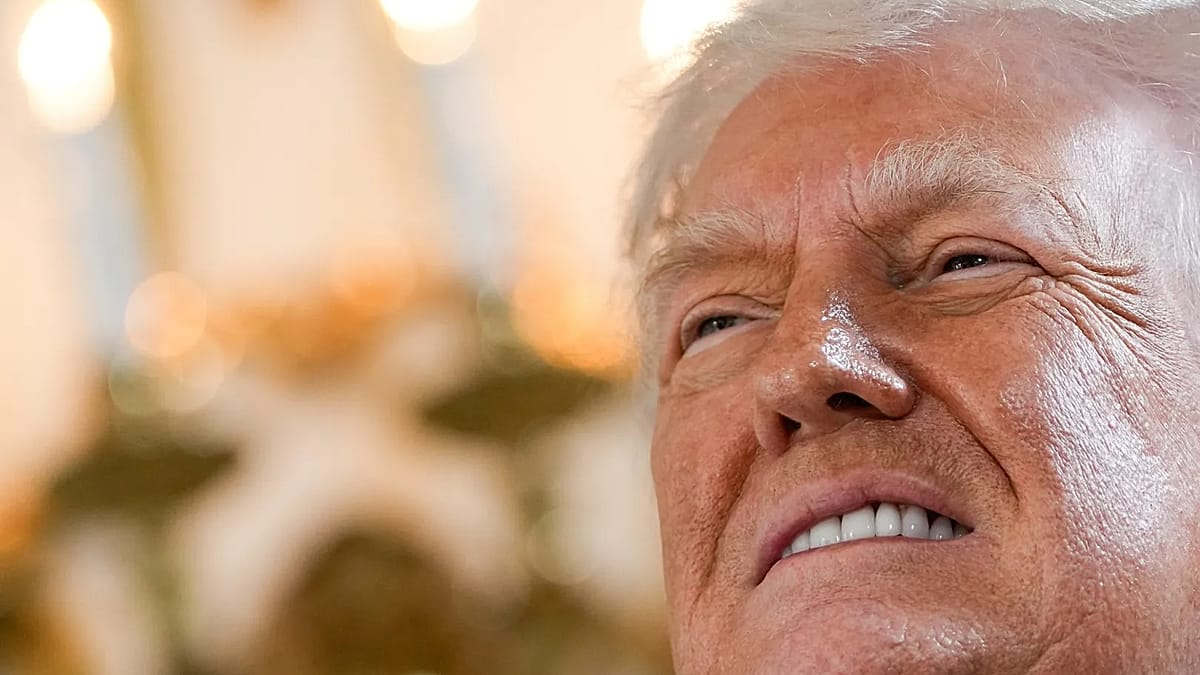
Trump, by contrast, wants to keep Europe hooked on gas — specifically, American gas.
The U.S. National Security Strategy, updated late last year, states Trump’s desire to use American fossil fuel exports to “project power.” Trump has already strong-armed the European Union into committing to buy $750 billion worth of American liquefied natural gas (LNG) as a quid pro quo for tariff relief.
No one in Starmer’s government explicitly named Trump or the U.S. on Wednesday. But Chris Stark, a senior official in Miliband’s energy department tasked with delivering the 2030 goal, noted that “every megawatt of offshore wind that we’re bringing on is a few more metric tons of LNG that we don’t need to import.”
The U.K.’s investment in offshore wind also provides welcome relief to a global industry that has been seriously shaken both by soaring inflation and interest rates — and more recently by a Trump-inspired backlash against net zero and clean energy.
“It’s a relief for the offshore sector … It’s a relief generally, that the U.K. government is able to lean into very large positive investment stories in U.K. infrastructure,” said Tom Glover, U.K. country chair of the German energy firm RWE, which was the biggest winner in the latest offshore wind investment, securing contracts for 6.9 gigawatts of capacity.
A second energy industry figure, granted anonymity because they were not authorized to speak on the record, said the U.K.’s plans were a “great signal for the global offshore wind sector” after a difficult few years — “not least the stuff in the U.S.”
The other big winner was British firm SSE, which has plans to build one of the world’s largest-ever offshore wind projects, Berwick Bank — off the coast of Donald Trump’s beloved Scotland.


