
Close Menu
Daily Guardian EuropeDaily Guardian Europe
  • Home
  • Europe
  • World
  • Politics
  • Business
  • Lifestyle
  • Sports
  • Travel
  • Environment
  • Culture
  • Press Release
  • Trending
What's On

EU leaders aim for October draft deal on €2 trillion budget

June 19, 2026

Estonia creates AI ‘ID Codes’ to govern autonomous agents

June 19, 2026

Would you pay €50 to visit Venice? New mayor is pushing for entry fee hike

June 19, 2026

Time to bring back shame? Olivia Rodrigo reveals she has smelled diaper-wearing fans at live shows

June 19, 2026

Trump backs down on plans to slash ocean science funding – POLITICO

June 19, 2026
Facebook X (Twitter) Instagram
Web Stories
Facebook X (Twitter) Instagram
Daily Guardian Europe
Newsletter
  • Home
  • Europe
  • World
  • Politics
  • Business
  • Lifestyle
  • Sports
  • Travel
  • Environment
  • Culture
  • Press Release
  • Trending
Daily Guardian EuropeDaily Guardian Europe
Home»Travel
Travel

Is it now safe to travel to the Middle East? What to know as UK downgrades advisories

By staffJune 19, 20263 Mins Read
Is it now safe to travel to the Middle East? What to know as UK downgrades advisories
Share
Facebook Twitter LinkedIn Pinterest Email

The UK foreign office has downgraded its travel advisory for some Middle Eastern countries following a memorandum of understanding signed by the US and Iran.

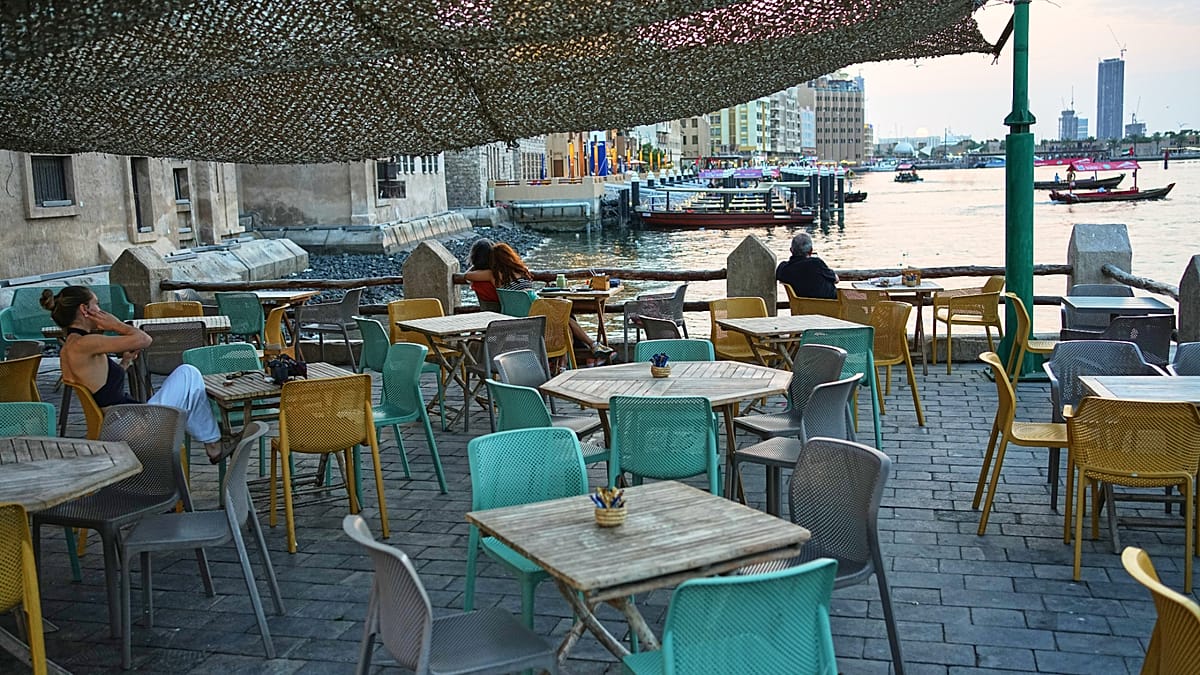
The new advice makes it easier for British holidaymakers to travel to destinations like Dubai and Doha.

However, other European governments have not yet changed their guidelines, so citizens should make sure they are aware of what is current in their country as “all but essential travel” advisories can invalidate travel insurance.

Despite the move towards ending the war in the Middle East, airlines are not rushing to resume flights to the region. Most are sticking to their previously announced dates for service resumption. You can find a comprehensive list here.

UK relaxes travel advice for the Middle East

The British Foreign, Commonwealth & Development Office (FCDO) no longer advises against all but essential travel to the UAE, Bahrain, Qatar and Kuwait, as well as to the Eastern Province and Riyadh Province in Saudi Arabia.

This follows an earlier update to the advisory for Jordan, where it only advises against all travel to within 3km of the border with Syria.

All travel to Iran, Syria and Yemen is still advised against.

Despite easing the guidelines, the FCDO still urges caution. “The situation remains unpredictable and attacks could resume at short notice,” it writes in a statement.

Should hostilities resume, British nationals should read the document “If you’re affected by a crisis abroad”, and follow advice from the local authorities.

The FCDO also advises that travellers monitor local and international media for the latest information, stay away from areas around security or military facilities, keep departure plans under review, and ensure travel documents are up to date.

European governments maintain travel warnings for the Middle East

Travellers based in other European countries should check their own government advisories, as many have not been updated.

For example, Ireland’s Department of Foreign Affairs (DFA) still has “avoid non-essential travel” warnings for the UAE, Saudi Arabia, Qatar, Kuwait, Bahrain and Jordan, as well as “do not travel” advisories for Iran, Israel and Lebanon.

Germany’s Foreign Office continues to “strongly discourage” travel to the UAE, Saudi Arabia, Qatar, Oman, Jordan and Bahrain.

“The security situation in the region remains highly volatile; a further escalation of the security situation in the region, including significant restrictions on air traffic, cannot be ruled out,” it writes for most of the countries.

France’s authorities still advise against travelling to the UAE, Saudi Arabia, Qatar and Kuwait, “except for compelling reasons”.

Travellers should remember that going ahead with a trip to a region where their home country’s foreign office advises against visiting can invalidate travel insurance.

Share. Facebook Twitter Pinterest LinkedIn Tumblr Email

Keep Reading

Would you pay €50 to visit Venice? New mayor is pushing for entry fee hike

From oak forests to steppe lakes: Central Europe’s five best summer destinations

Inside the ultra-luxe Swiss mountainside retreat where Iran and the US are set to meet

Discover Lisbon like a local with our guide: Seven insider tips for its seven hills

Waldorf Astoria to open in London’s iconic Admiralty Arch in autumn 2026 – in pictures

These luxury European hotels have been included in a new hall of fame list

This hotel chain just launched an ‘anti-appy hour’ to get guests off their phones

Four Seasons has just opened a luxury wellness resort on the Red Sea

New fleet of electric hydrofoil boats to be deployed in the Maldives

Editors Picks

Estonia creates AI ‘ID Codes’ to govern autonomous agents

June 19, 2026

Would you pay €50 to visit Venice? New mayor is pushing for entry fee hike

June 19, 2026

Time to bring back shame? Olivia Rodrigo reveals she has smelled diaper-wearing fans at live shows

June 19, 2026

Trump backs down on plans to slash ocean science funding – POLITICO

June 19, 2026

Subscribe to News

Get the latest Europe and world news and updates directly to your inbox.

Latest News

Von der Leyen told EU leaders it’s right time to consider a mandate for talks with Russia

June 19, 2026

VivaTech 2026: Why learn German when AI can talk for you, asks DeepL CEO

June 19, 2026

Is it now safe to travel to the Middle East? What to know as UK downgrades advisories

June 19, 2026
Facebook X (Twitter) Pinterest TikTok Instagram
© 2026 Daily Guardian Europe. All Rights Reserved.
  • Privacy Policy
  • Terms
  • Advertise
  • Contact

Type above and press Enter to search. Press Esc to cancel.