


Iran on Monday threatened to attack electrical plants powering US military bases in the Middle East, its latest response to US President Donald Trump’s deadline on opening the Strait of Hormuz, which expires by the end of Monday (today).
“Do not doubt that we will do this,” a statement from Iran’s paramilitary Revolutionary Guard, read out on Iranian state television, warned.
“What we have done is to announce our decision that if the power plants are attacked, Iran will retaliate by targeting the power plants of the occupying regime and the power plants of regional countries that supply electricity to US bases, as well as the economic, industrial and energy infrastructures in which Americans have shares,” the statement said, referring to Israel as an “occupying regime.”
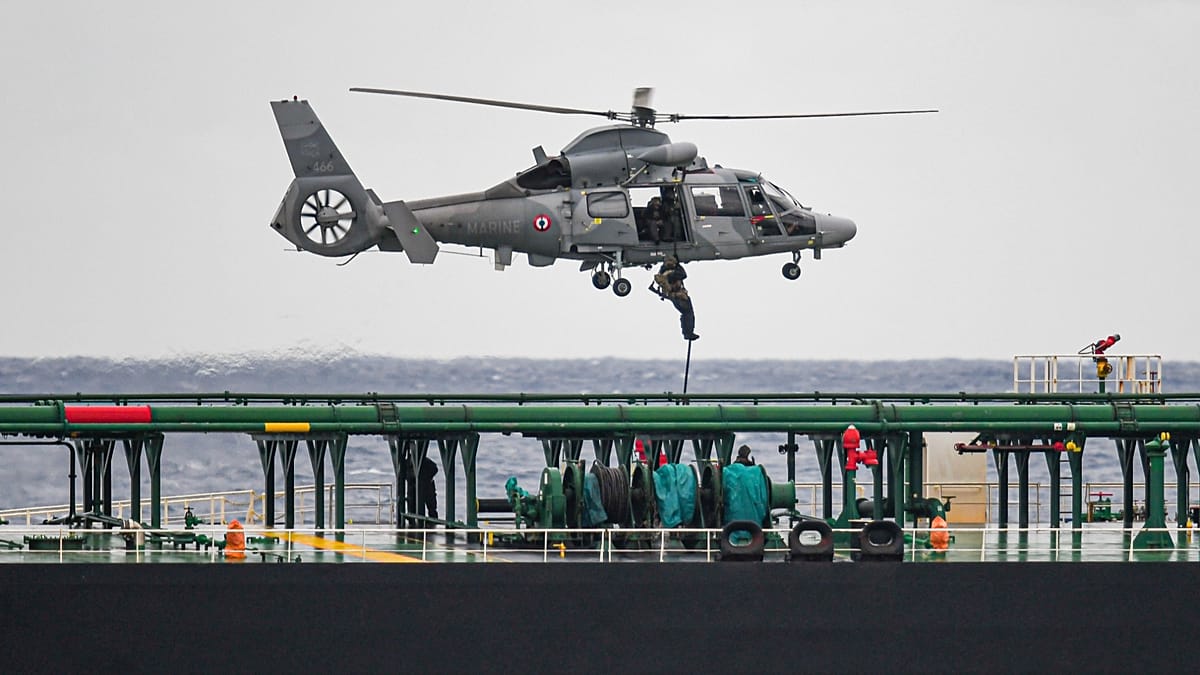
The statement marks the latest attempt by Tehran to try and explain its attacks on the Gulf Arab countries after Trump warned early Sunday morning that the US will target Iranian power plants in 48 hours if the strait remains effectively closed by Iranian fire on shipping.
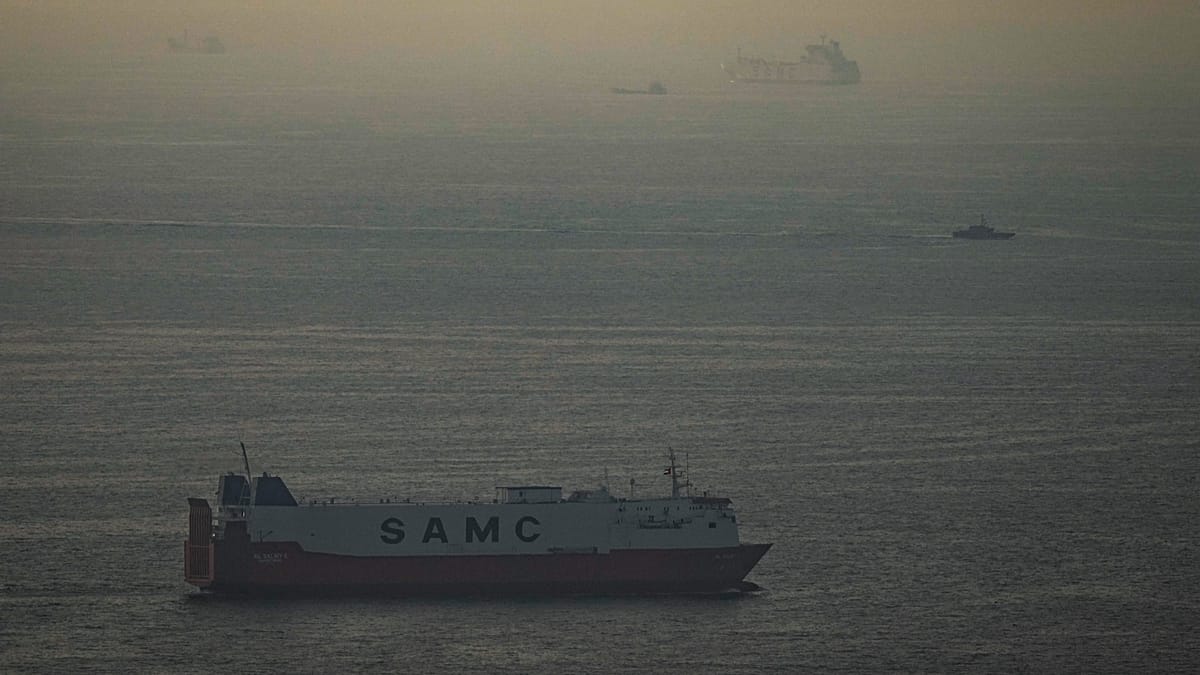
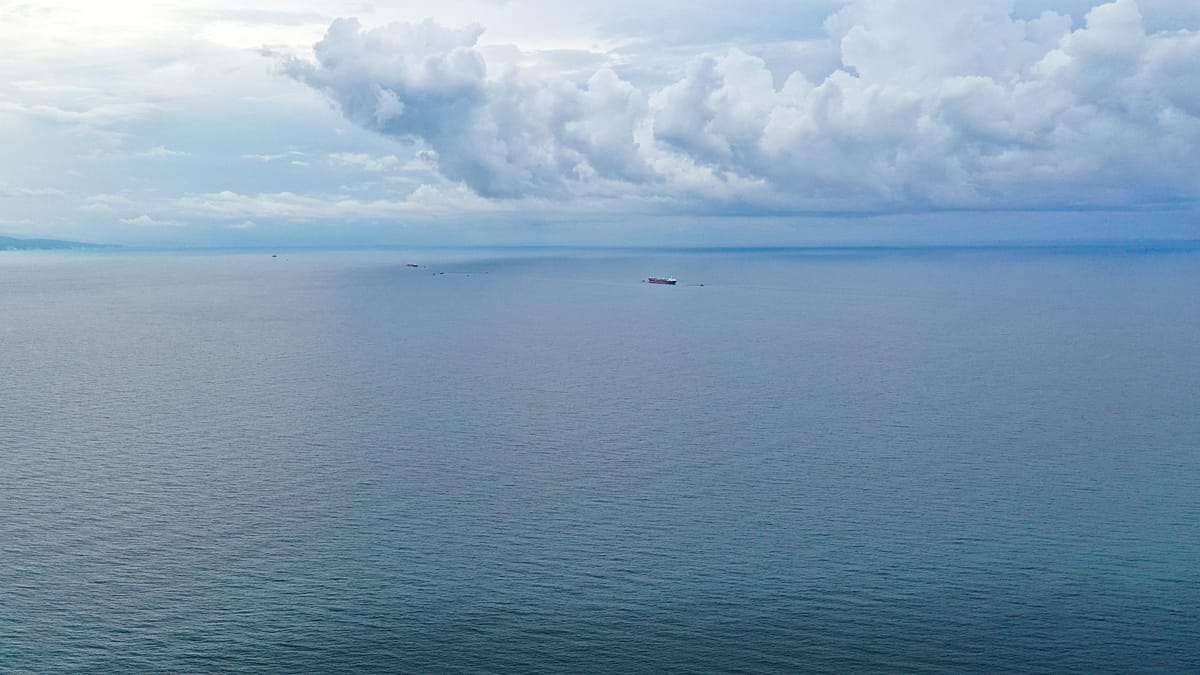
The geographically narrow waterway connecting the Persian Gulf to the Gulf of Oman is currently the center of a major international energy crisis after becoming “de facto” closed by Iran as part of its retaliation for what it calls ‘US-Israeli aggression’.
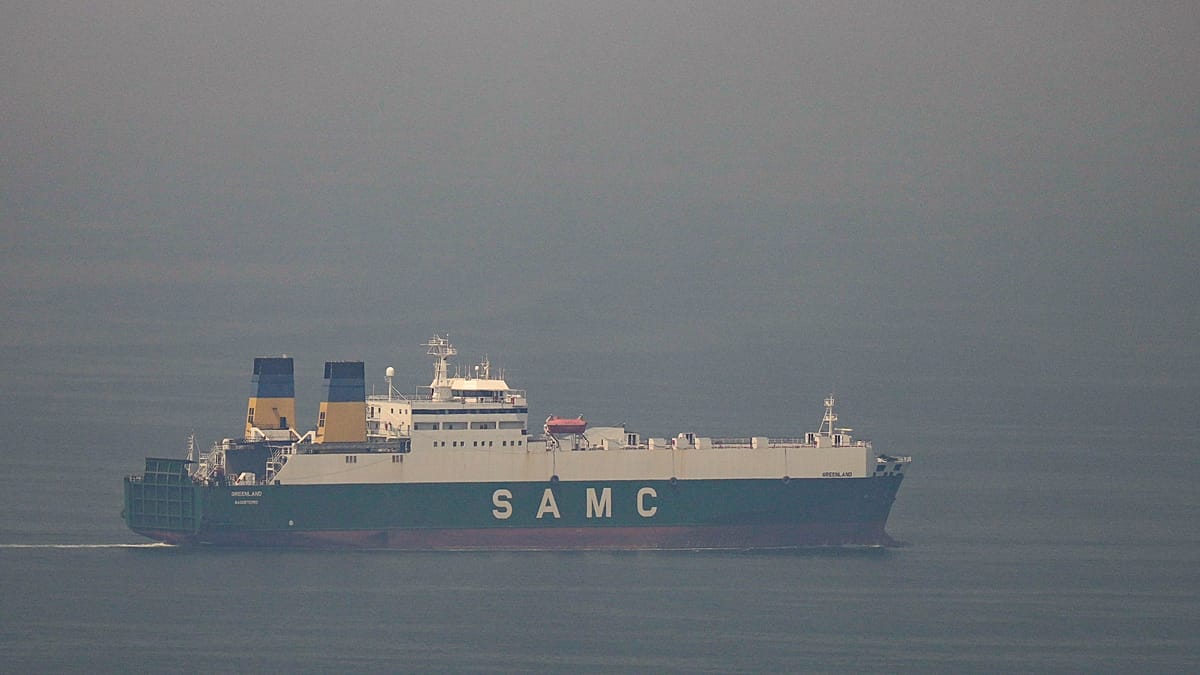
With tanker traffic plummeting from roughly 100 transits a week to just 7 and most commercial ships anchoring outside to avoid attack, Iran maintains the strait is “open to all except enemies.”
Conflict enters fourth week
Meanwhile, ongoing hostilities continue in the conflict now in its fourth week. Iran sustained its attacks on its neighbours, with Saudi Arabia’s Defense Ministry saying Monday it intercepted a ballistic missile targeting the kingdom’s capital, Riyadh, while another struck an “uninhabited area.”
In the United Arab Emirates, authorities said its air defenses were working to intercept incoming missiles from Iran early Monday, without elaborating.
And both Bahrain and Kuwait sounded missile alerts early Monday over incoming Iranian fire, though it wasn’t clear if there was any immediate damage from the barrages.
As airstrikes hit Iran’s capital early Monday, the Israeli military said it had “begun a wide-scale wave of strikes targeting Iranian terror regime infrastructure.”
It did not immediately elaborate. On Sunday, Israeli leaders visited one of two southern communities near a secretive nuclear research site struck by Iranian missiles late Saturday, with scores of people wounded. Prime Minister Benjamin Netanyahu said it was a “miracle” no one was killed.
US Central Command: Iran campaign ‘ahead or on plan’
Netanyahu claimed Israel and the US were well on their way to achieving their war goals, ranging from weakening Iran’s nuclear program, missile program and support for armed proxies to enabling the Iranian people to overthrow the theocracy.
On the US side, the top commander of the US military’s Central Command said the US campaign against Iran is “ahead or on plan.”
Speaking in his first one-on-one interview of the war to the Farsi-language satellite network Iran International, which aired early Monday, U.S. Navy Adm. Brad Cooper said Iran’s continued attacks on Gulf Arab states and the wider Mideast put civilians at risk.
He added that the US and Israel were targeting missile and drone manufacturing sites as well.
“We’re also going after the manufacturing,” he said. “So it’s not just about the threat today. We’re eliminating the threat of the future, both in terms of the ddrones andthe missiles aswell as the navy.”
Cooper also said it isn’t time for the Iranian public to come to the streets, although both Israel and the US have said they hope the Iranian public will topple the country’s theocracy as a result of the strikes.
“They’re launching missiles and drones from populated aareas,and you need to stay inside for right now,” Cooper said. “There will be a clear signal at some point, as the president has indicated, for you to be able to come out.”
The war, which the US and Israel launched 28 February, has killed over 2,000 people.