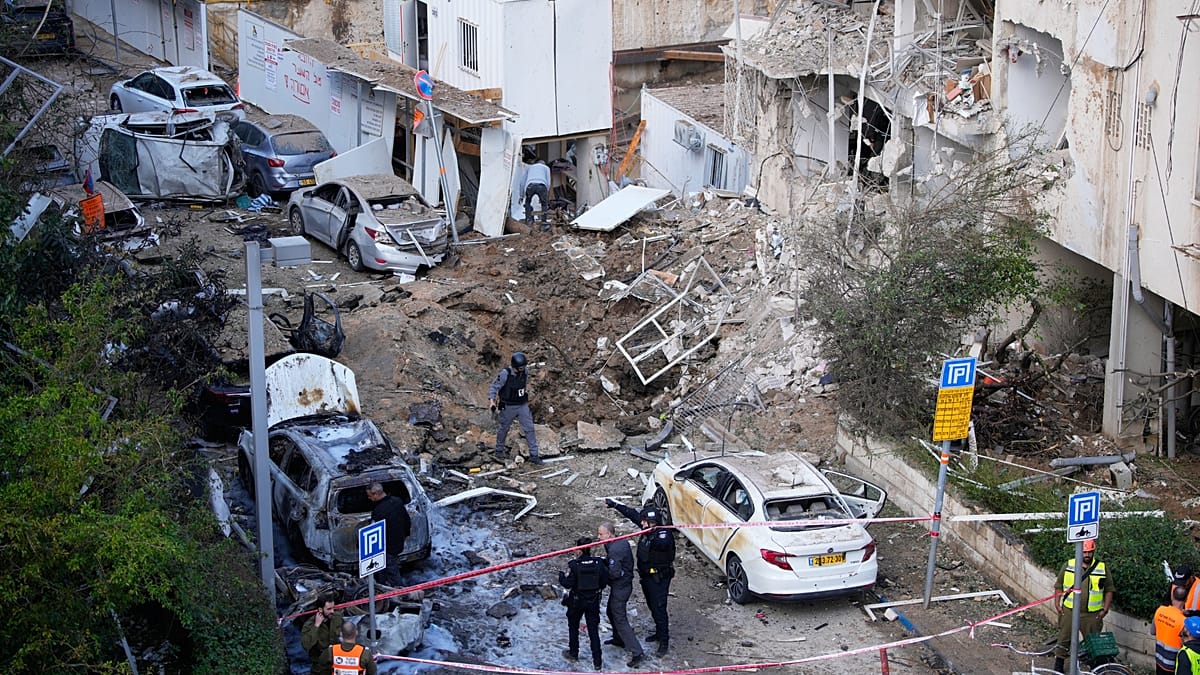




Iran launched a new wave of missiles against Israel early on Tuesday, hours after US President Donald Trump hailed “very good” talks to end the war despite Tehran denying any dialogue had taken place.
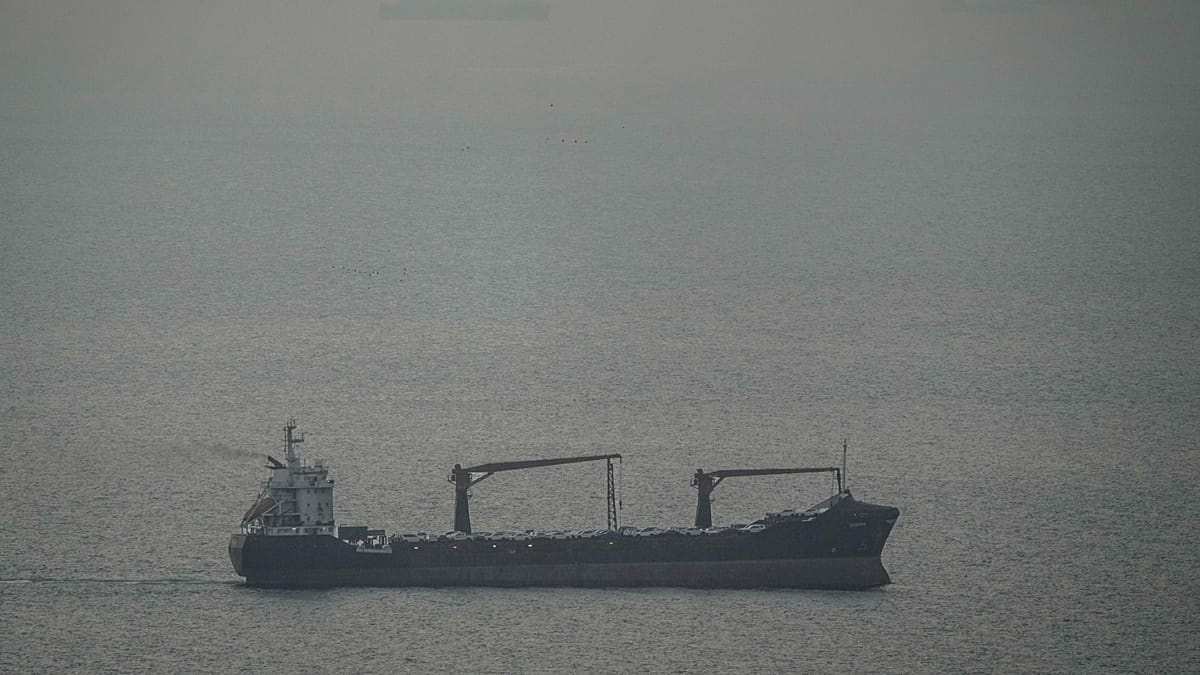
Trump’s comments prompted a positive response from jittery markets and pushed oil prices down, and came ahead of a deadline he imposed for Iran to reopen the Strait of Hormuz shipping lane or see the US “obliterate” its power plants. The US President then extended his deadline by five more days.
Trump said his administration was speaking with an unidentified “top person”, while warning if talks failed in the next five days “we’ll just keep bombing our little hearts out”.
Some media reports quoting an unnamed source in the Iranian Foreign Ministry said new points as a potential precursor to talks between both sides have been received via mediators.
US media outlet Axios, citing an unnamed Israeli official, identified Trump’s interlocutor as Mohammad Bagher Ghalibaf, Iran’s speaker of parliament and one of its most prominent non-clerical figures.
But Ghalibaf said on X that “no negotiations” were underway, insisting Trump was seeking “to manipulate the financial and oil markets”.
Iranian foreign ministry spokesman Esmaeil Baqaei said messages were received from “some friendly countries indicating a US request for negotiations aimed at ending the war”, but denied any such talks had taken place, Iran’s official IRNA agency reported.
Israeli Prime Minister Benjamin Netanyahu said he had spoken to Trump and acknowledged Washington thought a deal was possible, but vowed to continue striking Iran and Lebanon to protect Israel.
Market rally follows Trump comments
Trump’s announcement did bring relief across financial markets Monday as oil prices eased and stock prices jumped on Wall Street, following severe losses around the world prior to it.
The S&P 500 rallied 1.1% for its best day since the war began, while the Dow Jones Industrial Average rose 1.4%, and the Nasdaq Composite climbed 1.4%. Brent crude fell back below $100 per barrel.
Trump’s threat came Saturday night after he announced a 48-hour deadline for Tehran to halt its attacks that have effectively closed the Strait of Hormuz or face withering new airstrikes on its energy production infrastructure.
Tehran claims two energy sites hit
A semi-official Iranian news agency close to Iran’s paramilitary Revolutionary Guard reported early Tuesday that two energy sites had been struck by airstrikes.
According to a report by the Fars news agency, an attack struck natural gas infrastructure in Isfahan, while another “targeted” a gas pipeline for the Khorramshahr power plant.
Neither Israel nor the US had claimed strikes in the area on Monday, though both countries do not always acknowledge their attacks.
It also was not immediately clear if those sites had been specifically targeted or damaged in strikes hitting other sites in the area.
Israeli jets pound Beirut’s southern suburbs
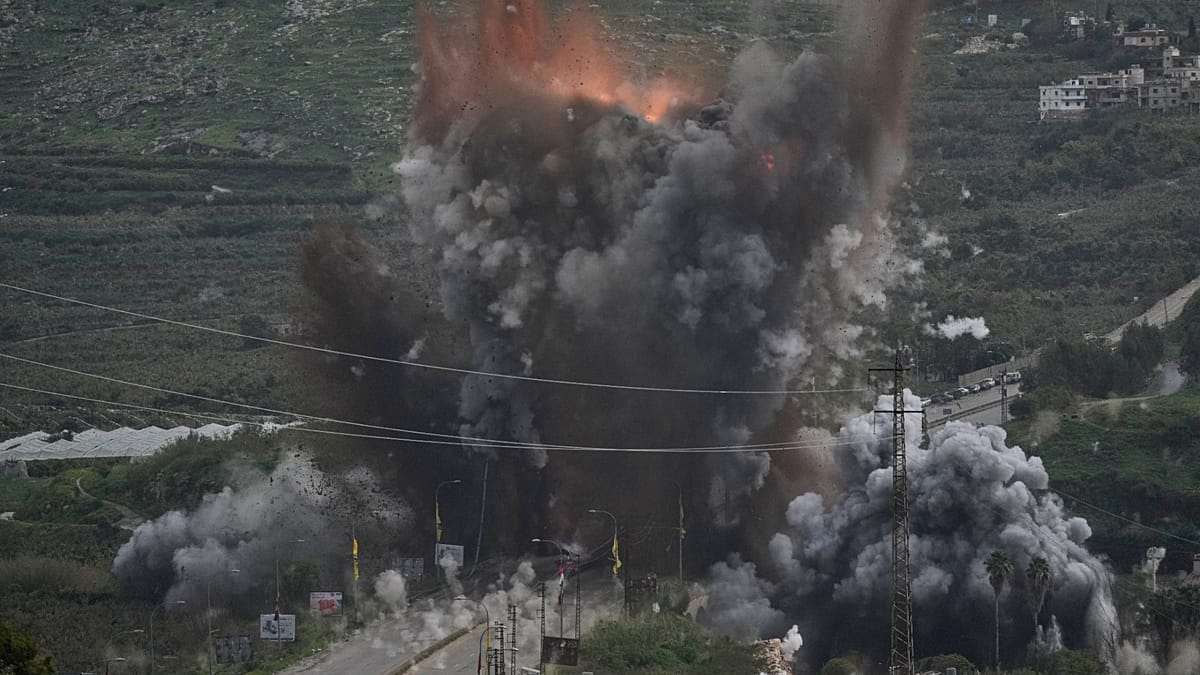
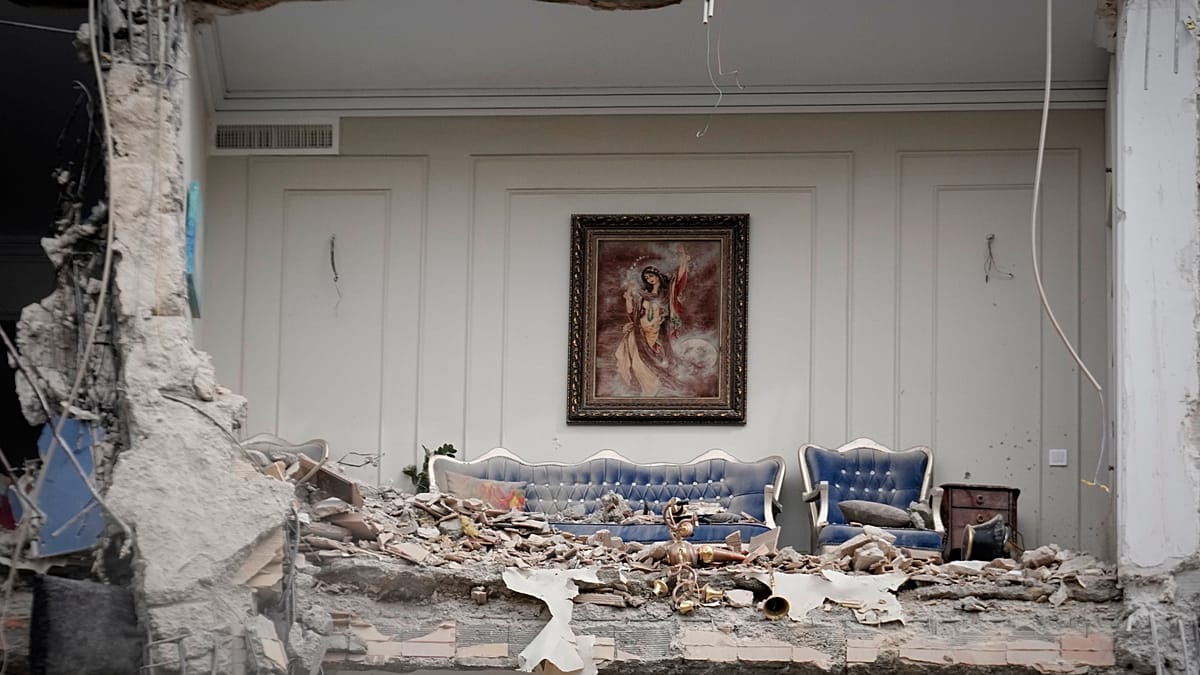
Meanwhile, the Israeli military said it carried out overnight strikes on multiple neighborhoods in Beirut’s southern suburbs early on Tuesday, saying it was targeting Hezbollah infrastructure.
Low-flying jets were heard over the city as the strikes took place, and UN peacekeepers in southern Lebanon reported “intense gunfire and explosions” as Israeli ground forces fought Hezbollah militants.
Lebanese state media said that Israel had carried out seven air raids on south Beirut during the night.
The military had earlier renewed evacuation warnings for several neighborhoods, as tens of thousands of residents had already fled the area.
Large fires and plumes of smoke were seen rising across the southern suburbs following the strikes.
The death toll from the war has risen to more than 1,500 people in Iran, over 1,000 people in Lebanon, 15 in Israel, and 13 U.S. military members, as well as a number of civilians on land and sea in the Gulf region.
Millions of people in Lebanon and Iran have been displaced.
Additional sources • AP, AFP