



Although countries around the world are cracking down on the use of social media for the youngest in society, use of the platforms remains high among young adults.
In 19 of the 27 EU countries, more than 90% of young people aged 16 to 29 said they use social media networks in 2025, according to the latest Eurostat figures.
The highest shares were found in Cyprus, Czechia, Denmark and Finland, while the lowest were registered in Italy, Germany and Luxembourg.
After Australia banned social media for under-16s in December, European nations are now debating their own restrictions.
For instance, MPs in France recently voted to block access for under-15s, with President Emmanuel Macron hoping it will be in force by September.
Slovenia and Portugal have also drafted bills that would prohibit children under-15s and under-16s from accessing social media, respectively.
In Portugal, access limitations will cover social networks such as Instagram, Facebook, or TikTok, but not, for example, WhatsApp, which is used by many parents to communicate with their children.
In addition, at least eight more member states are at different stages of banning social media for children, while Germany’s ruling party has also passed a motion to block access for those under 14.
In contrast, Estonia is the only EU country that openly opposes such a move.
For Tallinn, this approach will not “actually solve the problems” as “kids will find very quickly the ways to go around and to still use social media”, according to the Estonian education minister Kristina Kallas.
A European solution
While a full social media ban for children across the bloc is currently not on the cards, the EU is taking steps to try to boost online safety measures.
European Commission President Ursula von der Leyen announced on 15 April that a European age verification app will soon be available for citizens to use.
“We must protect our children in the online world, just as we do in the offline world. And for that, we need a harmonised European approach,” she said during the second Special Panel on child online safety meeting the following day.
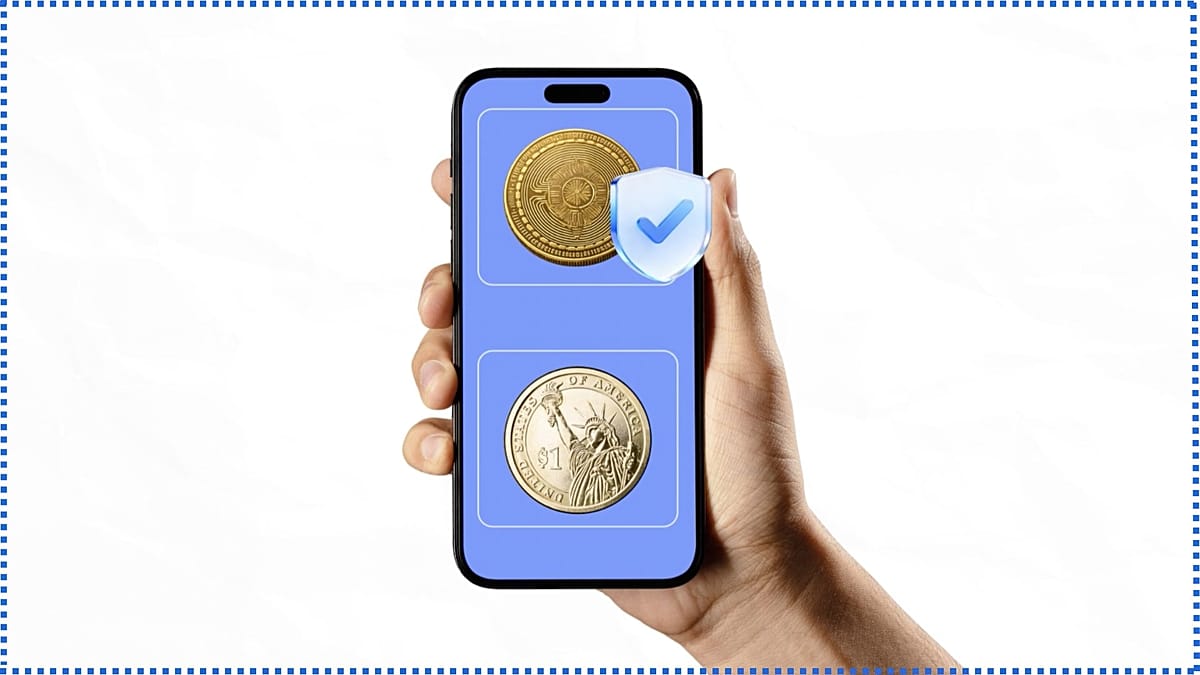
The app, which will be compatible with both mobile devices and computers, will require users to upload their passport or ID card to confirm their age anonymously when accessing online platforms.
The system is based on “zero-knowledge proof”, meaning social media users will be able to verify their age without sharing personal data with the platforms.
Currently, France, Denmark, Greece, Italy, Spain, Cyprus and Ireland are “piloting the development of the app” and plan to integrate it into their national eID wallets, such as France Identité in France.