
Revelations that Hungarian foreign minister Péter Szijjártó regularly briefed Russia on EU affairs before and after key meetings have sent shockwaves through Brussels, highlighting Budapest’s unabashed closeness to Moscow.
For European diplomats consulted by Euronews, the scandal also signals the legal loopholes and weak internal mechanism to avoid leaks, even when it comes to actors recognised by the EU as hostile. Those concerns are growing in European circles as information becomes weaponised.
“Is it shocking? Yes. Is anyone surprised? Not really,” said one EU diplomat in comments to Euronews. The fundamental issue is that “the EU does not have the internal protocols to deal with a rogue member state sabotaging from within,” the diplomat added.
The Washington Post reported over the weekend that Szijjártó was routinely in contact with his Russian counterpart, Sergei Lavrov, during meetings in Brussels, even communicating with him during breaks.
Initially dismissing the claims as “fake news,” Szijjártó later acknowledged that he maintained regular contact with Lavrov, specifying that these meetings occurred “before and after” European Council summits rather than “during.”
He argued that it is “completely normal” and “standard practice” to brief counterparts, since decisions made at the European level influence the EU’s relations with third countries, including Russia. Still, the Hungarian position is an anomaly within the bloc.
Though Szijjártó’s contacts with Russia were not discussed at a gathering of ambassadors in Brussels this week, the real concern has turned to information interception and wiretapping in broader terms by malign actors.
One diplomat familiar with the discussion said there was “little point” in bringing it up as no one expects Hungary to provide any clarity as the country heads into a critical election on April 12, despite calls from the Commission and the top European diplomat Kaja Kallas to do so.
“There is an election, the only question is whether this has any impact in Hungary. For the rest, all capitals assume everything can be leaked and have learned to be cautious,” the diplomat said, adding that the real concern has turned to information interception and wiretapping in broader and far more sophisticated terms.
An intercepted call between a journalist in Brussels and a European Commission spokesperson related to a dispute involving Hungary, Slovakia and Ukraine stressed those concerns. “It won’t get better, so we have to get smarter,” the diplomat said.
‘It’s outrageous yet hardly surprising’
Szijjártó’s revelations pose a problem for the EU across the board, but it is particularly critical in the field of foreign policy, where decisions are made unanimously, meetings follow strict security protocols and there is a shared expectation that the 27 member states operate in good faith, especially on delicate matters related to security.
Hungary is putting that assumption to the test to an extreme degree.
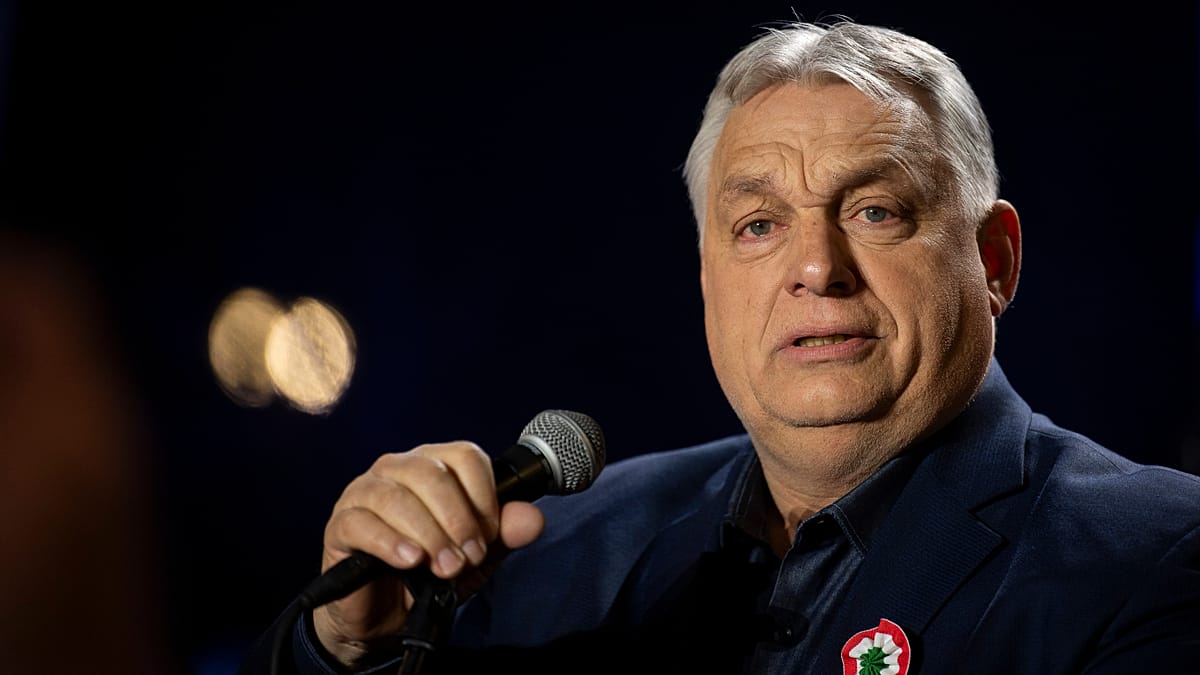
At a summit last week, Council President António Costa, responsible for organising high-level meetings among EU leaders, said Orbán is no longer acting in good faith. That came before the latest allegations pointing to a deeper collaboration with Russia.
“We’ve assumed this could happen for many years, that’s why we’ve had to adapt,” said a second diplomat, citing smaller coalitions of the willing grouping countries that want to work together in more restricted formats. “Hungary won’t be invited any time soon.”
But cutting the Hungarians out formally is far more complex.
So far, the EU’s response has been limited to requesting clarification from Hungary and its foreign minister, who has clashed routinely with his counterparts during foreign affairs meetings. A third diplomat told Euronews that engaging with Szijjártó is “mostly useless,” as Budapest has become deeply entrenched in its talking points.
“A lot of it is performative and there’s always something to get something,” the diplomat added, recalling a meeting held in February where Szijjártó lashed at Kallas over Ukraine.
No clear protocols to address internal threats
Still, the lack of clear rules has prompted calls to rely on political, rather than legal, tools to sideline Hungary from high-level discussions.
That would largely fall on Costa. A strong political message, according to former European Commission President José Manuel Barroso, could be as effective as the legal tools employed by the Commission to curtail member states who break the rules.
Costa insists that he will not allow the European Council to be blackmailed in a warning to Hungary, but no measures have followed. According to Barroso, there should be.
“If the clarification is not sufficient, the President of the European Council can perfectly say: we are now going to meet without Hungary,” Barroso told Euronews, adding that member states are bound by “decency” under the treaties.
Council officials invoke “professional secrecy” and “sincere cooperation” between members, while diplomats acknowledge that ministers and officials often comply with their own national rules about transparency.
“It shows there are holes in the system,” a fourth EU diplomat said. “But the truth is that very few things are confidential here,” he added, pointing especially at the Foreign Affairs Council—where Szijjártó regularly participates—and includes EU ambassadors and advisors.
A council spokesperson said EU countries are bound by the treaties to “not to disclose information of the kind covered by the obligation of professional secrecy,” and emphasizes that this duty continues “even after their official responsibilities have ended.”