


Four-and-a-half years on, representatives for Ukrainian athletes argue that restoring Russian competitors and national symbols normalizes Moscow’s ongoing aggression. “The flag came back, and that is what is important for Russia,” said Dubrova.
Ukrainian Sports Minister Matvii Bidnyi told POLITICO in July that the IOC is “effectively functioning as a pressure release valve” for Russia.
“It is up to each International Federation (IF) as the sole authority for its international competitions, outside of the Olympic Games, to decide on this question [restoring Russian athletes’ participation under the Russian flag, emblem and anthem]. For more, we kindly refer you to the IJF,” the IOC said in comments.
The IOC did not address the question about whether it had ever investigated potential Russian political or financial influence on decision-making within the IJF.
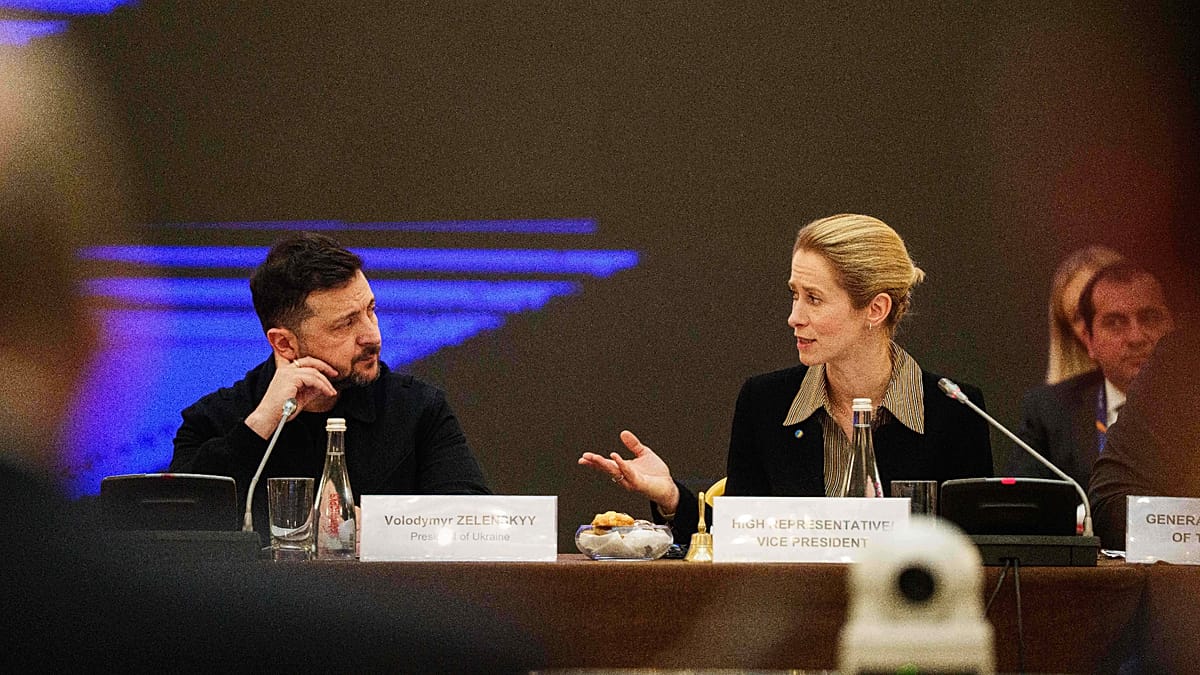
The IOC’s deferred decision on flags, anthems and team colors until an unspecified, later moment, “leaves scope for coordinated EU action to prevent the normalisation and political instrumentalisation of sport while the war of aggression continues,” EU officials noted in the Sept. 16 document.
The EU could press sports federations to keep Russian flags, anthems and officials out of competitions, they wrote, and withhold EU grants from bodies that let Moscow’s teams compete under national colors.
A more striking proposal targets the money around major events: EU countries could review where TV-rights revenue flows and use coordinated pressure to deter broadcasters and sponsors from backing competitions that give Russia a platform, the officials wrote.
The options also include visa restrictions for athletes competing under national colors and efforts to bring “like-minded” countries such as Britain, Norway and Switzerland into a wider coalition against Russian reintegration.