



By Euronews
Published on
Greece has announced its intention to obtain photos that appear to show the final moments of 200 Greeks executed by a Nazi firing squad in Athens during World War II, after the previously unknown pictures surfaced on eBay.
The images reportedly show the men being led to their deaths on 1 May 1944 at a shooting range in the Kaisariani suburb of the Greek capital. Although the executions were well known, there were no known photos or film documentation of the event.
The photographs were put up for sale on eBay over the weekend by a Belgian collector specialising in German military memorabilia.
Greece’s culture ministry said on Monday that “it is very possible that these are authentic photographs,” adding that it will seek to acquire them as historical archives.
The ministry said there were “quite a few legal complications” to lay claim to the pictures. Experts are in touch with the collector who put them up for auction and will visit him in Ghent to examine “the authenticity and legality of origin,” it said.
A ministry committee is due to meet on Wednesday to determine whether to classify the photographs as being part of Greece’s cultural heritage.
The series of pictures shows men being led through a gateway, down a path and lined up in front of a wall.
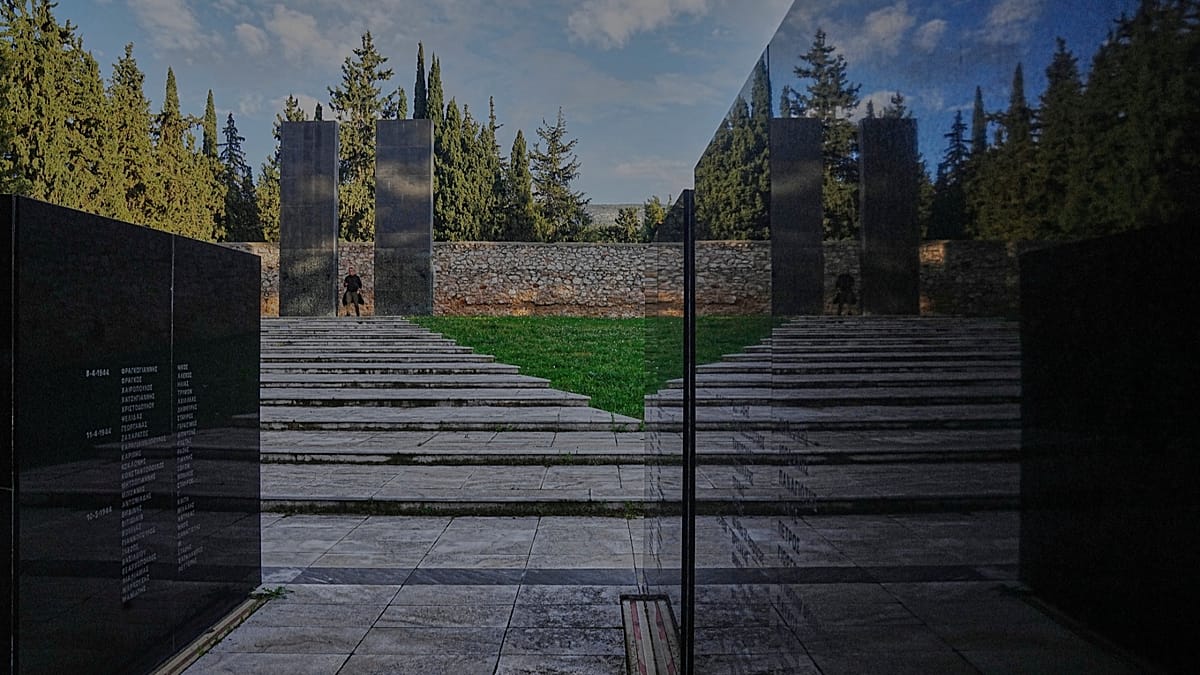
Shortly after the photos were posted for sale on eBay, a memorial at the site to those killed was vandalised, with plaques listing their names smashed.
“Historical memory will not be erased, no matter how much it bothers some people,” Kaisariani municipality said in a statement, adding that it would repair the monument.
The photos, it said, had caused “a chill of emotion for the heroic, valiant stance of the 200 communist heroes who stood up against the firing squad”.
The Kaisariani executions of 200 communist political prisoners were one of the worst atrocities during the Nazi occupation of Greece and remain a seminal moment for the country.
As World War II ended, a vicious civil war between Western-backed government forces and communist fighters broke out in the southern European country and lasted until 1949.
Additional sources • AP