
Canada is set to deepen energy ties with Germany as Europe grapples with a prolonged energy crisis linked to the war in Ukraine — and now escalating conflict in the Middle East.
Canada will sign an agreement with Germany’s SEFE group — Securing Energy for Europe — for supplies from the proposed Ksi Lisims export facility on the coast of British Columbia, AP reported, citing sources familiar with the matter.
The sources spoke on condition of anonymity because they were not authorised to speak ahead of Wednesday’s announcement.
Up to 1 million metric tonnes of liquefied natural gas per year will be exported under the agreement.
The planned exports from Canada would amount to roughly one-eighth of Germany’s LNG imports last year in energy terms. Germany imported 106 terawatt hours of gas through LNG terminals in 2025, according to the Bundesnetzagentur, the country’s federal energy regulator.
SEFE is a major German energy company. It was previously the German subsidiary of Gazprom before Berlin nationalised it in 2022 as Europe struggled with an energy crisis tied to the war in Ukraine.
After European countries backed Ukraine, Russia sharply reduced natural gas supplies, triggering an energy crisis that fuelled inflation and forced some factories to scale back or shut down because of soaring energy prices.
Before the war, Germany was one of the largest importers of Russian gas in Europe.
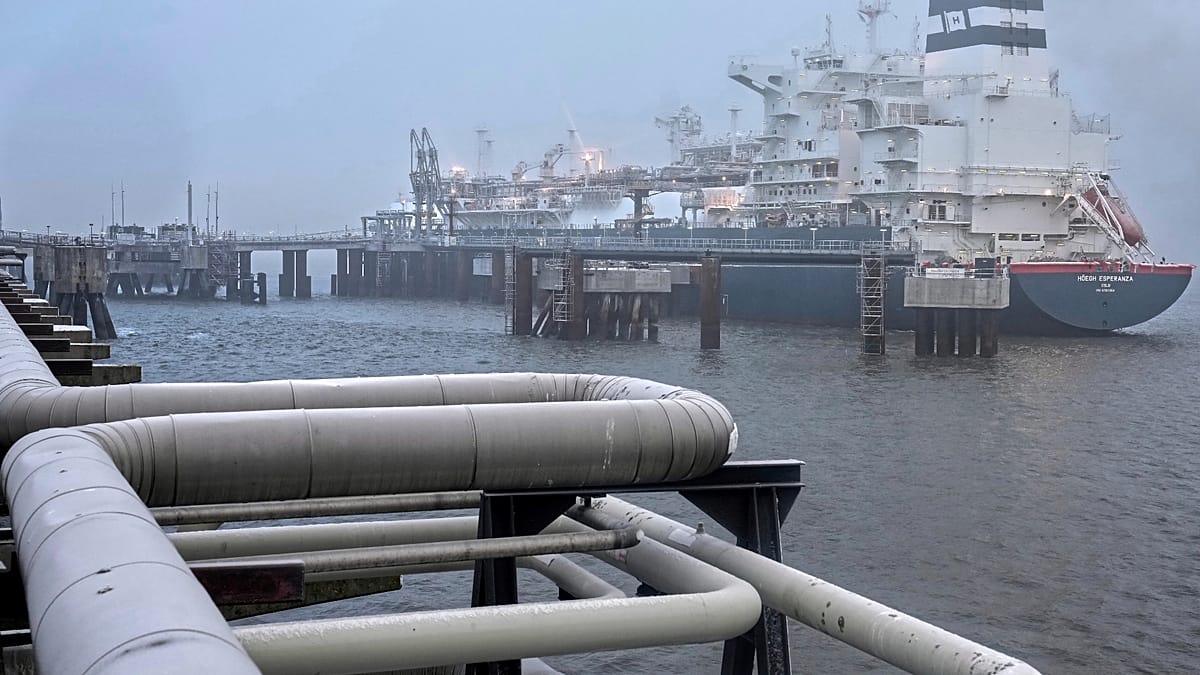
Germany continues to rely on LNG imports as part of its efforts to replace Russian pipeline gas supplies.
Overall, with the Iran war unfolding, concerns are growing that Europe’s largest economy could face renewed energy shocks.
Germany’s economic outlook has weakened sharply amid the conflict and energy market instability. In April, the German government halved its 2026 growth forecast to 0.5% of GDP, citing the impact of energy shocks linked to the war in Iran.
The latest indicators suggest Germany’s economy remained weak in May, with both manufacturing and services under pressure, pointing to continued contraction in the private sector. However, Germany’s ifo Business Climate Index rose unexpectedly during the same month.
Canada looks beyond US market
Canadian Prime Minister Mark Carney has set a target of doubling non-US trade within a decade. Energy-rich Canada currently exports almost all of its oil and gas to the United States.
British Columbia Premier David Eby said earlier on Tuesday that a deal to supply Canadian LNG to Germany would mark a key step towards the partners behind the Ksi Lisims project taking a final investment decision on the CA$10 billion (€6.6 billion) plant and export terminal.
Ksi Lisims, located on Pearse Island near the border with Alaska, has secured the permits it requires, but the consortium has yet to make a final investment decision that would allow construction to begin.
Eby said securing long-term offtake agreements with buyers is a crucial step before the project can move forward.
The partnership has already signed supply agreements with a subsidiary of Shell and France’s TotalEnergies.