


Published on
Germany is offering a €1 million euro reward for information leading to the arrest of suspected far-left militants whose arson attack caused a massive blackout in Berlin earlier this month, the interior minister said on Tuesday.
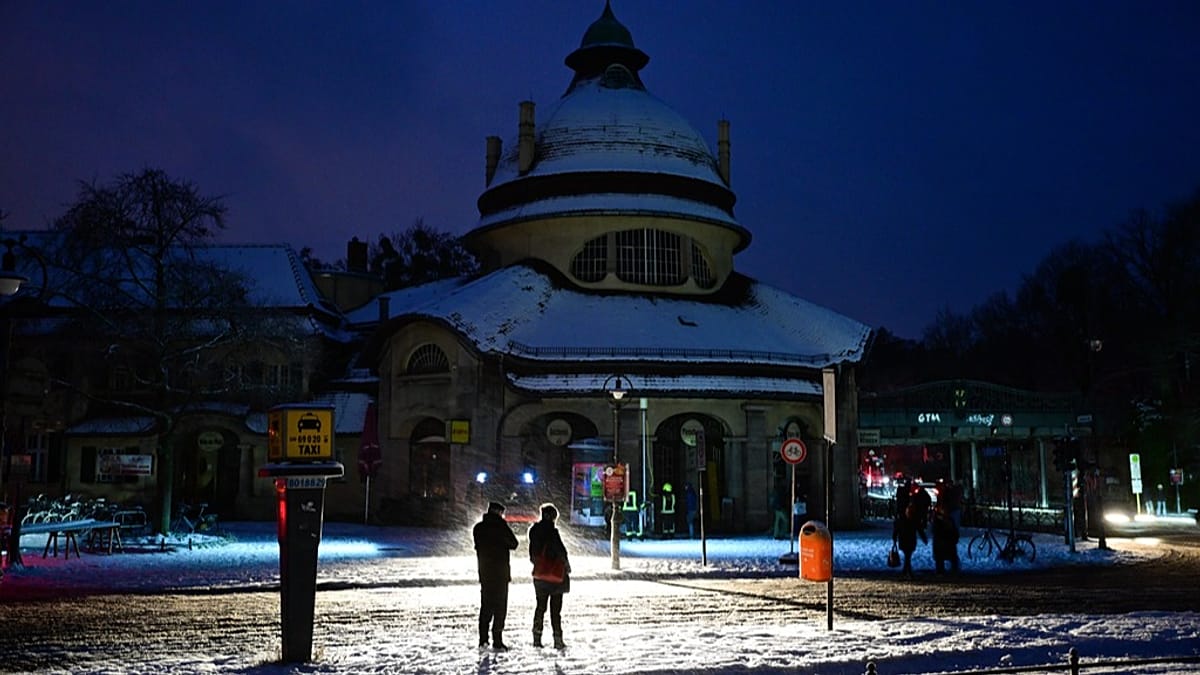
About 45,000 homes and 2,200 businesses were left without power for nearly a week in the middle of winter in the southwest of the German capital. It was the longest blackout in the city since the end of World War II.
German police are searching for members of the far-left “Vulkangruppe” (Volcano Group), which claimed responsibility for the blackout in several online statements. The group said the aim was to strike the fossil fuel industry, not to cause power outages.
Announcing the bounty, German Interior Minister Alexander Dobrindt vowed to “strike back”.
“Our security agencies will be significantly reinforced in the fight against left-wing extremism,” he said. “I think it’s appropriate to underscore the seriousness of the situation with a reward of this magnitude.”
Dobrindt said police would launch a publicity campaign to solicit tips and tout the reward, including leaflets and posters in Berlin’s subway system.
The Self-styled Volcano Group has been active since 2011 and has carried out arson attacks in and around Berlin, according to Germany’s domestic intelligence agency.
The group claimed responsibility for a 2024 arson attack that halted production at Tesla’s Berlin car factory.
Infrastructure security concerns
The outage caused by a fire targeting a set of high-voltage cables starkly revealed gaps in the security of critical infrastructure in the German capital at a time when Berlin is concerned about sabotage attacks coming from Russia.
Berlin officials also came under fire over the speed and scale of their response to the blackout.
For many years, Germany has faced what officials describe as a Russian campaign of sabotage, espionage and disinformation aimed at destabilising the country, a major supplier of military support to Ukraine and a key NATO logistics hub.
Moscow has denied the allegations.
On Tuesday, Dobrindt vowed that the lower house of parliament, the Bundestag, would this week adopt a new law to better protect critical infrastructure.
But the initial draft of the legislation has already faced criticism from some in the energy sector and business community as being too bureaucratic to be effective.
Some have also warned that the legislation risks mandating excessive transparency about vital infrastructure facilities, which could be exploited by malicious actors.
Dobrindt acknowledged that “we already disclose too much public information about our critical infrastructure”.
Additional sources • AFP