



Published on
German economic expectations have fallen to their lowest level in three and a half years, as the Iran war weighs on businesses across Europe.
The ZEW index dropped 16.7 points in April to -17.2, according to a new survey by the Centre for European Economic Research (ZEW), based on responses from 192 analysts polled last week about their outlook for the next six months.
It is the second consecutive monthly decline, following a sharp fall in March.
“Economic expectations are slipping into negative territory,” said ZEW president Achim Wambach.
“The economic consequences of the Iran war for the German economy go far beyond price increases. Businesses are concerned about long-term shortages of energy supply, and this discourages investment and weakens the effect of government stimuli.”
Some industries were hit harder than others.
Expectations dropped sharply in chemicals and pharmaceuticals, and even more in steel and metal production.
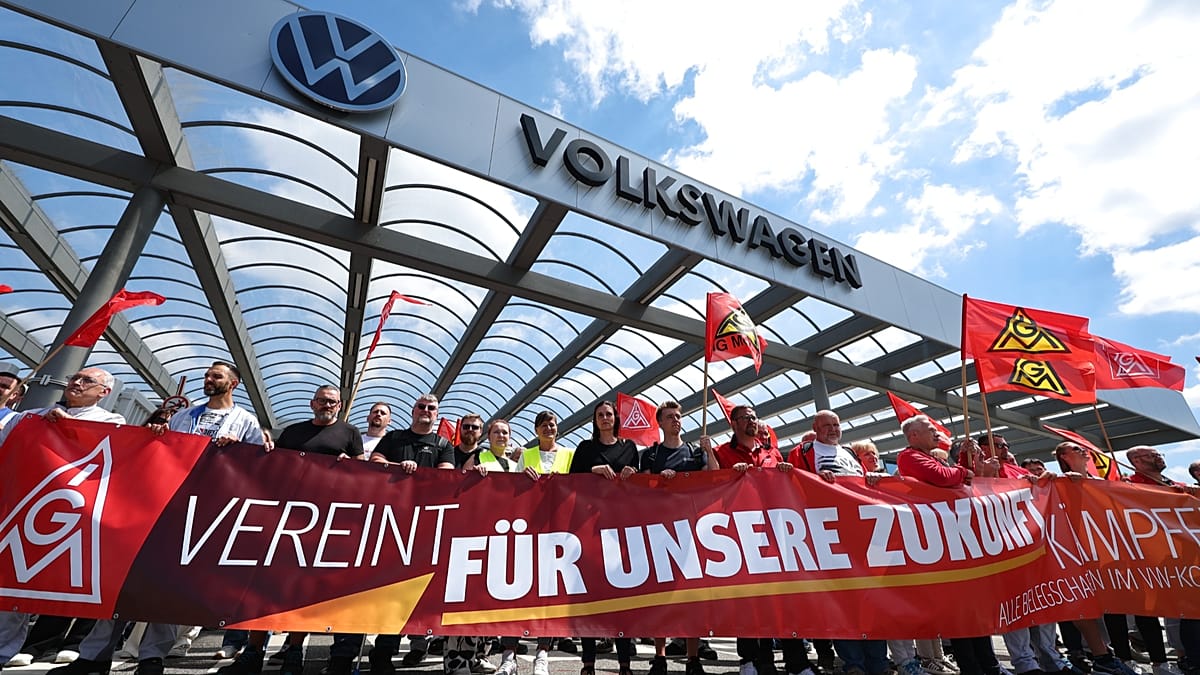
The car sector remained largely stable, but was still deep in the negative territory, while economic expectations for the construction industry have just turned slightly negative.
The prospects of the bank sector, insurance companies, information technologies and utilities increased at the same time, according to the survey.
Across the eurozone, overall economic expectations also declined. The index fell to -20.4 points in April, down 11.9 points from March.
Assessments of the current economic situation also worsened. In the eurozone, the index dropped to -43 points.
In Germany, it fell to -73.7 points, down 10.8 points on the month.