
Close Menu
Daily Guardian EuropeDaily Guardian Europe
  • Home
  • Europe
  • World
  • Politics
  • Business
  • Lifestyle
  • Sports
  • Travel
  • Environment
  • Culture
  • Press Release
  • Trending
What's On

Document reveals EU-US pitch for $800B postwar Ukraine ‘prosperity’ plan – POLITICO

January 23, 2026

Outrage in UK after Trump claims NATO troops avoided Afghanistan front line

January 23, 2026

Diese Maßnahmen im Energiebereich stehen in der Rechenzentrumsstrategie der Bundesregierung – POLITICO

January 23, 2026

NATO and Denmark agree to boost Arctic security after Trump walks back on Greenland threats

January 23, 2026

Trump sues JPMorgan CEO. Who else says ‘left-wing’ banks shut them out?

January 23, 2026
Facebook X (Twitter) Instagram
Web Stories
Facebook X (Twitter) Instagram
Daily Guardian Europe
Newsletter
  • Home
  • Europe
  • World
  • Politics
  • Business
  • Lifestyle
  • Sports
  • Travel
  • Environment
  • Culture
  • Press Release
  • Trending
Daily Guardian EuropeDaily Guardian Europe
Home»Business
Business

FTC presses on with appeal after Meta’s monopoly battle win

By staffJanuary 21, 20263 Mins Read
FTC presses on with appeal after Meta’s monopoly battle win
Share
Facebook Twitter LinkedIn Pinterest Email

By&nbspEuronews&nbspwith&nbspAP

Published on
21/01/2026 – 14:56 GMT+1

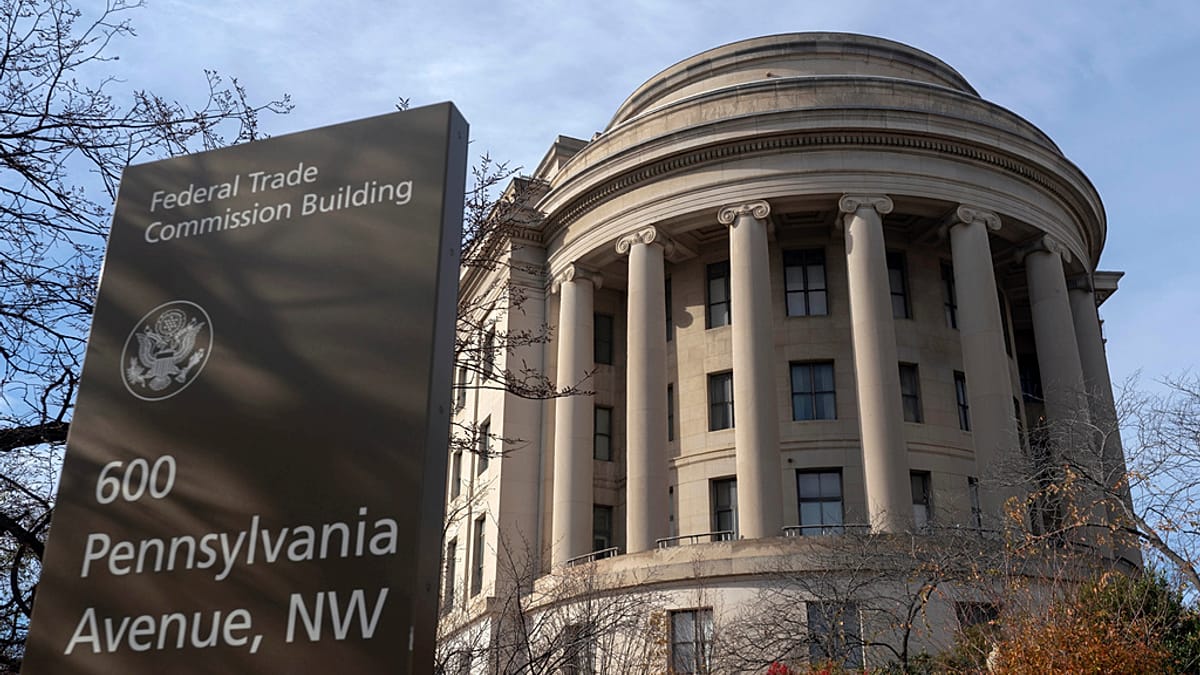
The Federal Trade Commission (FTC) said on Tuesday it will appeal a November court ruling in favour of Meta in its long-running antitrust battle with the social media giant.

The appeal keeps alive a high-stakes legal fight over whether Meta unlawfully maintained monopoly power in social networking by acquiring competitors such as Instagram and WhatsApp.

In a press release, the FTC reiterated its argument that, for more than a decade, Meta has “illegally maintained a monopoly” by buying “the significant competitive threats it identified in Instagram and WhatsApp.”

The regulator insists that these acquisitions harmed competition and consumers by neutralising rivals instead of competing with them on merit.

Meta had won a major victory in November when US District Judge James Boasberg ruled that the FTC had failed to prove Meta currently holds monopoly power in personal social networking services.

The court concluded that platforms like TikTok and YouTube provide real competition, undermining the FTC’s claim that Meta holds an illegal monopoly.

Meta welcomed the decision at the time, asserting that the ruling was “correct” and reflected the “fierce competition” the company faces. It noted that it would remain focused on innovation and investment in the United States.

Major US antitrust case

The FTC’s appeal marks a fresh chapter in one of the most closely watched antitrust disputes involving Big Tech companies or platforms that exercise both major control over technology, social media platforms, or tech-adjacent services.

The case began in December 2020, when the FTC — joined by 46 US states — filed suit against Meta, formerly Facebook, under Section 2 of the Sherman Act, alleging that its acquisitions of Instagram in 2012 and WhatsApp in 2014 were part of an anticompetitive “buy-or-bury” strategy.

The original complaint was dismissed in June 2021 but was revived in amended form later that year and ultimately survived pre-trial motions, leading to a full bench trial in 2025, during which CEO Mark Zuckerberg testified.

Judge Boasberg’s November 2025 decision was a setback for regulators seeking to use antitrust law to roll back past tech mergers — an effort that has also surfaced in cases against other major firms.

For example, US courts have branded Google an illegal monopoly in separate antitrust suits over search and online advertising, although courts have typically been reluctant to order structural breakups.

Internationally, antitrust authorities have also pursued parallel scrutiny of Meta’s behaviour.

In the EU, the Digital Markets Act (DMA) imposes obligations on gatekeepers to give consumers choices about data sharing and interoperability — rules that have put pressure on Meta’s data integration practices across its platforms, particularly for EU users.

The appeal now moves to the US Court of Appeals for the District of Columbia, where a new judge will reconsider whether the FTC’s evidence and legal theories are sufficient to overturn the lower court’s dismissal.

Share. Facebook Twitter Pinterest LinkedIn Tumblr Email

Keep Reading

Trump sues JPMorgan CEO. Who else says ‘left-wing’ banks shut them out?

Uzbekistan sees lower shadow economy share as cashless payments rise

What would happen if Iran returned to the global trade order?

Markets rally and safe havens fall as Trump touts Greenland deal

Oil vs. rare earths: Which will shape the global economy’s future?

Has Trump really ‘defeated’ US inflation, as he claimed in Davos?

Azerbaijan strengthens investment ties with Brookfield, BlackRock, GIP

Uzbekistan develops new rail links to strengthen Eurasian transit role

Netflix earnings beat estimates but subscriber growth risks linger

Editors Picks

Outrage in UK after Trump claims NATO troops avoided Afghanistan front line

January 23, 2026

Diese Maßnahmen im Energiebereich stehen in der Rechenzentrumsstrategie der Bundesregierung – POLITICO

January 23, 2026

NATO and Denmark agree to boost Arctic security after Trump walks back on Greenland threats

January 23, 2026

Trump sues JPMorgan CEO. Who else says ‘left-wing’ banks shut them out?

January 23, 2026

Subscribe to News

Get the latest Europe and world news and updates directly to your inbox.

Latest News

Scotland protects more than a third of its seas. Why is trawling still allowed?

January 23, 2026

French government survives no-confidence votes over budget – POLITICO

January 23, 2026

South Korea imposes travel bans on three civilians over alleged drone flights into North Korea

January 23, 2026
Facebook X (Twitter) Pinterest TikTok Instagram
© 2026 Daily Guardian Europe. All Rights Reserved.
  • Privacy Policy
  • Terms
  • Advertise
  • Contact

Type above and press Enter to search. Press Esc to cancel.