
Published on
Ten years ago, Venezuela secretly shipped gold worth almost 4.7 billion Swiss francs (€5.05bn) from the South American country’s reserves with the intention of melting it down and selling it internationally.
Over a period of five years, Venezuela airlifted 127 tonnes of gold to Switzerland, which was later traced by Swiss customs who register and report all imports and exports to the country.
Switzerland is a leading international hub for gold and by value, has been the largest importer and exporter of gold in the world, with Swiss customs data showing huge inflows and outflows in recent years.
Crucially for a country like Venezuela trying to monetise bullion from its Central Bank gold reserves, Switzerland hosts some of the world’s biggest refineries. These include Valcambi, PAMP, and Argor-Heraeus, largely clustered in the canton of Ticino.
Refineries can melt and recast metals into the highest standard of internationally tradable formats or “Good Delivery” bars and provide the paperwork and certification that makes the gold easier to move and sell across global markets
The Swiss government did not previously publish data on Venezuela’s gold transfer, in line with the federation’s legacy of maximum financial discretion, which continues to make it appealing to both leading businessmen as well as autocratically inclined leaders looking for somewhere to store or liquidate their assets.
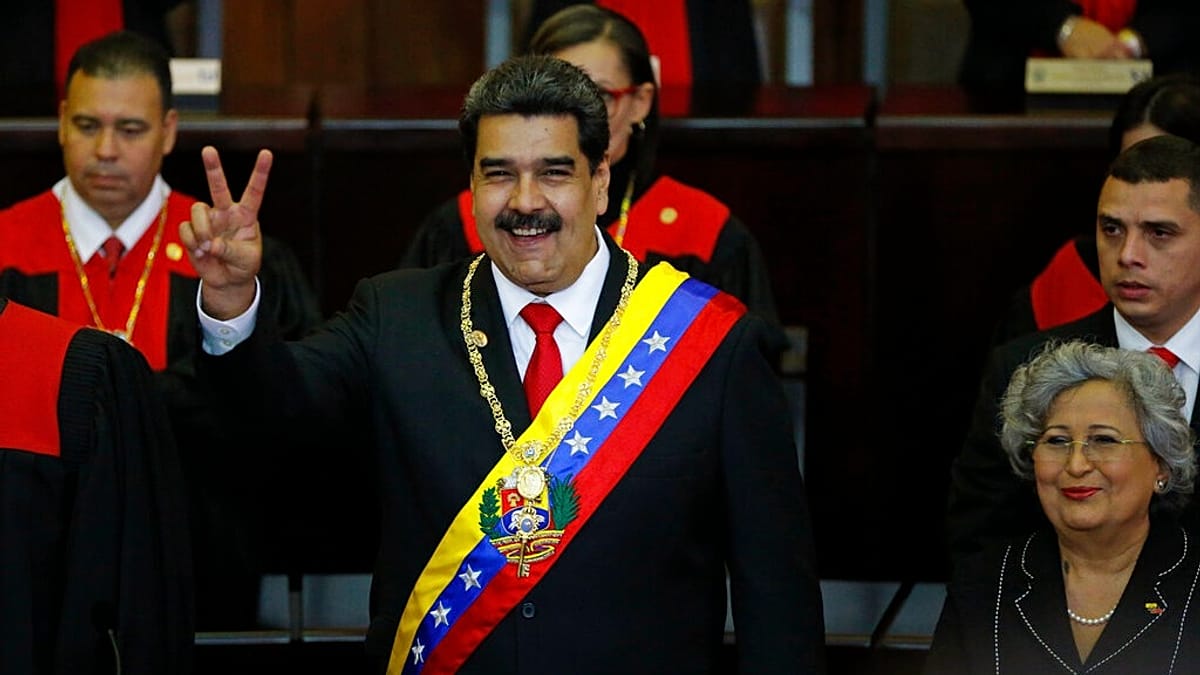
Swiss public broadcaster SRF said Maduro’s government shipped gold abroad as an “act of desperation” to avert state bankruptcy, selling part of the bullion and using some as collateral for loans and the refinancing of its debt.
By the time Venezuela slid into default in 2017, the country was already effectively shut out of normal refinancing and running out of usable hard currency.
A 2017 policy paper by the Center for International Governance Innovation (CIGI) estimated a financing gap of more than $15bn (€12.84bn) that year, with bonded debt service around $12bn (€10.27bn), rising to nearly $20bn (€17.1bn) if payments linked to China are included.
Venezuela had a “substantial financing gap” and “little in the way of assets or policy options to close it”, according to the CIGI reports published around the time Maduro was airlifting gold to Switzerland.
Oil export receipts, which were and continue to be the state’s main source of dollars, had collapsed, with CIGI stating that “export revenue is woefully inadequate to meet this year’s bonded debt service”.
According to SRF, after remelting, some of the Venezuelan gold was likely transported to other countries such as Great Britain, also a key international gold trading hub, and Venezuela sold a large amount of the gold to Turkey.
At the time, the imports to Switzerland did not violate any sanctions. However, such transactions would now be highly unlikely since the Federal Council tightened regulations on financial transactions in 2018 after the major sanctions against Venezuela came into place, aligning itself with EU measures.
So the attempt to prevent sovereign default by transferring gold reserves abroad largely failed. As early as 2017, Venezuela was unable to meet its obligations and could neither repay the debts nor pay the corresponding interest.
The country’s current foreign debt is estimated at up to $170 billion (€145.4bn), which equals twice the country’s annual economic output, making it effectively bankrupt.