



Europe is in the middle of another summer heatwave. That is part of the reason the coming winter is shaping up to be an expensive one.
Record temperatures are pushing up electricity demand while drought and heat are curbing hydro and nuclear generation. That is forcing gas-fired power stations to fill part of the gap just as Europe should be putting more gas into storage.
That pressure is already showing up in wholesale gas prices.
Dutch TTF futures, Europe’s main gas benchmark, have climbed roughly 120% since the start of 2026, reaching about €63.7 per megawatt-hour on August 18.
Gas prices remain well below the €350/MWh peak reached during the 2022 energy crisis triggered by Russia’s invasion of Ukraine. But Europe is heading into winter with inventories depleted and little room for another supply shock.
The biggest wildcard is now the weather: a variable that can’t be controlled.
Why European gas prices are rising again
The rally has accelerated at precisely the wrong time.
Europe normally spends the summer rebuilding gas inventories before households begin drawing them down for heating.
This year, that refill has collided with a series of disruptions.
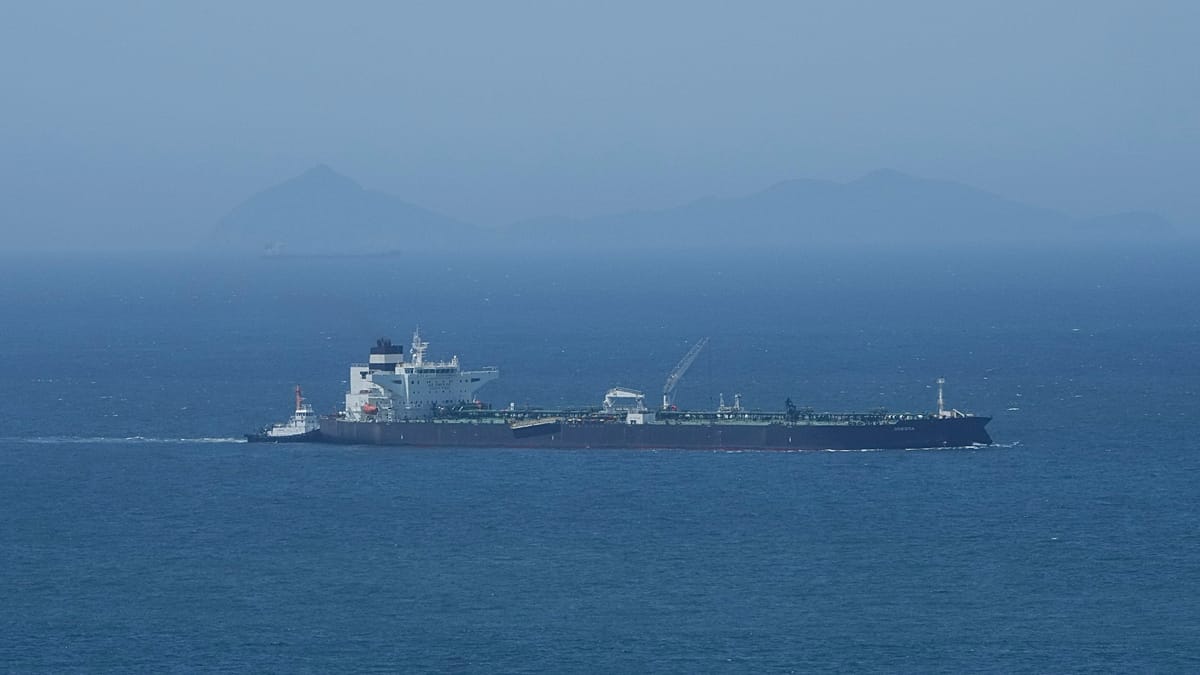
The Strait of Hormuz remains effectively closed, Norway has extended outages at gas fields, and drought has reduced hydroelectric and nuclear generation.
Gas-fired power stations have been filling part of that gap as electricity demand rises during the heatwave, increasing demand for the same fuel Europe needs to store for winter.
The result is a market with little slack.
“Several adverse supply-side risks have materialised, and gas storage levels are historically low ahead of the heating season,” Daniel Kral, economist at Oxford Economics said in a recent note.
The firm expects to raise its European gas price forecast in September, potentially to an average close to €60/MWh during the fourth quarter of 2026 and first quarter of 2027, from €45/MWh currently.
Europe has become more resilient, but not weather-proof
Europe has cut gas consumption by roughly 15%–20% compared with 2021. Industry has reduced gas use, renewables have expanded and heat pumps have replaced some gas-fired heating.
Global LNG supply has also increased. Europe has more import terminals and can attract cargoes when prices rise. That makes an outright physical shortage far less likely than it was during the 2021-2022 crisis.
But lower consumption does not remove Europe’s biggest vulnerability.
Oxford Economics says the relationship between temperature and gas demand remains almost perfect. Last winter, when temperatures briefly fell below the long-term average, Europe’s gas savings versus pre-2021 levels narrowed to only 5%–10%.
Europe has reduced its normal gas requirement. It has not eliminated its dependence on gas when winter becomes unusually cold.
That is why storage is so important.
Storage is the buffer between a normal winter and a supply shock.
When inventories are high, traders can absorb a cold snap without bidding aggressively for new cargoes. When inventories are low, every colder-than-expected week becomes a race for supply.
The number that matters
European gas storage was only around 57% full at the beginning of August.
Gas Infrastructure Europe data showed the level at 57.1% on August 1, the lowest reading for that point in the year in the historical series.
The EU’s rules still target 90% storage, although countries now have more flexibility over when they reach it. The target can be met between October 1 and December 1, while difficult market conditions allow additional flexibility.
Brussels has also encouraged countries to consider using that flexibility to reduce the target to 80% when market conditions make filling more difficult.
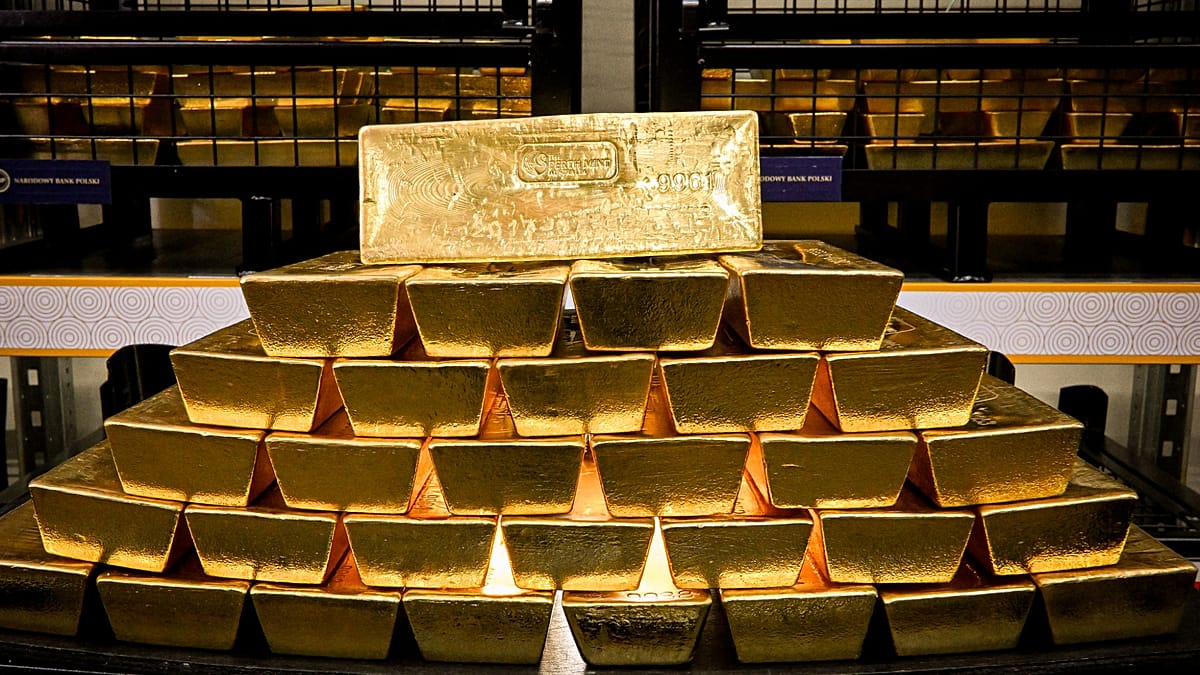
Storage is Europe’s energy larder.
Gas could become an ECB problem
This is where the gas rally stops being just an energy story.
It becomes an inflation story and subsequently a problem for the European Central Bank (ECB).
Wholesale gas prices move faster than household bills because utilities often hedge purchases months in advance. Oxford Economics estimates the average pass-through from wholesale prices to consumer prices peaks around six months after the initial move.
But the protection weakens if prices remain elevated. As contracts expire and utilities renew them, retail prices gradually move closer to wholesale levels.
The impact will also vary sharply across Europe.
Germany and Austria tend to have longer fixed-price contracts, slowing the transmission. France, Italy and Spain respond faster. In the Netherlands, the pass-through is almost immediate.
Italy stands out because it combines relatively fast price transmission with heavy reliance on gas. Oxford Economics therefore identifies Italy as the most exposed large European economy to a gas price shock.
That makes the gas rally more than a commodity story. It is potentially a monetary-policy story.
Oxford Economics estimates that eurozone headline inflation could run closer to 3.5% in the second half of 2026 under current wholesale gas pricing, versus just above 3% in its latest baseline.
The ECB has already raised rates in response to an energy-driven inflation shock.
Markets widely expect another 25-basis-point hike in September.
The ECB’s own June projections already showed headline inflation remaining elevated because of higher energy prices, with inflation expected to reach 3.4% in the third and fourth quarters of 2026.
A colder winter could therefore create an uncomfortable combination: weaker household purchasing power and higher interest rates.