
Close Menu
Daily Guardian EuropeDaily Guardian Europe
  • Home
  • Europe
  • World
  • Politics
  • Business
  • Lifestyle
  • Sports
  • Travel
  • Environment
  • Culture
  • Press Release
  • Trending
What's On

How Davos went MAGA – POLITICO

January 19, 2026

A wakeup call for Davos leaders – POLITICO

January 19, 2026

Trump’s compromise peace in Ukraine is a strategic opportunity for Europe – POLITICO

January 19, 2026

Macron to urge EU to use trade ‘bazooka’ in response to Trump’s tariffs – POLITICO

January 19, 2026

Video. Train collision in Spain kills at least 21, injures dozens

January 19, 2026
Facebook X (Twitter) Instagram
Web Stories
Facebook X (Twitter) Instagram
Daily Guardian Europe
Newsletter
  • Home
  • Europe
  • World
  • Politics
  • Business
  • Lifestyle
  • Sports
  • Travel
  • Environment
  • Culture
  • Press Release
  • Trending
Daily Guardian EuropeDaily Guardian Europe
Home»Europe
Europe

European men in their 30s most at risk of alcohol-related fatal injuries

By staffJanuary 14, 20263 Mins Read
European men in their 30s most at risk of alcohol-related fatal injuries
Share
Facebook Twitter LinkedIn Pinterest Email
By&nbspAlessio Dell’Anna&nbsp&&nbspDamaso Jaivenois

Published on 14/01/2026 – 16:15 GMT+1
•Updated
16:32

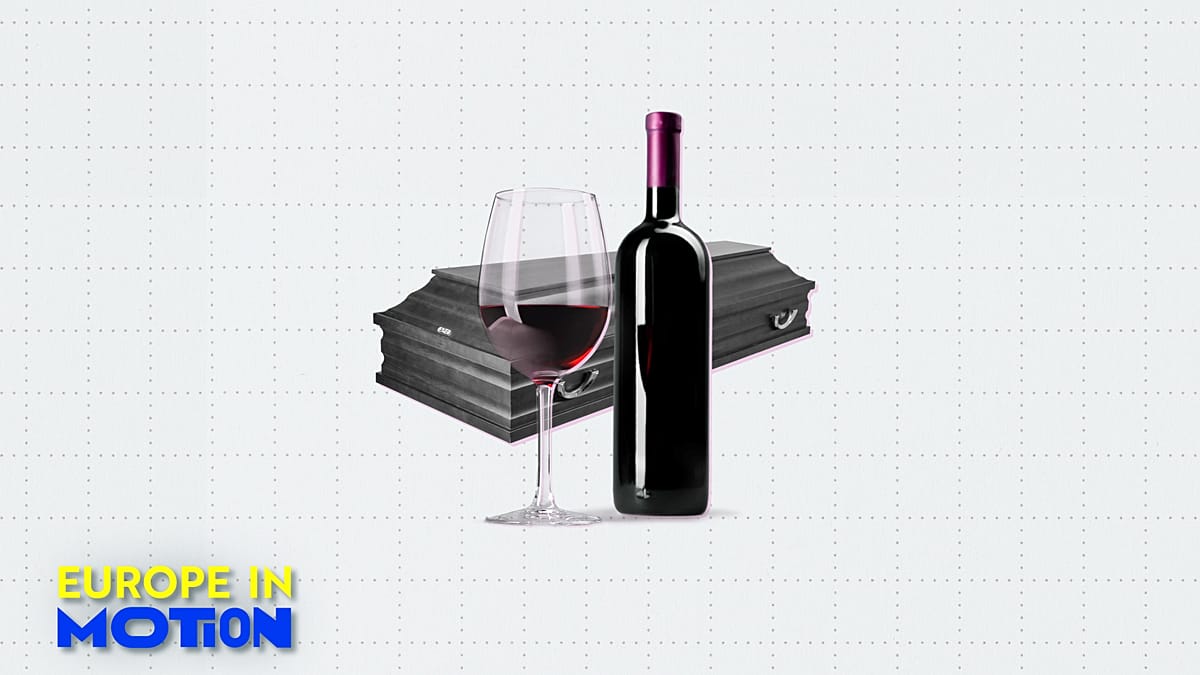
Alcohol is behind 31% of deaths from injury and violence in Europe, according to a new report by the World Health Organization (WHO).

The organisation says the continent drinks more than any other region in the world, with a human cost amounting to 145,000 people

The number one cause of death is not an accidental one: self-harm is the biggest killer, leading to 44,000 alcohol-related fatal injuries in 2019 alone, with 83% of cases being among men.

Road accidents fuelled by alcohol are next, with 24,000 deaths, followed by alcohol-related falls, which took 20,000 lives.

In general, people aged 35 to 39 are the most vulnerable, while, gender-wise, prevalence is higher among men (36.5%) than women (19.4%).

“Men account for most alcohol-attributable injury deaths because they drink more frequently, consume larger quantities and are more likely to have alcohol use disorder”, says the organisation.

What are the most affected countries in Europe?

Although drinking levels have been falling since the early 2000s, the WHO says that there are still significant differences in drinking patterns across Europe.

For example, compared with under 20% in much of western and southern Europe, deaths attributable to alcohol in eastern European countries exceed 60% of all those linked to injury and violence.

Latvia, Lithuania and Russia, in particular, stand out with some of the highest alcohol-related fatal injuries, with around 23 cases per 100,000 people.

At the same time, countries like Azerbaijan, Tajikistan and Turkey reported some of the lowest rates, often less than 2.9 per 100,000.

However, some countermeasures are being taken.

Lithuania, for example, is the only Baltic nation to have banned alcohol sales to anyone under 20.

Sales before 10:00 am or after 8:00 pm (3:00 pm on Sunday) are also forbidden, while alcohol-restricting rules affect marketing too, with a total ban on alcohol advertising, including on imported magazines.

The WHO said in the report that “evidence-based measures such as raising excise taxes, reducing the availability of retailed alcohol, limiting marketing, strengthening drink–driving measures, and expanding screening and brief interventions can significantly reduce alcohol-attributable harm and prevent avoidable deaths.”

How much have alcohol drinking levels dropped?

According to the organisation, in the past two decades, drinking levels dropped substantially.

In the broader WHO Europe region — which also includes the former USSR bloc — the average yearly alcohol consumption fell from 11.1 litres in 2000 to 9.1 in 2022, an 18% drop, also “accompanied by notable decreases in heavy episodic drinking among both men and women”.

However, according to the OECD, most EU countries still have recorded consumption above this average, with Romania, Portugal and Latvia topping the table.

Greece, Finland, Sweden, Belgium, the Netherlands and Italy were the only ones below 9.1 litres.

Share. Facebook Twitter Pinterest LinkedIn Tumblr Email

Keep Reading

What is the EU’s anti-coercion instrument, and how does it work?

Watch: What actually happens during the World Economic Forum in Davos?

EU vows coordinated response to Trump’s tariffs threat over Greenland sale

Thousands take part in ‘Hands off Greenland’ protests in Denmark

Migrant returns: Which EU countries are increasing repatriations?

Fact check: Is Ursula von der Leyen ‘auto-increasing’ her own salary?

Slovakia’s Fico to meet Trump in Florida on Saturday with nuclear plant deal in focus

Newsletter: Inside the EU’s proposal for fresh sanctions on Iran

EU will maintain Arctic cooperation with US, von der Leyen says amid Greenland tensions

Editors Picks

A wakeup call for Davos leaders – POLITICO

January 19, 2026

Trump’s compromise peace in Ukraine is a strategic opportunity for Europe – POLITICO

January 19, 2026

Macron to urge EU to use trade ‘bazooka’ in response to Trump’s tariffs – POLITICO

January 19, 2026

Video. Train collision in Spain kills at least 21, injures dozens

January 19, 2026

Subscribe to News

Get the latest Europe and world news and updates directly to your inbox.

Latest News

EU explores €93B Trump tariff retaliation over Greenland threats – POLITICO

January 18, 2026

Center left wins Portugal presidential election first round, exit poll says – POLITICO

January 18, 2026

EU to hold emergency leaders’ summit over Trump’s Greenland threats – POLITICO

January 18, 2026
Facebook X (Twitter) Pinterest TikTok Instagram
© 2026 Daily Guardian Europe. All Rights Reserved.
  • Privacy Policy
  • Terms
  • Advertise
  • Contact

Type above and press Enter to search. Press Esc to cancel.