






Asian members — hit hardest thanks to their heavy exposure to the Persian Gulf — and the U.S. are also strongly supportive of tapping the reserves, according to two European officials familiar with the matter.
French President Emmanuel has convened a virtual meeting of G7 leaders at 3 p.m., which is expected to address the release decision.
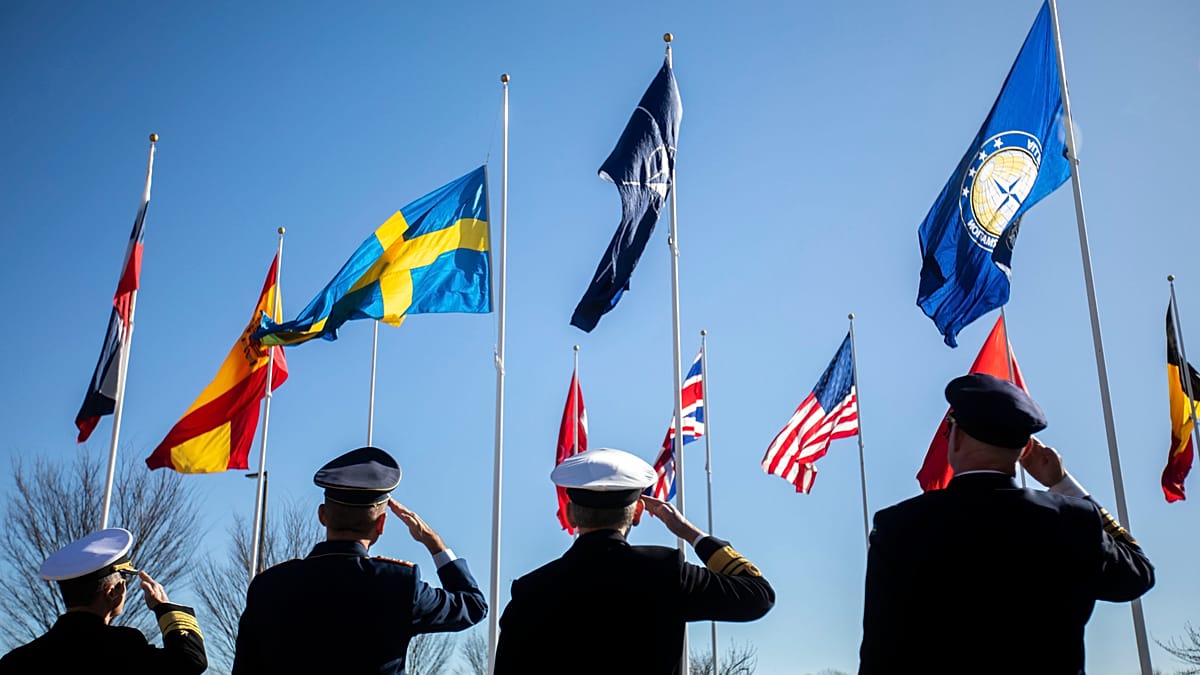
The IEA — a key venue for wealthy countries to coordinate oil and gas supplies set up after the 1973 oil embargo — first proposed the measure late Tuesday during an extraordinary all-members meeting that followed a gathering of the G7, according to another person familiar with the matter.
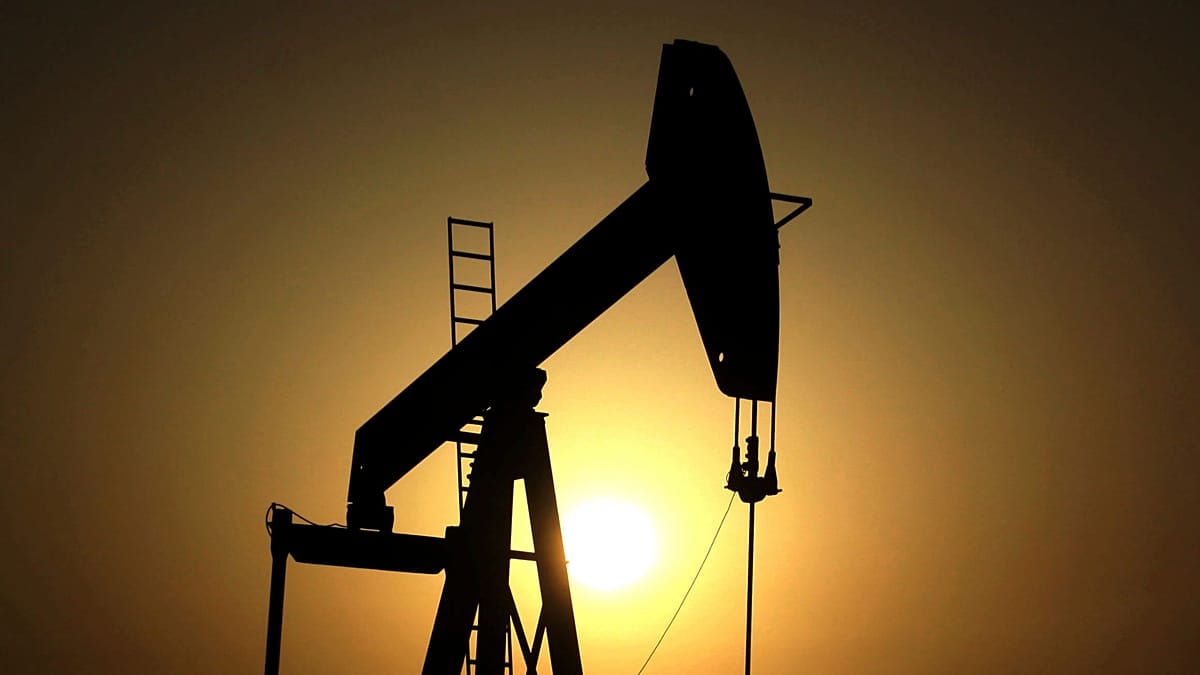
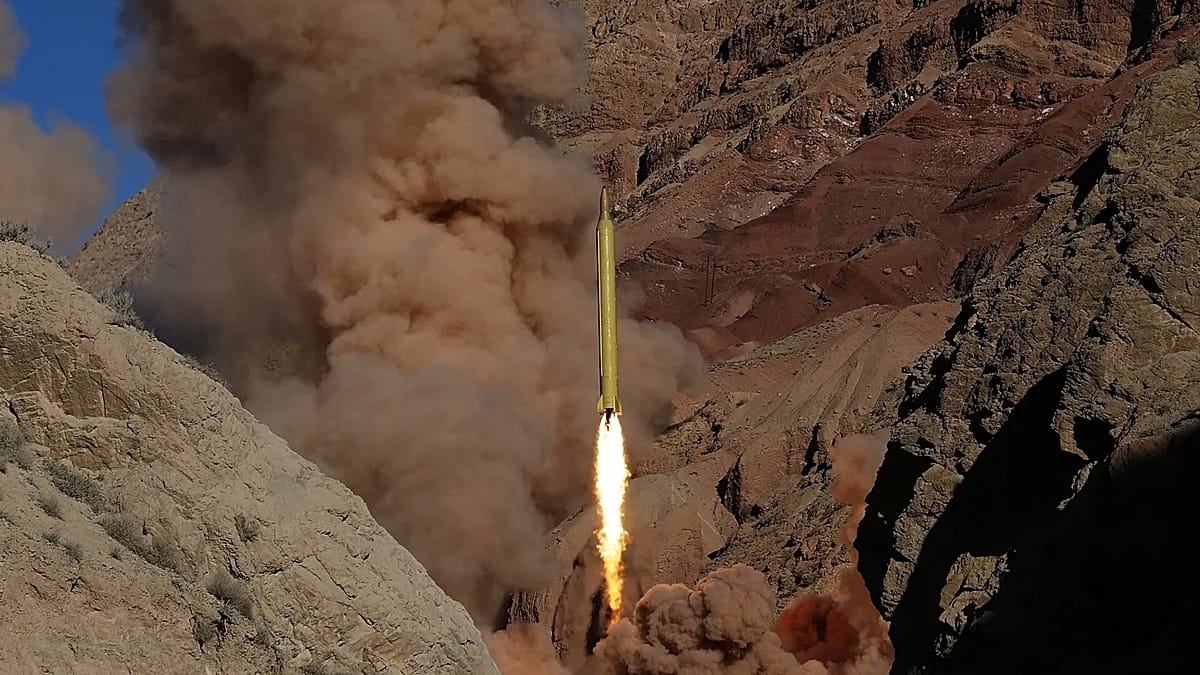
Oil soared to over $100 a barrel over the past week as Iran struck energy infrastructure across the Persian Gulf in response to U.S.-Israeli airstrikes across Iran. It retreated to around $90 a barrel on early reports that the IEA had proposed tapping reserves.
The U.S. is among the biggest supporters of releasing the barrels, with rising oil prices a major concern for U.S. President Donald Trump ahead of mid-term elections this year. While the big European G7 countries have indicated support for the measure, it’s not clear the extent to which they will contribute. The group issued a statement early Wednesday saying it supported it “in principle.”
Other IEA countries have publicly supported measure, including Austria.


