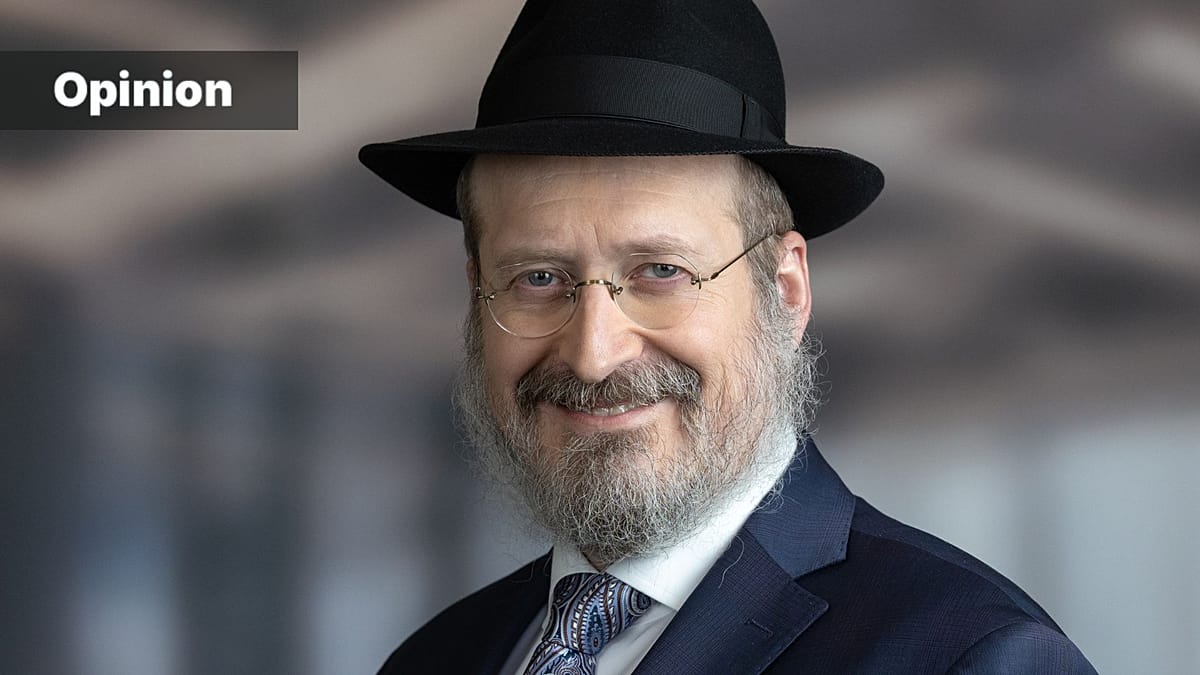


By Danial Ilkhanipour, member of the Hamburg Parliament for SPD
Published on
The opinions expressed in this article are those of the author and do not represent in any way the editorial position of Euronews.
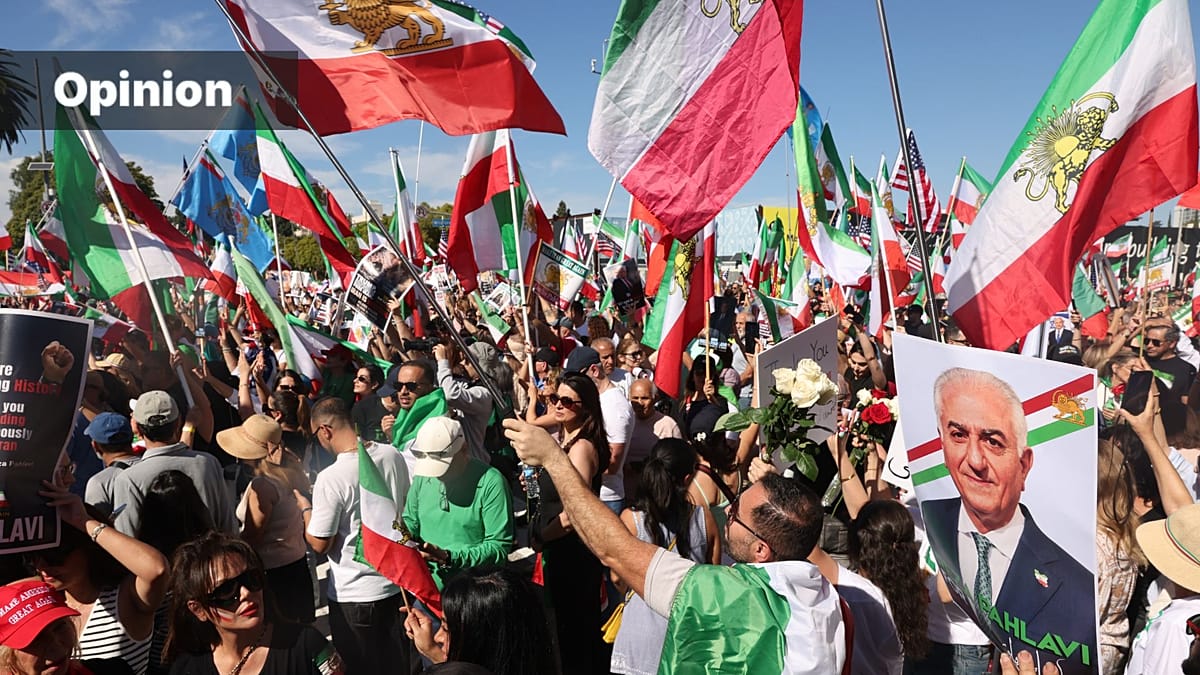
It is war. Yet the scenes of celebration among Iranians in exile – and even inside Iran – have unsettled many observers in Europe.
But this is not the moment to lecture Iranians with shallow analysis or ideologically tinged – and often dangerously ill-informed – commentary.
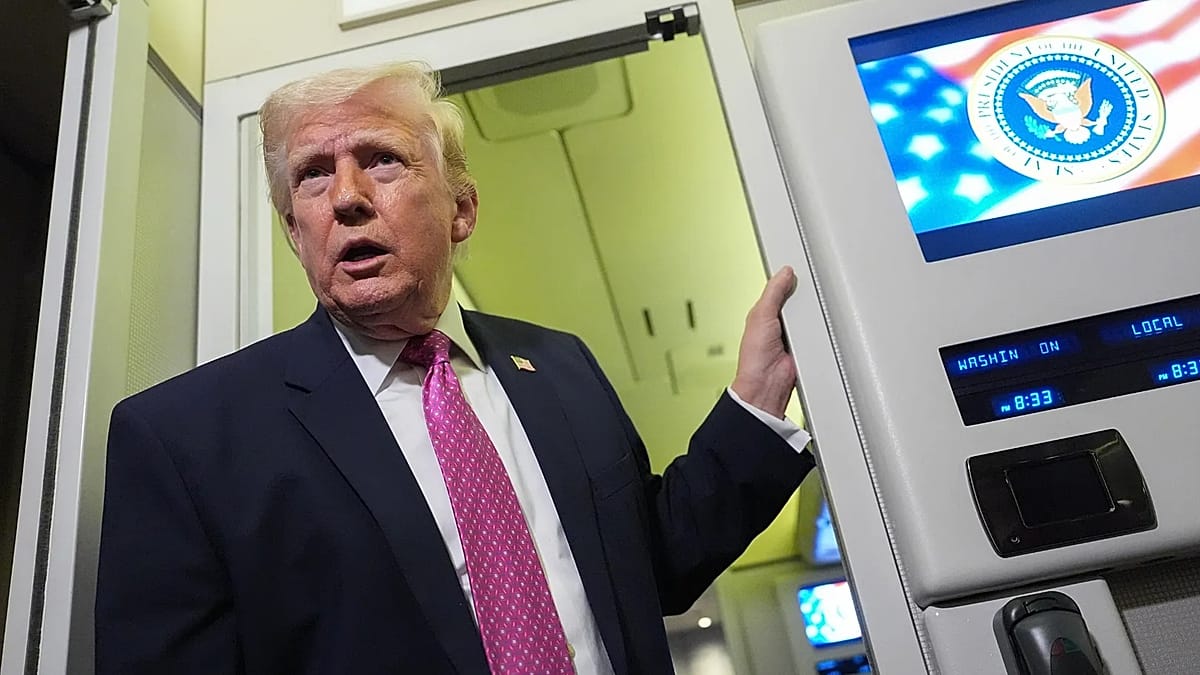
Iranians are not naïve. They know perfectly well that US President Donald Trump is acting out of strategic interest, not altruism.
They also understand that war – however precise the targets may be – always harms innocent people. It is not that they are unafraid.
But their despair runs deeper. And so does their hope – perhaps the only thing many people in Iran still have left.
More afraid of a deal than of war
Never before has freedom seemed so close. For the first time, there is a real chance of getting rid of this deeply hated regime.
And unlike many commentators who reflexively fall back on the usual repertoire of political phrases about war, peace and negotiations, Iranians themselves often assess the situation most realistically.
The last protests ended in a massacre of the regime’s own population on a scale rarely seen in Iran’s recent history.
Executions, rape, repression and the continued destabilisation of the region have since become part of everyday life. Many Iranians believe that if the regime is artificially kept alive through a deal, it will only lead to more deaths and more suffering.
Someone wrote a week ago: “We may be the only nation that fears a deal more than a war.”
How great must the suffering and desperation be to reach such a conclusion? Seen in this context, the reactions of Iranians – both inside the country and in exile – may be easier to understand.
And indeed, there is now a real chance of a better life for millions of people. For that to happen, however, the West must not repeat the mistakes of recent years or stop halfway.
Khamenei is dead – but a deal with the regime’s second or third tier of power, or with so-called reformers who no longer have any credibility among the population, would be a betrayal of the Iranian people and would only postpone the West’s problems.
The historic opportunity of a free Iran
As has happened so often in the past, when the West acted short-sightedly. What Iranians want is a genuine revolution leading to a real democracy – with values not so different from our own.
And a free, democratic Iran would not only benefit the people of the country itself. It would also be a major opportunity for the West.
The stabilisation of the region through the disappearance of the financial backers of Hamas, Hezbollah and the Houthis would have significant positive effects, from reducing the causes of migration to securing trade routes.
A free Iranian economy, driven by a demographically dynamic and well-educated population, would also have an impact far beyond the country itself.
Iran’s natural wealth, combined with decades of underinvestment, could produce effects comparable to West Germany’s economic miracle of the 1950s – without the need for a Marshall Plan. A win-win opportunity for the Iranian people and for the West.
Europe, however, must finally start doing its homework. Alongside the military weakening of the regime, the current strategy appears to rely on an internal implosion of the system.
Already there are signs of defections within the security forces – no one wants to be the last person on a sinking ship. Europe could play a key role here.
Iran’s turning point – and Europe’s next test
Once the last supporters of the regime realise that there will be no return to business as usual and no seat at the negotiating table – unlike in the past – the internal dynamics will accelerate and the population will have a genuine chance to free itself.
At the same time, Europe must start preparing now for the period after the fall of the regime.
Crown Prince Reza Pahlavi’s “Iran Prosperity” project offers a blueprint. It is deeply negligent that Europe has not yet engaged seriously enough with these plans.
In recent months he has gained growing support not only among his traditional supporters but also among many Iranians at home and abroad who see him as someone capable of leading the country towards democracy.
If Europe does not want to remain merely a spectator at this historic turning point, EU leaders and the European Parliament should engage with Pahlavi and his plans for democratisation and reconstruction as soon as possible.
With no realistic alternatives currently visible, Europe’s wait-and-see approach is difficult to understand.
Once again, the US appears to be thinking further ahead. It would help if Europe were not the last to recognise where events are heading.
Danial Ilkhanipour is a member of the Hamburg Parliament for the Social Democratic Party of Germany (SPD), the SPD parliamentary group’s spokesperson on European affairs, and a member of the European Committee of the Regions.