
Close Menu
Daily Guardian EuropeDaily Guardian Europe
  • Home
  • Europe
  • World
  • Politics
  • Business
  • Lifestyle
  • Sports
  • Travel
  • Environment
  • Culture
  • Press Release
  • Trending
What's On

Iran’s strikes on Gulf energy sites rattle markets and raise recession fears

March 6, 2026

Iceland to hold Aug. 29 referendum on reviving EU membership talks – POLITICO

March 6, 2026

Azerbaijan says it stopped Iranian ‘terror attacks’, dismantled ‘terror cells’

March 6, 2026

Farage heads to Mar-a-Lago as Starmer-Trump relations plummet – POLITICO

March 6, 2026

Von der Leyen doubles down in face of energy crisis criticism – POLITICO

March 6, 2026
Facebook X (Twitter) Instagram
Web Stories
Facebook X (Twitter) Instagram
Daily Guardian Europe
Newsletter
  • Home
  • Europe
  • World
  • Politics
  • Business
  • Lifestyle
  • Sports
  • Travel
  • Environment
  • Culture
  • Press Release
  • Trending
Daily Guardian EuropeDaily Guardian Europe
Home»Europe
Europe

EU-India deal shows ‘reliable partners can work for good’, Costa tells Euronews

By staffJanuary 28, 20263 Mins Read
EU-India deal shows ‘reliable partners can work for good’, Costa tells Euronews
Share
Facebook Twitter LinkedIn Pinterest Email

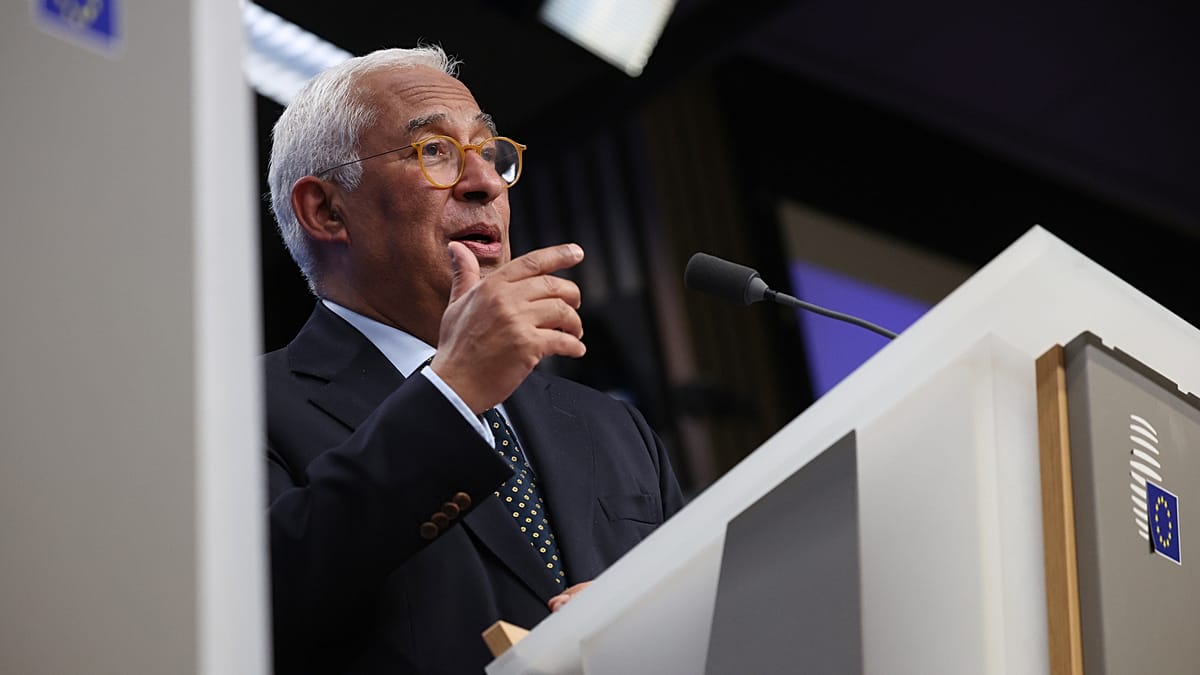
The EU-India trade pact struck Tuesday in New Delhi sends a “message to the international community” that “reliable partners can work for good in the world,” European Council President António Costa has told Euronews’ flagship morning show, Europe Today.

“The (trade deal) has great value from an economic point of view. But perhaps more important is the message that the two largest democracies in the world are sending to the international community,” Costa said, speaking to Euronews’ EU editor Maria Tadeo.

“It’s important, it’s essential to provide predictability to engage on cooperation instead of confrontation, and that reliable partners can work for good in the world.”

The landmark free trade agreement between the EU and India, signed during a grandiose ceremony in New Delhi on Tuesday, is set to slash tariffs on a wide range of EU goods from wines to cars, saving EU companies an estimated €4 billion per year in customs duties.

It’s also set to provide tariff relief for Indian companies, particularly on services and pharmaceuticals. The country, the fastest-growing major economy in the world, has recently been hit by punitive US tariffs, with Trump imposing an additional 25% levy on the country last August for its purchases of Russian crude.

The deal comes on the heels of the signing of another major EU trade pact with the Latin American Mercosur bloc, as Brussels aims to hedge against escalating global trading tensions and US President Donald Trump’s protectionist trade policies.

Deal provides ‘predictability’ in ‘uncertain world’

Asked whether Trump’s recent threats of an all-out trade war over Greenland had been the ultimate catalyst to seal the deal with India, Costa said: “We started these negotiations a lot of years ago, but of course when you are living in an unpredictable world, you need to provide predictability to the business (…) and to give hope and security for the citizens.”

Costa added that “in this very uncertain world”, the deal shows it’s possible to “provide predictability” when “reliable partners agree on trade, security, defence, and people-to-people contact.”

“We are living not in the world of blocks, but in the multi-polar world,” Costa continued, saying that the EU needs to “underpin” the multilateral system by upholding international law and “engaging bilaterally” with world partners.

During Tuesday’s ceremony, the Council president said the deal carried deep personal symbolism for him, as he pulled out his own Overseas Indian citizen card. Costa’s father’s family came from the Indian state of Goa.

The agreement will now go through legal revision and translation into all official EU languages.

The European Commission will then submit it to the Council and European Parliament for approval. In parallel, India must ratify the deal domestically.

Once ratified by both sides, the agreement will enter into force, with tariff reductions and regulatory provisions phased in over up to 10 years.

Share. Facebook Twitter Pinterest LinkedIn Tumblr Email

Keep Reading

Nikolaj Coster-Waldau defends the United Nations against ‘world controlled by the strongest only’

Did you spot these fake videos about the Iran war?

Repatriation of EU citizens top priority in Middle East crisis, says commissioner Lahbib

Five EU countries team up to build return hubs outside Europe

Ukraine accuses Hungary of seizing bank convoy carrying gold, cash and staff

Europe Today: Commissioner Lahbib and Swedish Migration Minister react to Iran war

Finnish interior minister denounces Spain’s mass regularisation of migrants

Orbán tightens border controls as Iran crisis hits Hungary’s election campaign

Belgian Defence Minister, actor Coster-Waldau speak to Euronews as Iran war enters sixth day

Editors Picks

Iceland to hold Aug. 29 referendum on reviving EU membership talks – POLITICO

March 6, 2026

Azerbaijan says it stopped Iranian ‘terror attacks’, dismantled ‘terror cells’

March 6, 2026

Farage heads to Mar-a-Lago as Starmer-Trump relations plummet – POLITICO

March 6, 2026

Von der Leyen doubles down in face of energy crisis criticism – POLITICO

March 6, 2026

Subscribe to News

Get the latest Europe and world news and updates directly to your inbox.

Latest News

‘Everyone loves Bukele for it,’ El Salvador’s VP Ulloa defends mass crackdown of gangs

March 6, 2026

Macao: A year-round destination with dynamic events and a buzzing new area

March 6, 2026

Greece boosts Bulgaria’s defenses

March 6, 2026
Facebook X (Twitter) Pinterest TikTok Instagram
© 2026 Daily Guardian Europe. All Rights Reserved.
  • Privacy Policy
  • Terms
  • Advertise
  • Contact

Type above and press Enter to search. Press Esc to cancel.