



Published on •Updated
The European Commission on Thursday cut its 2026 growth forecast for the European economy, as the ongoing conflict in the Middle East drives energy prices sharply higher.
The EU economy is now expected to grow by just 1.1% in 2026, down from the 1.4% projected in the Commission’s autumn forecast. The eurozone outlook was revised down further to 0.9%.
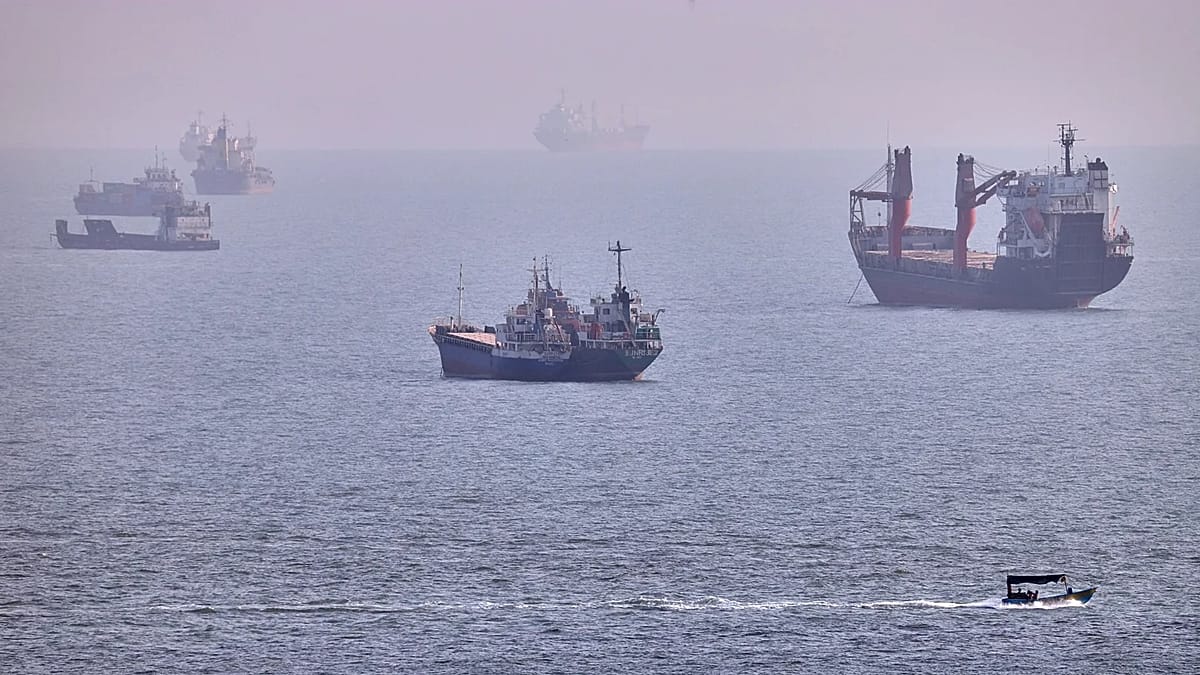
In its report, the Commission warned that disruption to global energy markets — caused by escalating tensions around the Strait of Hormuz, one of the world’s key oil and gas shipping routes — has significantly worsened Europe’s economic outlook.
“Before the end of February 2026, the EU economy was expected to continue expanding at a moderate pace, alongside a further decline in inflation,” the report said. “However, the outlook has changed substantially since the outbreak of the conflict.”
Inflation is also expected to rise sharply due to the disruption around Hormuz.
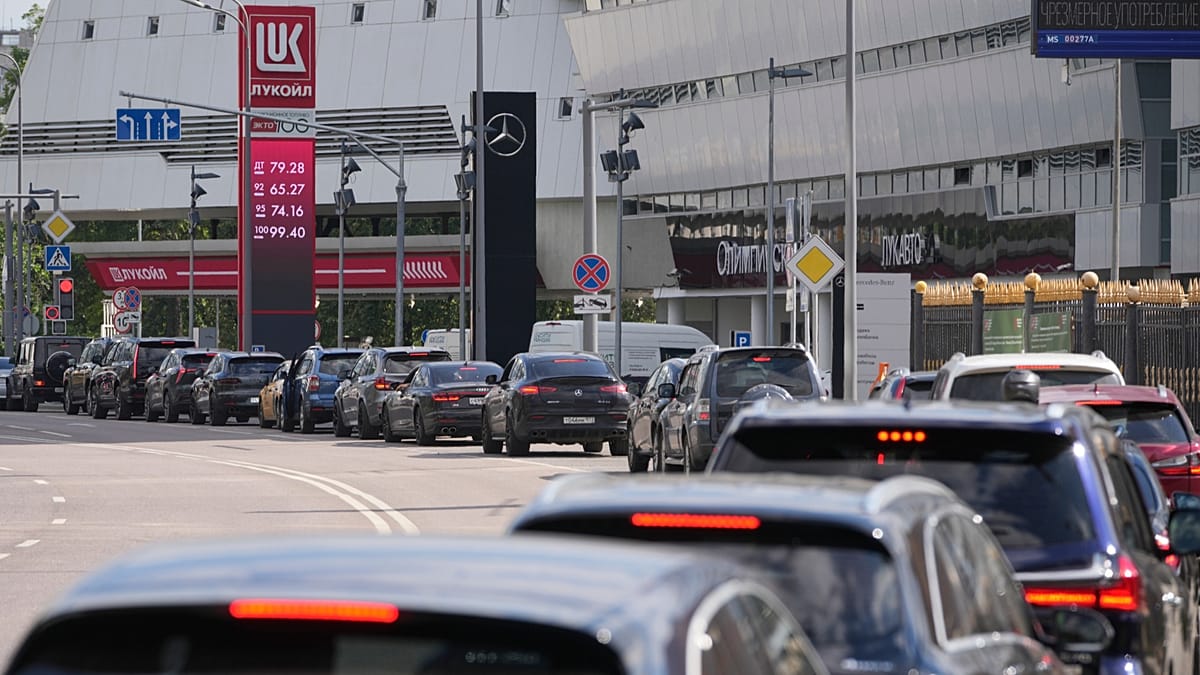
EU inflation is forecast to reach 3.1% this year — a full percentage point higher than previously expected — driven mainly by soaring energy costs after oil and gas prices surged amid fears of supply disruptions in the Gulf.
For EU officials, the shock recalls 2022, when Russia’s invasion of Ukraine triggered Europe’s worst energy crisis in decades.
The Commission described the latest turmoil as “the second such shock in less than five years”, warning that Europe’s dependence on imported fossil fuels leaves it highly vulnerable whenever geopolitical tensions threaten global energy supplies.
Consumer confidence has already fallen to a 40-month low, according to the forecast, as households prepare for higher heating and fuel bills while businesses face rising operating costs and weaker demand.
Investment is also expected to slow as companies confront tighter financing conditions and growing uncertainty. Export growth is weakening as global demand softens.
Despite the deteriorating outlook, Brussels said the bloc is better prepared than during the Ukraine-related energy crisis, thanks to years of investment in renewable energy, lower gas consumption and efforts to diversify away from Russian supplies.
“The push towards supply diversification, decarbonisation and lower energy consumption has left the EU economy better placed to absorb today’s shock,” the Commission said.
However, EU officials acknowledged that risks remain heavily skewed to the downside.
The report warned that prolonged disruption in the Strait of Hormuz or across wider Middle Eastern supply chains could drive energy prices even higher, derail the expected easing of inflation in 2027 and potentially stall Europe’s recovery altogether.
The Commission also cautioned that shortages of refined oil products, fertilisers and other industrial inputs could spread through global supply chains, increasing food and manufacturing costs across Europe.
Meanwhile, European governments are preparing for growing fiscal pressure. Public deficits across the EU are expected to widen as governments increase spending to protect households from rising energy bills while also boosting defence expenditure amid mounting geopolitical instability.
Italian Prime Minister Giorgia Meloni has recently urged the European Commission to relax fiscal rules for households and industries struggling with soaring energy costs, arguing that energy security should be treated with the same urgency as defence spending.
At the centre of Rome’s request is the EU’s national escape clause, adopted on 8 July, which allows member states temporary fiscal flexibility to increase defence spending under exceptional circumstances.
Meloni said Brussels had already shown a willingness to loosen budget rules in response to Russia’s war in Ukraine and growing concerns about Europe’s military preparedness. Italy is now seeking similar flexibility for emergency energy measures.