


Published on
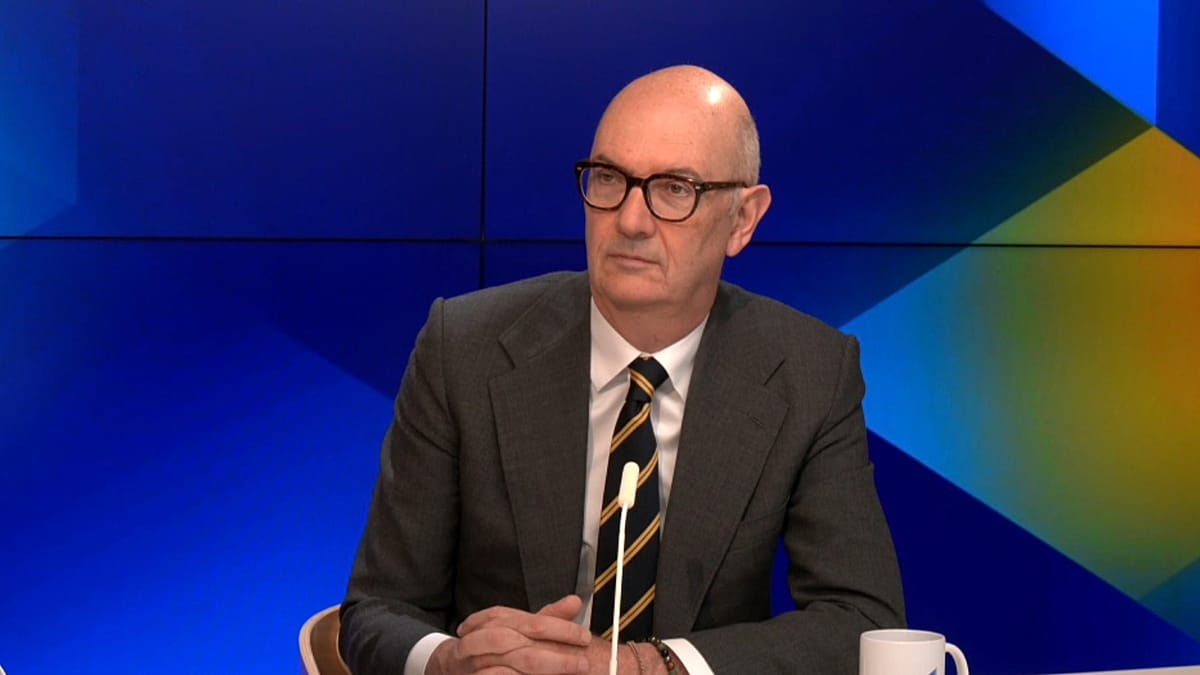
Trump’s decision to slap 25% tariffs on EU cars is politically motivated and aimed squarely at German automakers, German MEP Bernd Lange (S&D), chair of the European Parliament’s trade committee, told Europe Today on Monday.
“There are no legal or no economic reasons for those tariffs. This is really politically against Germany,” Lange said. “He is targeting specifically German car manufacturers.”
Lange’s remarks come days after Trump announced the tariffs, following criticism of the U.S. war in Iran by German Chancellor Friedrich Merz.
The US president has accused several European countries of refusing to contribute to Washington’s military operations against Iran. He also announced Friday that he would withdraw 5,000 US troops stationed in Germany.
If enacted this week, the measures would breach the 15% ceiling agreed under a trade deal struck in July 2025 between Trump and European Commission President Ursula von der Leyen in Turnberry, Scotland.
Lange expressed doubts about the Turnberry agreement, which was reached after weeks of trade tensions between Europe and the US following Trump’s return to power and the launch of a nationalist trade agenda.
“I’m not sure that we can really go on,” Lange said of the deal.
Divisions over Parliament’s safeguards
The Turnberry agreement was later put on hold several times by MEPs, notably after Trump threatened tariffs on EU countries that refused to let him acquire Greenland.
“The mood in the European Union has changed, specifically after Greenland,” Lange said, adding that all retaliatory options were now on the table following Trump’s latest threats.
“We have the toolbox and of course all the tools are in,” he said, referring to the EU’s anti-coercion instruments designed to respond to economic pressure from third countries. “We will look also to other elements like countermeasures, like counter-tariffs or export restrictions.”
The agreement is now under discussion among EU governments and lawmakers, with a view to cutting EU tariffs on US industrial goods to zero as outlined in the deal.
MEPs have nevertheless built safeguards into the joint statement, including a “sunrise” clause that makes new EU tariff cuts conditional on the U.S. meeting its obligations, and a “sunset” clause that would terminate the agreement in March 2028.
However, EU member states remain split over these provisions, with France backing the European Parliament’s tougher line, while Germany has resisted it.
“Germany, unfortunately, was more in the camp of the second,” Lange said. “Now, I guess also here is a change.”