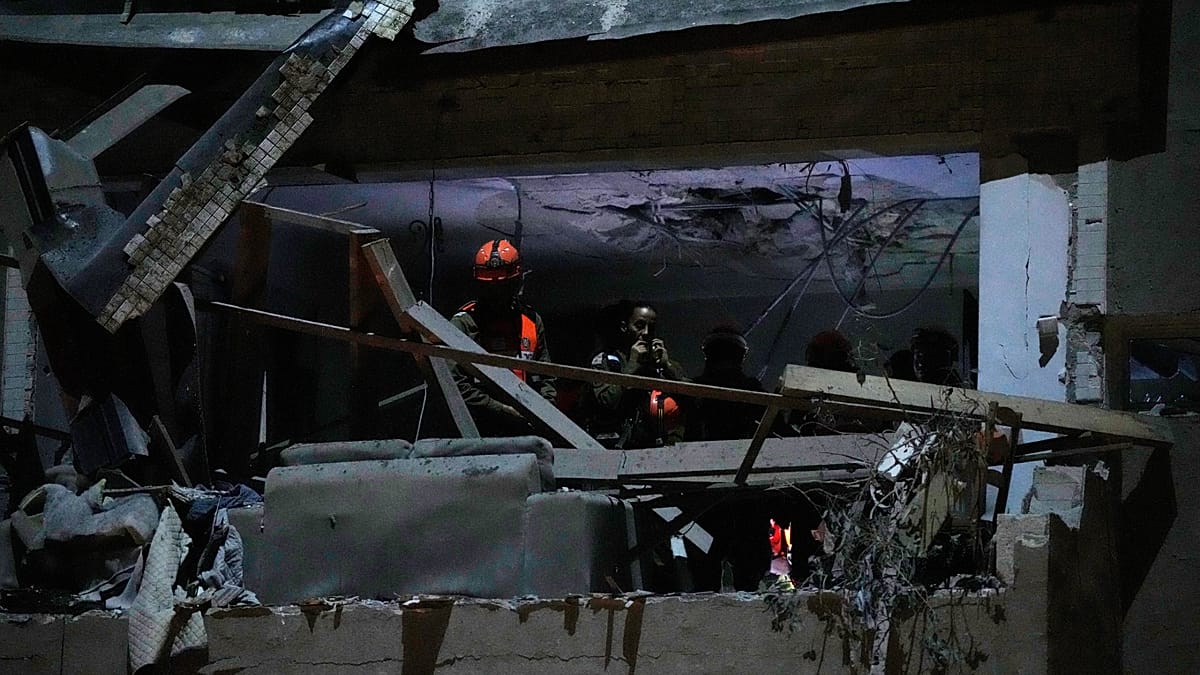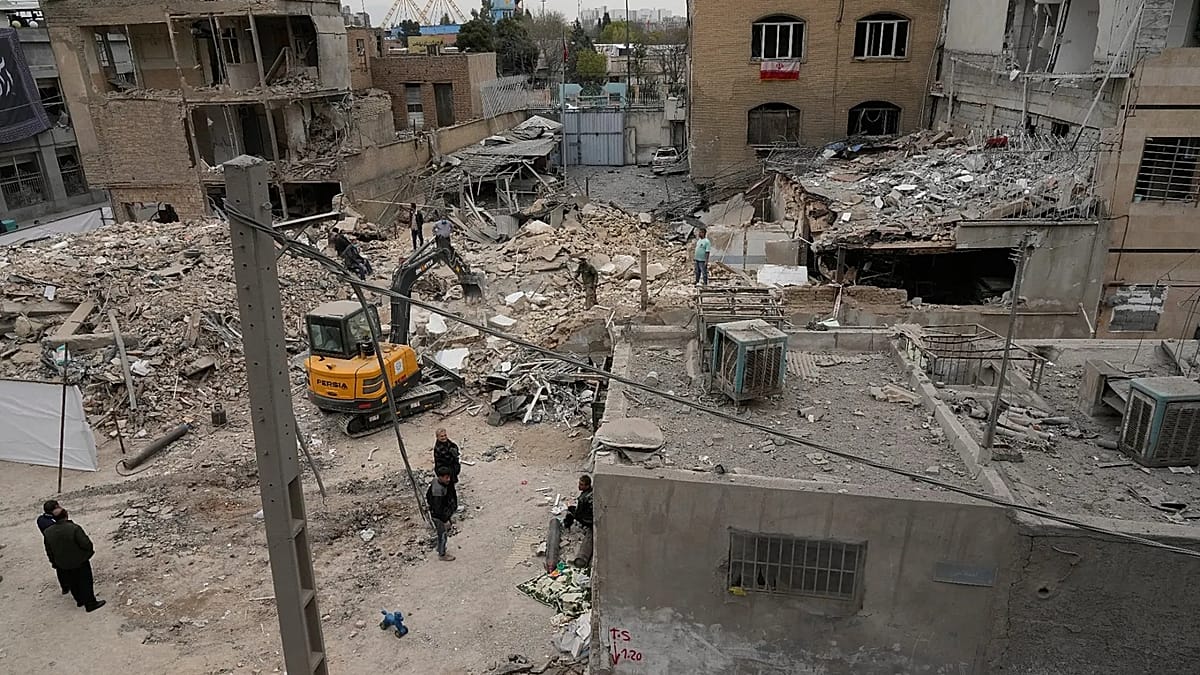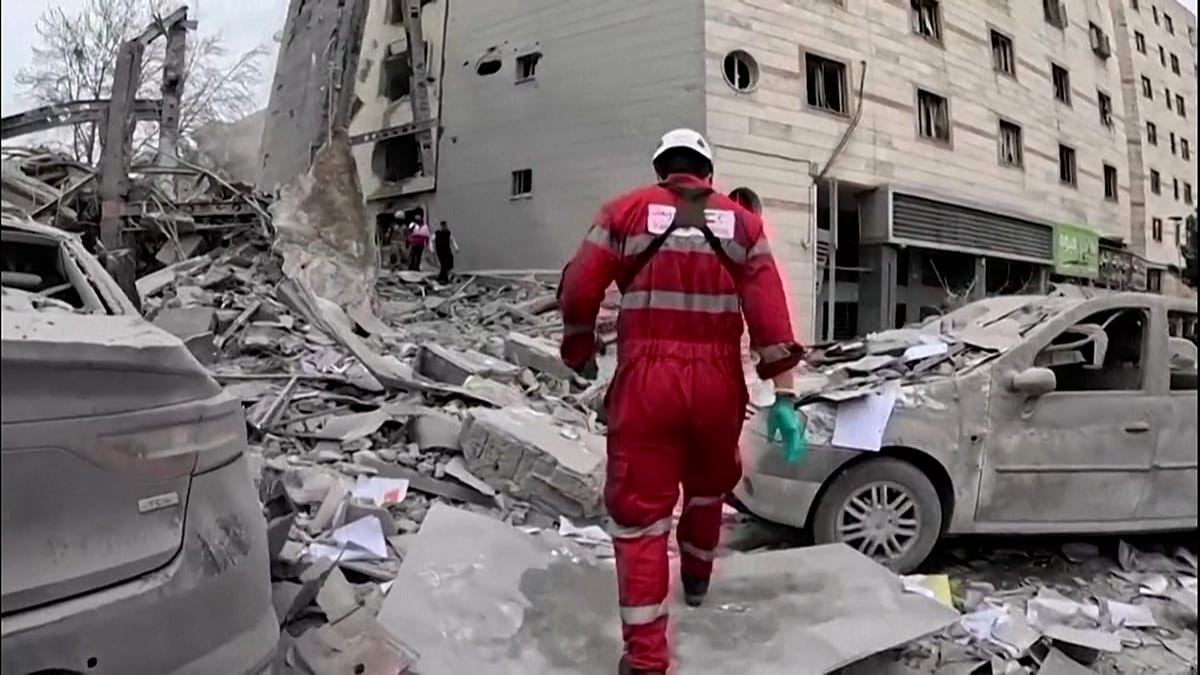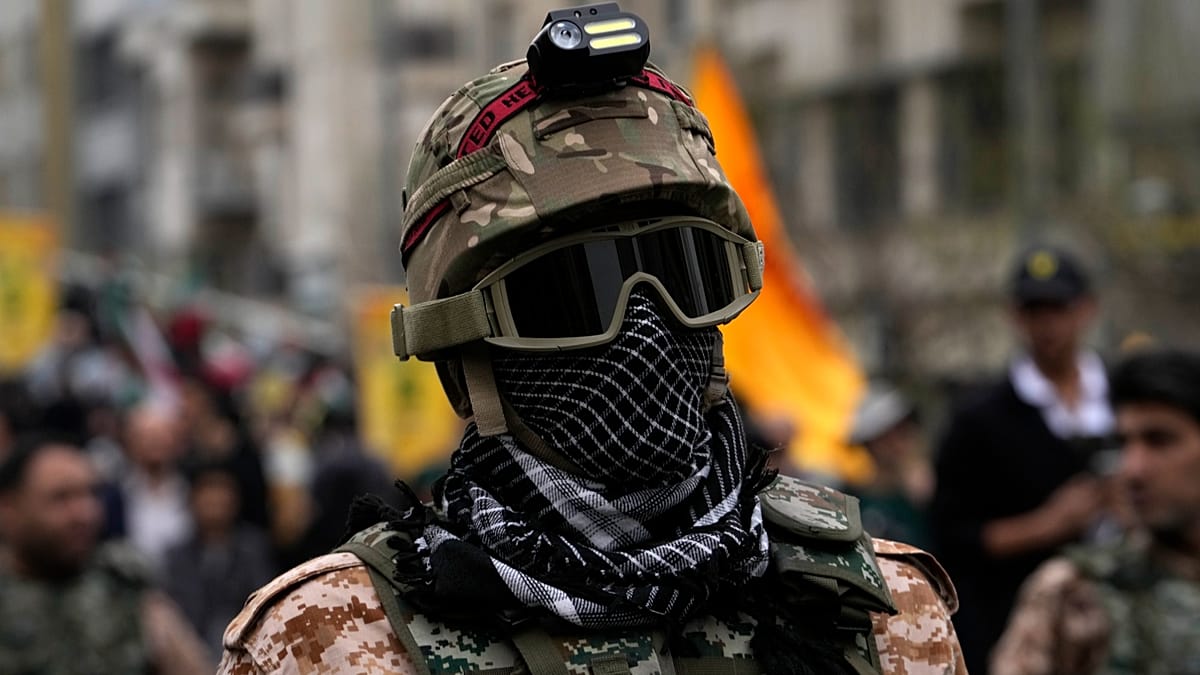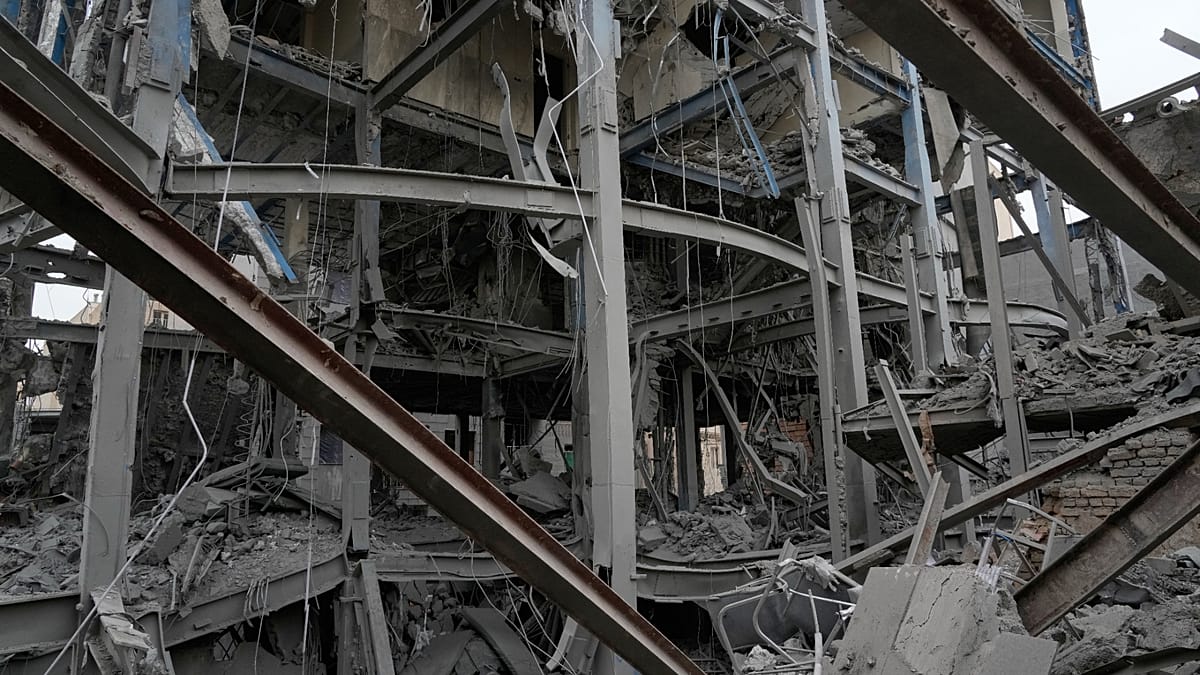

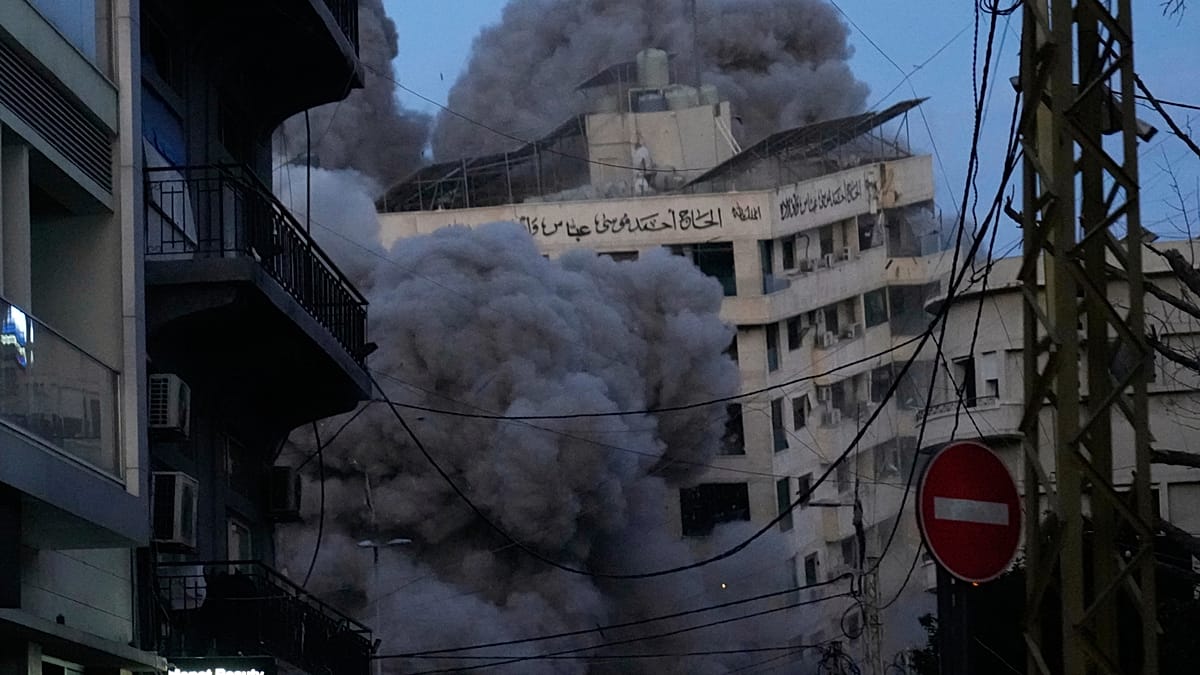

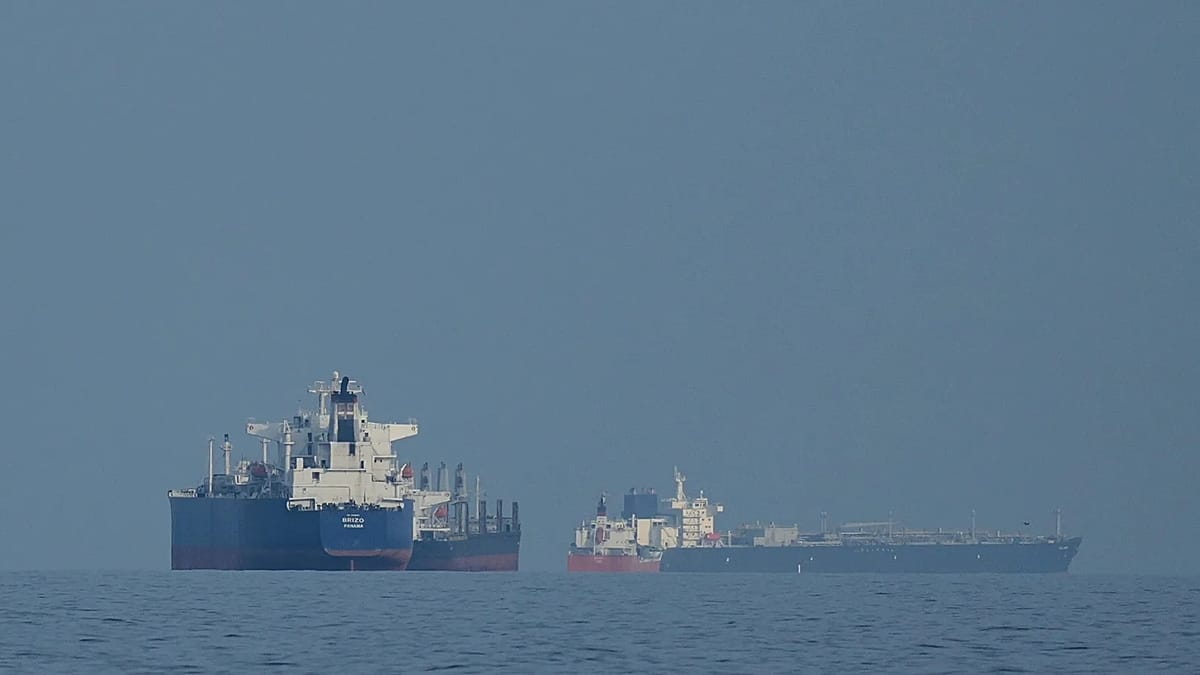
When Iran declared the Strait of Hormuz closed after US-Israeli air strikes and began attacking commercial ships attempting to pass through, the effects were felt almost immediately. Not just in the Gulf, but in European homes and businesses thousands of kilometres away.
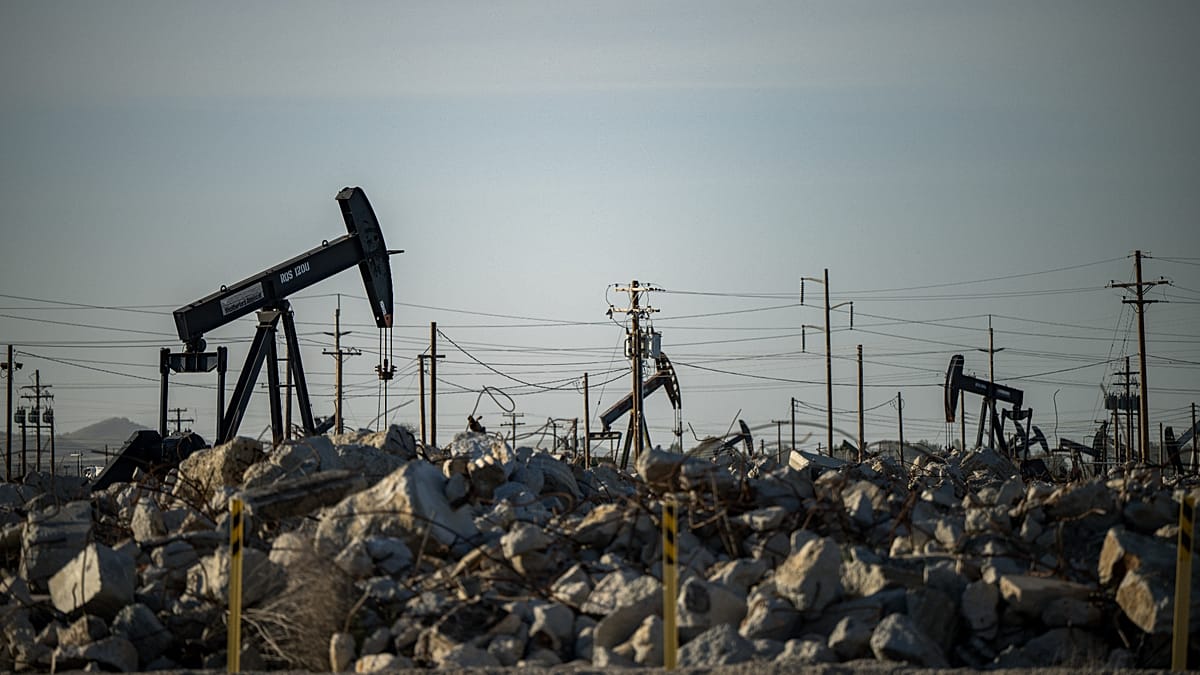
The blockade severely disrupted one of the world’s most critical shipping routes for oil, gas and chemicals, triggering a sharp energy price shock across Europe. Brent crude surged towards $100 (€86) per barrel, and Europe’s wholesale gas benchmark jumped. For ordinary consumers, that translates directly into higher petrol prices, heftier heating bills and a fresh wave of inflation at a time when many households are already stretched.
The impact does not stop at energy. Around a third of global seaborne fertiliser trade passes through Hormuz, an essential supply that keeps European farms productive. Fertiliser shortages are now expected to push food prices higher still, adding another layer of pressure on European consumers.
This crisis is another reminder of a structural vulnerability that experts have long warned about: Europe’s enormous economy largely depends on a handful of narrow sea passages that it neither controls nor, in many cases, can easily bypass.
Europe’s maritime choke points
The European Union operates the world’s largest fleet, accounting for more than one-third of global shipping tonnage. EU ports handle more than 3.4 billion tonnes of goods every year – roughly 74 per cent of everything that enters or leaves the bloc. Almost all of that trade flows, at some point, through one of a handful of strategic straits. Any disruption within them – whether caused by conflict, accident or political pressure – has an outsized impact on Europe’s commerce.
The Strait of Hormuz
Widely regarded as the world’s most critical energy choke point, Hormuz connects the Persian Gulf to the open ocean. Before the current crisis, around 20 million barrels of oil passed through it every day – roughly 25 per cent of all seaborne oil trade. It is also the exit route for liquefied natural gas (LNG) from Qatar, which supplies around 13 per cent of European LNG imports.
The Suez Canal and the Bab el-Mandeb strait
The Suez Canal, which saves ships a 10,000-kilometre detour around Africa, demonstrated its fragility in March 2021 when the container ship Ever Given ran aground after high winds pushed it sideways. For six days, an estimated $10 billion (€8.6 billion) in trade was frozen every single day, as hundreds of vessels carrying livestock, furniture and car parts were left waiting.
But the canal itself depends on traffic passing safely through Bab el-Mandeb, the so-called “Gate of Tears” at the southern entrance to the Red Sea, which controls around 12% of total global seaborne trade.
Between 2023-2025, Houthi rebels in Yemen launched waves of drone and missile attacks on commercial vessels, targeting ships with perceived links to Israel, the United States and the United Kingdom. The impact was severe. Major shipping firms suspended Red Sea transits, container traffic through Suez fell sharply, and freight rates on the Shanghai-Rotterdam route increased several‑fold.
Delivery times for European importers lengthened by 10-14 days, before a fragile ceasefire in early 2025 allowed a partial return to normal.
The Strait of Malacca
The Strait of Malacca is one of the world’s busiest shipping lanes, carrying trade that by some estimates represents around a third of global GDP, including a large share of EU trade: European imports of electronics, chemicals and oil products from Asia pass through it. At its narrowest point the strait is less than three kilometres wide, making it prone to congestion, and there is a persistent – if rarely severe – risk from piracy.
The Dover Strait
Closer to home, the narrow channel between Britain and France, linking Atlantic ports to those of the North Sea, makes part of a corridor of chokepoints that together carry around 15% of global maritime trade by value. The Dover Strait became one of the most visible symbols of post-Brexit disruption, when new customs checks created queues, delays and higher costs for UK-EU goods traffic, from food shipments to car parts.
The Strait of Gibraltar
At the western entrance to the Mediterranean, the Strait of Gibraltar is witnessing a notable shift in regional power. Morocco’s Tanger Med port has overtaken its Spanish rivals – Valencia and Algeciras – to become the leading hub for container transshipment at Europe’s southern gateway. That raises strategic questions about Europe’s growing reliance on non-EU infrastructure, as well as environmental concerns: some EU officials and analysts worry that Tanger Med could become an emissions-evading hub, where ships may bypass stricter European environmental standards.
The Bosphorus
In the east, Turkey’s Bosphorus – narrowing to just 700 metres at its tightest point – is the only sea outlet from the Black Sea to the Mediterranean. It carries Ukrainian grain heading west and industrial goods heading east. Its stability has been shaken by Russia’s full-scale invasion of Ukraine in 2022, and with no clear end to that conflict in sight, uncertainty over the strait’s long-term reliability remains.
Why there is no easy way round
When any of these choke points fail, Europe’s options are limited. Each alternative comes with its own serious constraints.
For Middle Eastern disruptions, the most obvious fallback is the route around the Cape of Good Hope – the path that ships took before the Suez Canal opened in 1869. But the detour can add up to two weeks to a typical voyage, which reduces the effective capacity of the global fleet, pushes freight rates higher and increases carbon emissions by around a third on average.
The Northern Sea Route through the melting Arctic could theoretically cut the distance between major European and Asian ports by up to about 40–50% shorter on some routes. But it is controlled by Russia, an obvious geopolitical liability at present, and it still requires specialist ice-breaking vessels while lacking the port and service infrastructure needed to handle significant commercial volumes.
A third option is the Middle Corridor, a rail and ferry route connecting China to Europe via Kazakhstan, the Caspian Sea, Azerbaijan, Georgia and Turkey. It bypasses both Russia and the Middle East, and is actually faster than the Suez Canal route (15 to 25 days between China and Europe, compared to 35 to 45 days by sea). The problem here is capacity. The Middle Corridor currently handles around six million tonnes per year – with plans to raise that to 10 million, but that is dwarfed by the hundreds of millions of tonnes moved on the main Asia-Europe maritime routes each year.
For its oil supply, Europe can partially bypass Hormuz using pipelines in Saudi Arabia, the UAE and Iran, plus more seaborne imports from the North Sea, the Atlantic, North Africa, the Caspian region and Latin America – but each option has clear limits on capacity, cost, or security.
For many other goods, air freight might seem like a more effective way of transportation. Planes are immune to maritime disruption and delivery times are measured in days rather than weeks. But a large cargo aircraft can carry 100-150 tonnes at most, compared with more than 200,000 tonnes by weight for an average container ship. Air freight is also significantly more expensive and is already under strain from surging global e-commerce demand.
What Europe is doing
As the Hormuz crisis unfolded, the European Commission presented two new frameworks: the EU Ports Strategy and the EU Industrial Maritime Strategy. Both highlight maritime choke points and Arctic routes as strategic priorities for European supply chain resilience.
The strategies aim to strengthen port security against new threats, accelerate the energy transition to reduce ports’ dependence on imported fossil fuels, invest in modern and efficient shipbuilding, and develop rules on foreign investment in European port infrastructure to guard against the strategic interests of outside powers.
But with no credible alternative to the existing choke points likely to emerge in the near future, Europe’s economic security will continue to be vulnerable to regional conflicts and crises far beyond its borders.
The real answer, experts argue, lies in a more fundamental shift: towards domestic renewable energy that reduces reliance on fossil fuel imports, more diversified trade routes and supply chains, and an honest acknowledgement that the era of relatively frictionless, uninterrupted global maritime trade may not last forever – or much longer.