
Close Menu
Daily Guardian EuropeDaily Guardian Europe
  • Home
  • Europe
  • World
  • Politics
  • Business
  • Lifestyle
  • Sports
  • Travel
  • Environment
  • Culture
  • Press Release
  • Trending
What's On

Elon Musk suffers major blow in US midterms – POLITICO

November 4, 2026

Video. Ukraine: 33 dead, over 50 missing after Russian bombing in Zaporizhzhia

November 4, 2026

Paul Krugman backs temporary rent caps to curb housing speculation in Europe

November 4, 2026

Supermarket cyberattacks in Europe hit Italy’s Coop stores in Catania and Palermo

November 4, 2026

5 things Europe needs to monitor as Democrats blitz Trump in US midterms – POLITICO

November 4, 2026
Facebook X (Twitter) Instagram
Web Stories
Facebook X (Twitter) Instagram
Daily Guardian Europe
Newsletter
  • Home
  • Europe
  • World
  • Politics
  • Business
  • Lifestyle
  • Sports
  • Travel
  • Environment
  • Culture
  • Press Release
  • Trending
Daily Guardian EuropeDaily Guardian Europe
Home»Lifestyle
Lifestyle

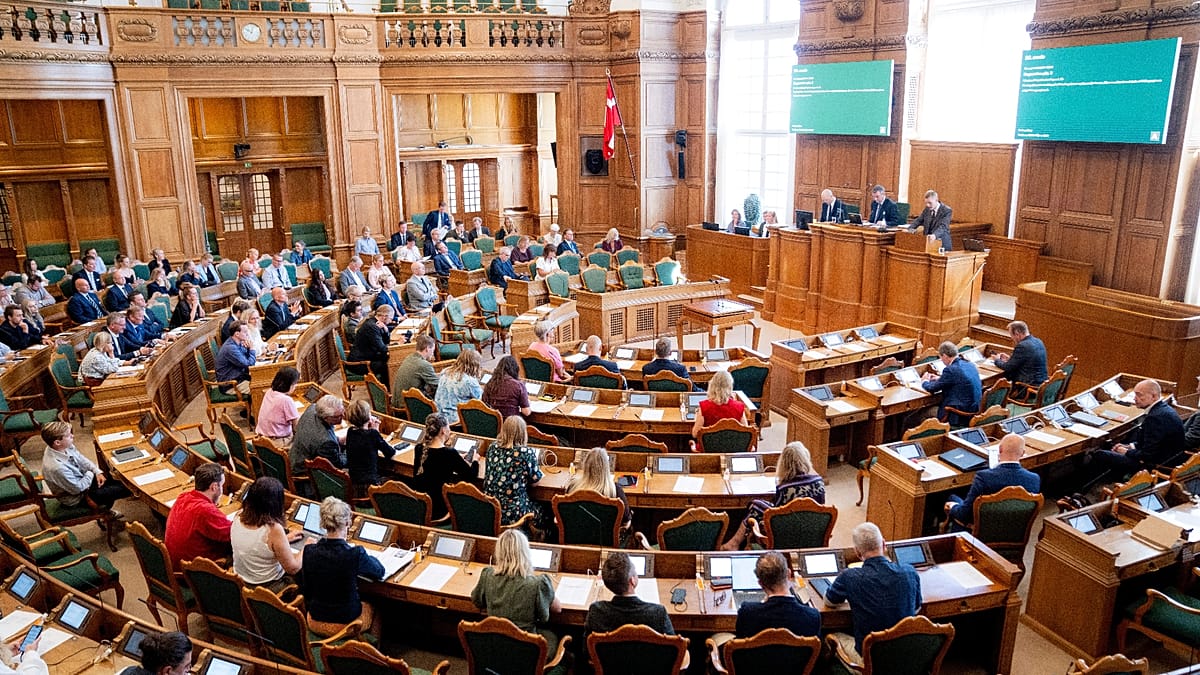
Denmark introduces bill to protect people’s faces and voices from deepfakes

By staffOctober 8, 20262 Mins Read
Denmark introduces bill to protect people’s faces and voices from deepfakes
Share
Facebook Twitter LinkedIn Pinterest Email

Published on 08/10/2026 – 11:12 GMT+2•Updated
11:48

Denmark is due to introduce a bill on Thursday that would ban the sharing of realistic deepfakes of people’s faces and voices without their consent.

The proposed amendment to Denmark’s copyright law would protect ordinary people as well as artists, including against digital imitations of their performances.

Deepfakes are images, videos or audio generated or manipulated using artificial intelligence (AI) to make someone appear to say or do something they did not. They can be used to spread false information or humiliate those depicted.

“With artificial intelligence, you can create manipulated videos and images with just a few clicks and share them on social media,” wrote Zenia Stampe, Denmark’s culture minister, in a statement.

“One of the main goals of the bill is to get the tech giants to take down manipulated content quickly, so that it causes the least possible harm.”

The bill follows a broad political agreement reached in June 2025 by then-culture minister Jakob Engel-Schmidt under the previous government to protect people against unauthorised digital imitations.

It includes exceptions for satire, parody, caricature and criticism of power and society, although these would not cover misinformation posing specified serious dangers to others’ rights, essential interests, life or property.

The minister hopes the law will take effect at the start of 2027.

Denmark’s move comes as countries around the world grapple with the rapid rise of AI.

EU countries bound by the bloc’s directive on violence against women must implement it by 14 June 2027. It requires them to criminalise creating sexually explicit manipulated material and subsequently making it publicly accessible without the depicted person’s consent, where this is likely to cause serious harm.

Denmark is not bound by the directive because of its opt-out from EU justice and home affairs rules.

France already prohibits sharing AI-generated images or audio depicting someone without their consent when the artificial nature of the content is not obvious or expressly disclosed.

Separate rules prohibit sharing sexual deepfakes without consent, regardless of labelling.

In the United Kingdom, creating or requesting non-consensual intimate deepfakes became a criminal offence in England and Wales in February. Sharing such images can carry a prison sentence of up to two years.

Share. Facebook Twitter Pinterest LinkedIn Tumblr Email

Keep Reading

Supermarket cyberattacks in Europe hit Italy’s Coop stores in Catania and Palermo

Italy holds emergency talks as supermarket fridge attacks spread across Europe

UK likely to face AI-powered cyberattacks on critical infrastructure by 2028, cyber chief warns

InnoWeek 2026 showcases advances in robotics, aviation and clean energy

Which countries in Europe have been hit by supermarket fridge cyber incidents?

Why are supermarket freezers being hacked across Europe and could AI make it worse?

Why are supermarket fridges connected to the internet?

Dutch MP proposes law banning ‘harmful addictive design features’ on all digital platforms

UK and Germany to jointly develop military AI in 2027

Editors Picks

Video. Ukraine: 33 dead, over 50 missing after Russian bombing in Zaporizhzhia

November 4, 2026

Paul Krugman backs temporary rent caps to curb housing speculation in Europe

November 4, 2026

Supermarket cyberattacks in Europe hit Italy’s Coop stores in Catania and Palermo

November 4, 2026

5 things Europe needs to monitor as Democrats blitz Trump in US midterms – POLITICO

November 4, 2026

Subscribe to News

Get the latest Europe and world news and updates directly to your inbox.

Latest News

Video. US midterm elections: Cheers erupt as Talarico’s Texas victory is projected

November 4, 2026

What the blue wave means for Britain – POLITICO

November 4, 2026

Video. ‘Democrats did a good job’: Trump congratulates Democrats on midterm wins

November 4, 2026
Facebook X (Twitter) Pinterest TikTok Instagram
© 2026 Daily Guardian Europe. All Rights Reserved.
  • Privacy Policy
  • Terms
  • Advertise
  • Contact

Type above and press Enter to search. Press Esc to cancel.