

Denmark’s King Frederik X tasked outgoing Prime Minister Mette Frederiksen with leading talks to form a new government on Wednesday, after her Social Democrats scraped through a general election without securing a majority.
Danes are braced for a weeks-long coalition-building process as Frederiksen seeks to consolidate power in the deeply splintered parliament after Tuesday’s vote.
A left-wing bloc of five parties, including Frederiksen’s Social Democrats, won 84 seats, while the right-wing and far-right claimed 77.
With neither side securing a majority, veteran politician Lars Løkke Rasmussen has emerged as kingmaker, with his Moderates securing 14 seats.
After meeting with all party leaders, Denmark’s king on Wednesday “requested acting Prime Minister Mette Frederiksen to lead negotiations on the formation of a government with the participation of the socialist Green Left and the Danish Social Liberal Party,” the royal court said in a statement.
The Social Democrats posted their worst election score since 1903, though they remained Denmark’s largest single party, with 38 seats in the 179-seat parliament.
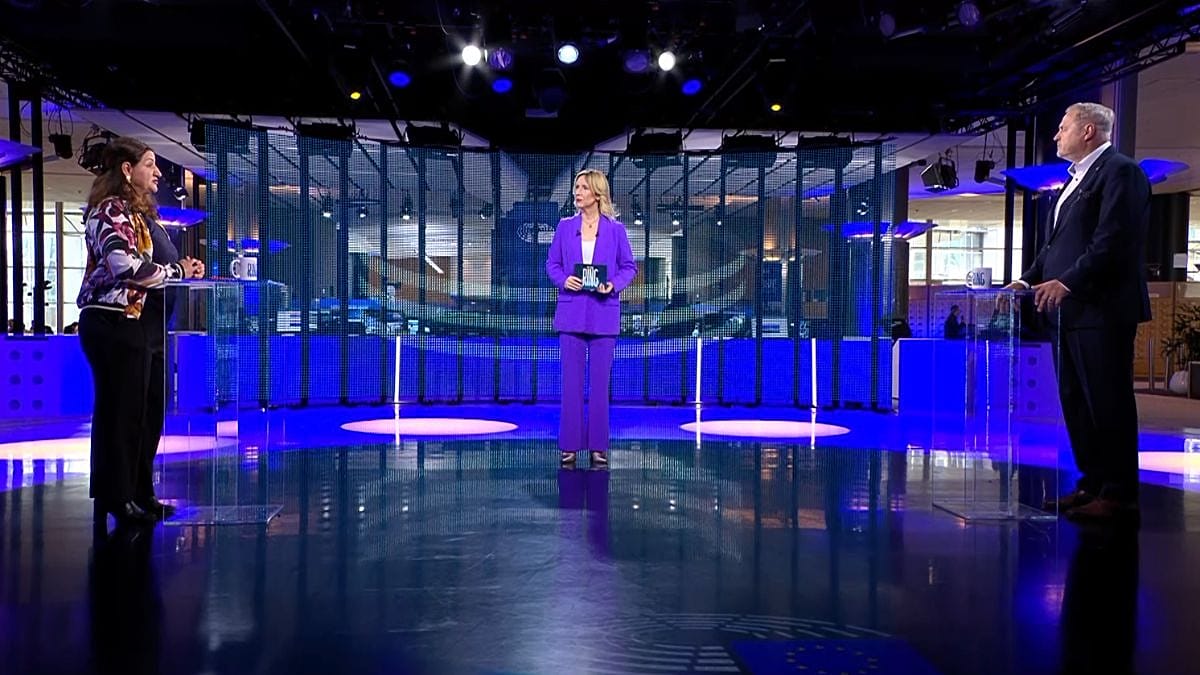
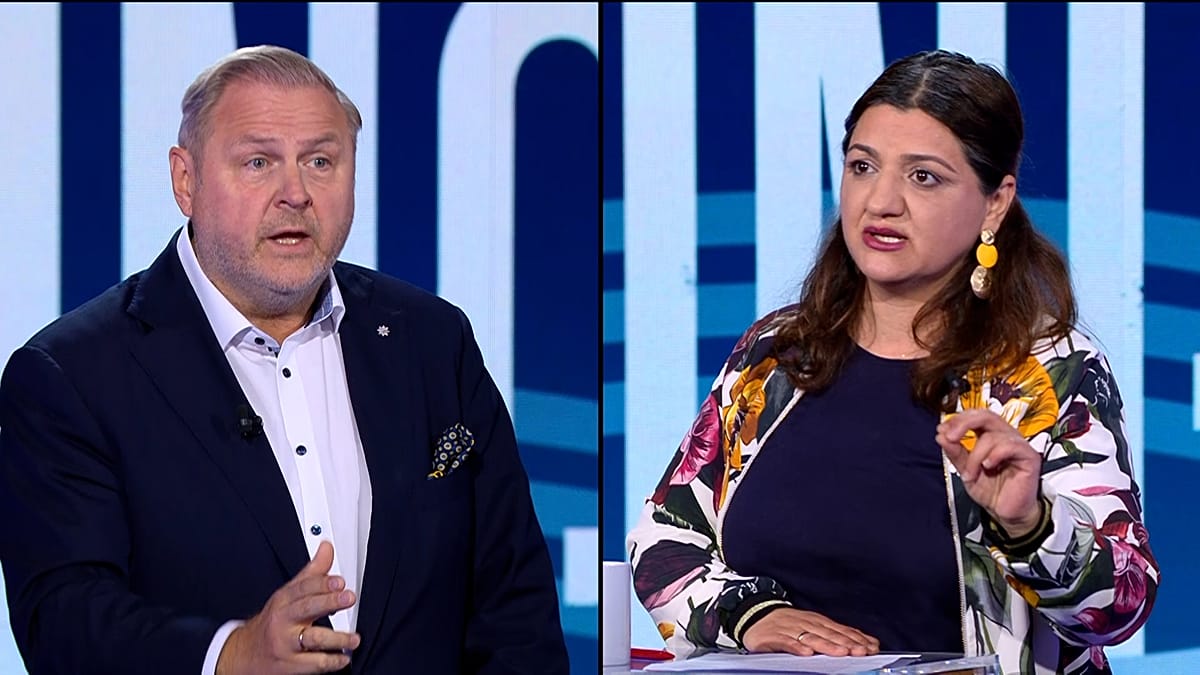
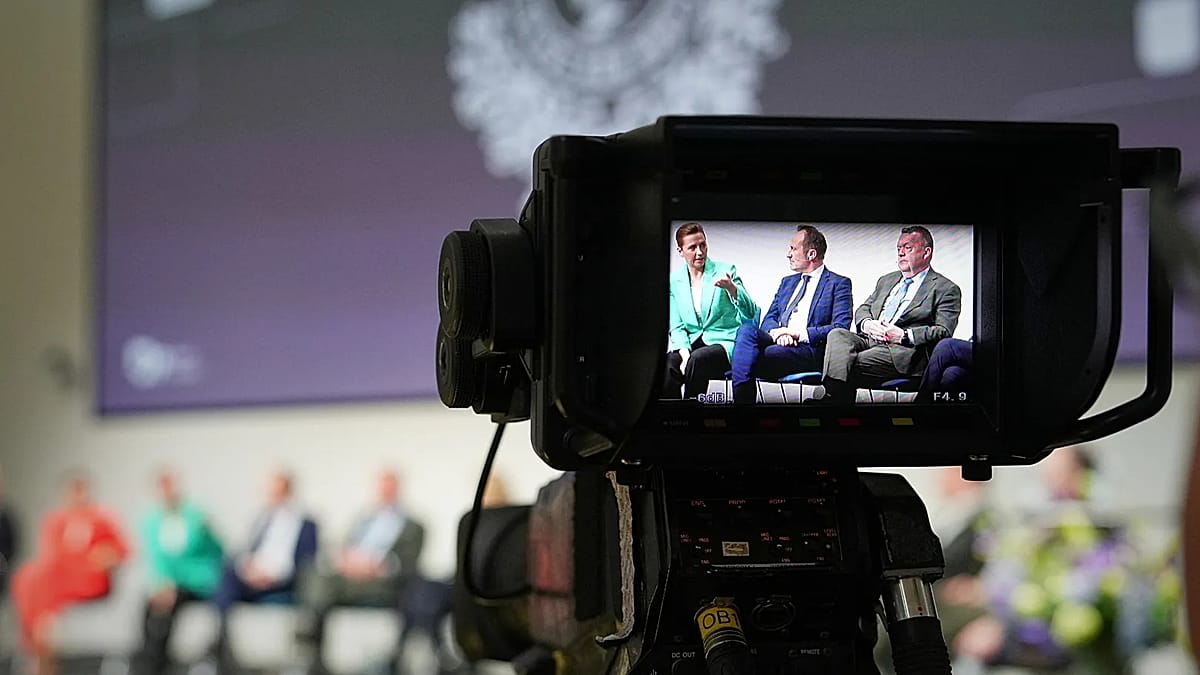
Frederiksen formally tendered her coalition government’s resignation to King Frederik on Wednesday, telling a televised party leader debate she wanted to try to form a centre-left government.
“The most realistic scenario” would be a coalition with the five parties on the left and the centre-right Moderates, she said.
But it is not certain that the Moderates, led by Foreign Minister Løkke Rasmussen, would agree to that.
“I don’t believe that Denmark needs policies aligned with” the leftist Red-Green Alliance, he said.
Even so, Aarhus University political science professor Rune Stubager told reporters that his “expectation is that Mette Frederiksen will become prime minister”.
“But I don’t know with the backing of which parties, like the left wing or the right wing,” he said.
He noted that Rasmussen, a two-time former prime minister, would likely vie for the position of prime minister, even though he has adamantly denied any interest in the job.
“Danes want me and not another prime minister. I still have the backing to be able to continue on behalf of the Danish people,” Frederiksen insisted during the debate.
Frederiksen has for the past four years headed an unprecedented left-right coalition made up of her Social Democrats, the Moderates and the Liberals.
The Liberals have refused to continue in a Social Democrat-led government.
‘Too hard to say’
Danes are now prepared for long negotiations. After the 2022 election, talks lasted six weeks.
“It’s really too hard to say who will be part of the coalition,” admitted Stubager.
With 12 parties in parliament, the political landscape is jagged, though Denmark is accustomed to minority governments.
“To some extent, this is the way Danish politics works. You have a minority government in the centre which forms a majority with the left on some issues and with the right on others,” he explained.
The negotiations are expected to focus on economic and pension issues, pollution and immigration, he said.
The traditional far-right party, the Danish People’s Party, which has heavily influenced policy since the late 1990s but slumped in the 2022 election, more than tripled its result to 9.1%.
The three anti-immigration groups together garnered 17%, a stable figure for Denmark’s populist right over the past two decades.
“If negotiations take place in the left-wing bloc with the Moderates, then there will be more focus on green issues than on immigration,” Stubager said.
“But if instead the Moderates negotiate with the parties on the right, then the central issue will be immigration.”
Four seats in Denmark’s parliament are held by its two autonomous territories; two for Greenland and two for the Faroe Islands.
While the Faroese renewed the mandates of the two outgoing lawmakers, with one for each bloc, Greenland overwhelmingly backed the left-wing party and Naleraq, which advocates rapid independence from Denmark.