




Published on
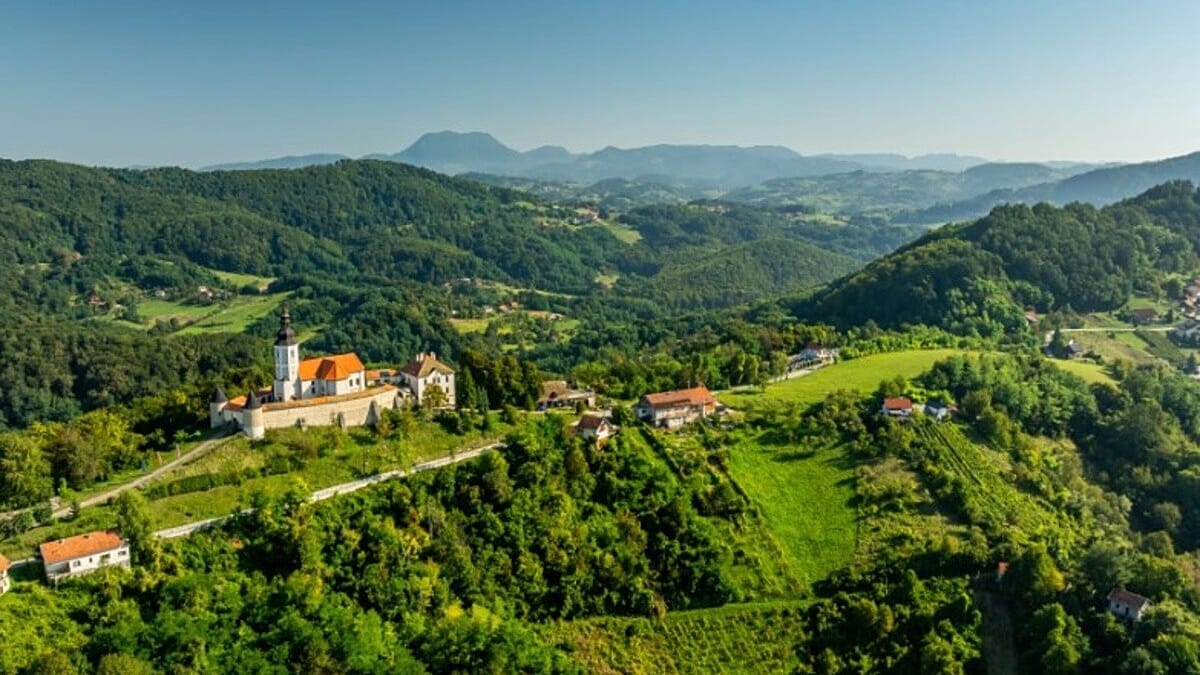
Croatia has recently declared the Zagorje Mountains Nature Park – the first since Dinara Nature Park – as its latest protected natural attraction. Currently, around 38.6% of Croatia’s land is protected.
Located an hour’s drive away from the capital Zagreb, this is Croatia’s 13th protected nature park and sprawls across a staggering 30,000 hectares, including Ravna Gora, Ivanščica, Strahinjčica, Macelj Mountain and the Bednja region.
What to see and do in the Zagorje Mountains Nature Park
Mainly renowned for its stunning beaches, islands and coastlines, this new park is expected to increase tourism awareness for Croatia’s diverse and ecologically rich inland destinations, which include forests, castles, hills and plenty of outdoor opportunities.
The establishment of the park is also likely to encourage more conservation funding.
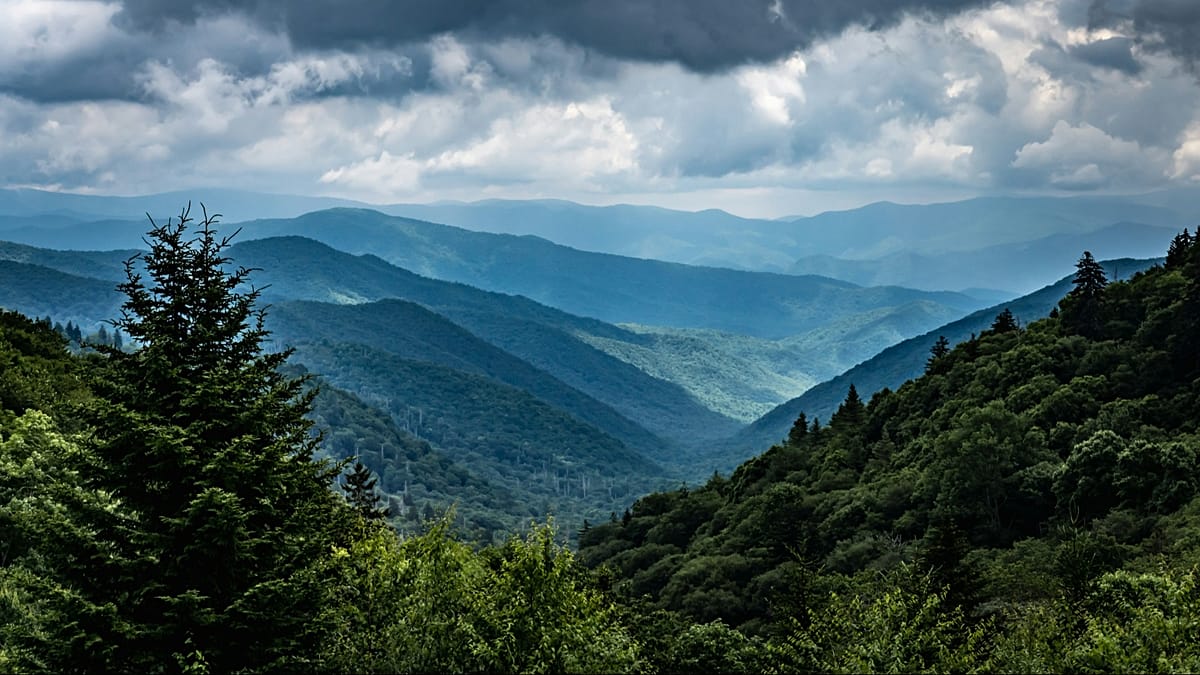
Zagorje features extensive and picturesque hiking and cycling trails spanning more than 150 kilometres, through scenic viewpoints, charming villages, oak forests and historic mountain routes, making it a prime destination for outdoor travel enthusiasts.
Some viewpoints, like Mount Ivanščica, even allow travellers to see up to Slovenia, as well as gorgeous north Croatian landscapes.
Travellers can visit the Trakošćan Castle, an awe-inspiring 13th-century castle, converted into a museum and surrounded by a fishing lake and the nature park, or Veliki Tabor, a well-preserved medieval fortified town famous for its panoramic views.
Head to the horse-shaped Ravna Gora mountain for dramatic limestone cliffs towering over 260 feet. Walk the “Road of Orchids” educational trail or visit the Krapina Neanderthal Museum for more insight into the region’s rich geological history. Hikers can also hike to the Filić Dom and Pusti Duh mountain huts.
Another key sight includes the Vindija Cave, a prehistoric site holding a vast collection of Paleolithic artifacts.
The rise of European nature spaces
The establishment of Croatia’s new park comes as more European cities and countries focus on increasing nature spaces and outdoor activity infrastructure in the last few years.
The world’s longest coastal trail, the King Charles III England Coast Path in the UK, is almost complete. This will circle the entire English coastline at around 4,345km to 4,500km long and connect cities, seaside towns, ports and remote areas from Northumberland to Cornwall.
It will also increase access to clifftops and beaches, especially more remote ones.
Mallorca also introduced a new hiking route in January, the 104km Gran Recorrido del Llevant route spanning the less-frequented and wilder eastern coast of Mallorca from Cales de Mallorca to Cala Agulla.
Other recently opened European trails and nature areas include Portugal’s Palmilhar Portugal, Lithuania’s Miško Takas and Sweden’s Stockholm Archipelago Trail.