
Close Menu
Daily Guardian EuropeDaily Guardian Europe
  • Home
  • Europe
  • World
  • Politics
  • Business
  • Lifestyle
  • Sports
  • Travel
  • Environment
  • Culture
  • Press Release
  • Trending
What's On

Video. Fistfight erupts in Turkish parliament over justice minister appointment

February 11, 2026

European Commission, Interpol and 100 others call to outlaw AI nudification tools

February 11, 2026

As challenges mount, a two-speed Europe emerges as a way out

February 11, 2026

Video. Latest news bulletin | February 10th, 2026 – Evening

February 11, 2026

Women in tech at Web Summit: Next decade’s mission is closing the gap

February 11, 2026
Facebook X (Twitter) Instagram
Web Stories
Facebook X (Twitter) Instagram
Daily Guardian Europe
Newsletter
  • Home
  • Europe
  • World
  • Politics
  • Business
  • Lifestyle
  • Sports
  • Travel
  • Environment
  • Culture
  • Press Release
  • Trending
Daily Guardian EuropeDaily Guardian Europe
Home»Business
Business

Coinbase CEO exits world’s top 500 rich list as crypto downward trend persists

By staffFebruary 11, 20263 Mins Read
Coinbase CEO exits world’s top 500 rich list as crypto downward trend persists
Share
Facebook Twitter LinkedIn Pinterest Email

Published on
11/02/2026 – 11:29 GMT+1

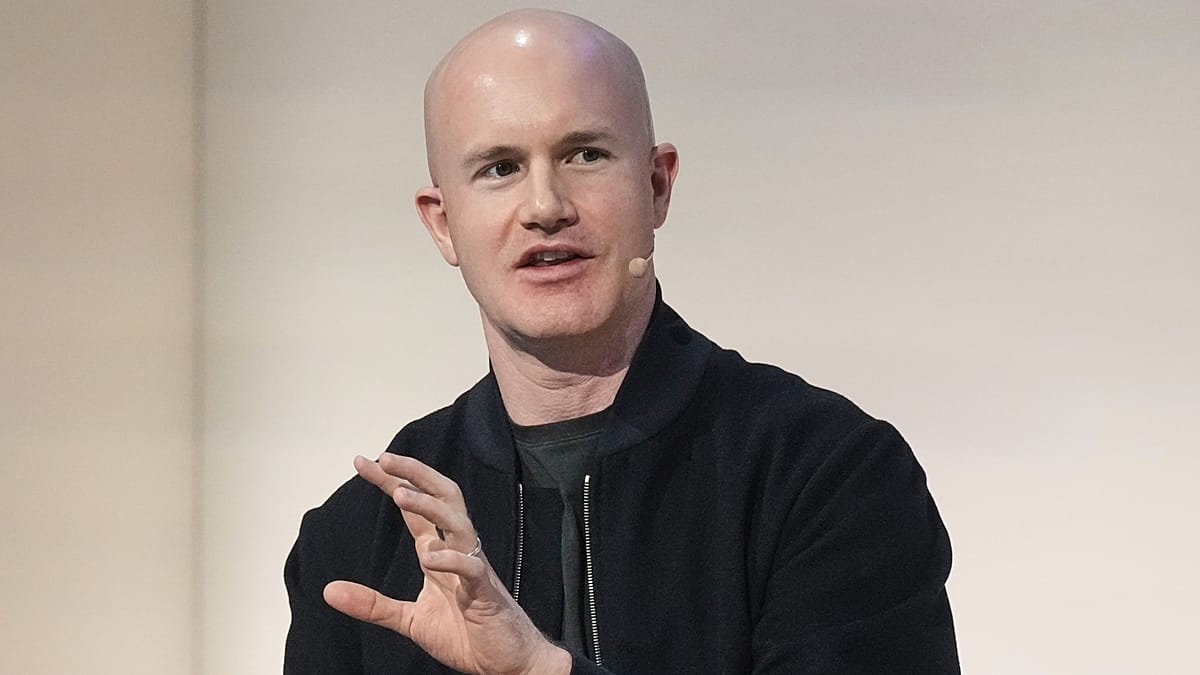
Brian Armstrong, the co-founder and CEO of the largest cryptocurrency exchange in the US, has fallen out of the Bloomberg Billionaires Index ranking of the world’s 500 wealthiest individuals.

His departure from the list comes as the crypto markets grapple with a significant downturn, pushing Bitcoin below $70,000 (€58,750), a trading level not seen since late 2024.

According to the index, Armstrong’s net worth currently stands at approximately $7.5bn (€6.9bn). This marks a substantial decline from a valuation of $17.7bn (€16.3bn) recorded last summer.

The drop in his personal wealth, which is largely derived from a roughly 14% equity piece in Coinbase, mirrors the volatility of the broader crypto sector.

Crypto asset prices have a direct impact on Coinbase’s market performance, as the company’s revenue model remains heavily reliant on transaction fees, which typically contract during periods of market stagnation.

Shares in Coinbase closed significantly lower on Tuesday, extending a six-month slide that has seen the stock lose nearly 60% of its value from its July 2025 peak.

Earlier this week, market sentiment regarding the crypto exchange appeared to sour further as analysts at JPMorgan Chase lowered their price target for the stock.

In a note to investors, the bank cited “softness in crypto prices” and a lack of growth in the stablecoin vertical as primary reasons for the revision, reducing the target by 27%.

Post-election momentum fades amid regulatory friction

The euphoria in crypto markets that followed the 2024 US election has noticeably cooled.

Despite Bitcoin reaching a record high of $126,000 (€116,000) in October 2025, investors had anticipated further regulatory clarity by now. Instead, progress has stalled.

President Trump signed the Guiding and Establishing National Innovation for US Stablecoins Act (GENIUS Act), creating a comprehensive regulatory framework for stablecoins, in July 2025.

However, there has now been a legislative gridlock over the CLARITY Act.

This legislation intends to establish clear regulatory rules for crypto assets, including jurisdictional boundaries between the Securities and Exchange Commission (SEC) and the Commodity Futures Trading Commission (CFTC).

There is a clear dispute between the Coinbase CEO and major US banks over provisions that would prevent non-bank firms from offering interest-bearing yields on stablecoins.

On Tuesday, there was a meeting at the White House between all interested parties to try and reach a consensus. This was the second session on the issue since Armstrong made his opposition public.

Despite this, the lobbying battle between crypto insiders and Wall Street bankers has still not been resolved.

While traditional lenders cite concerns over “deposit flight”, the Coinbase chief has argued that such restrictions amount to regulatory capture designed to stifle competition.

With these revenue streams now in question, market confidence in exchange-based business models, which have user fees as a primary revenue source, has wavered.

Share. Facebook Twitter Pinterest LinkedIn Tumblr Email

Keep Reading

‘Affordability is absolutely critical’: Can PepsiCo continue to achieve growth?

Inside Samruk Kazyna: How Kazakhstan’s sovereign wealth fund drives change

Russia’s oil revenues dwindle as sanctions bite, hitting economy

Asian markets rise after Takaichi election win, while US futures trend lower

FedEx-backed investors strike deal to buy Polish parcel locker firm InPost

Trains, trains and more trains: Can Eurostar’s €2bn investment keep competition at bay?

Central Asia posts growth above 6% in 2025, beating advanced economies

Azerbaijan joins Trump-backed peace board in a bid to increase its global profile

ECB rates unchanged, Lagarde: ‘Inflation is in a good place’

Editors Picks

European Commission, Interpol and 100 others call to outlaw AI nudification tools

February 11, 2026

As challenges mount, a two-speed Europe emerges as a way out

February 11, 2026

Video. Latest news bulletin | February 10th, 2026 – Evening

February 11, 2026

Women in tech at Web Summit: Next decade’s mission is closing the gap

February 11, 2026

Subscribe to News

Get the latest Europe and world news and updates directly to your inbox.

Latest News

Flexibility to pause EES over summer vital to avoid ‘five to six hour’ queues, travel expert says

February 11, 2026

French connection: Cyprus relations explored at the Louvre and the National Library of France

February 11, 2026

Europe’s top human rights body lifts former Norwegian PM’s immunity after Epstein links  – POLITICO

February 11, 2026
Facebook X (Twitter) Pinterest TikTok Instagram
© 2026 Daily Guardian Europe. All Rights Reserved.
  • Privacy Policy
  • Terms
  • Advertise
  • Contact

Type above and press Enter to search. Press Esc to cancel.