



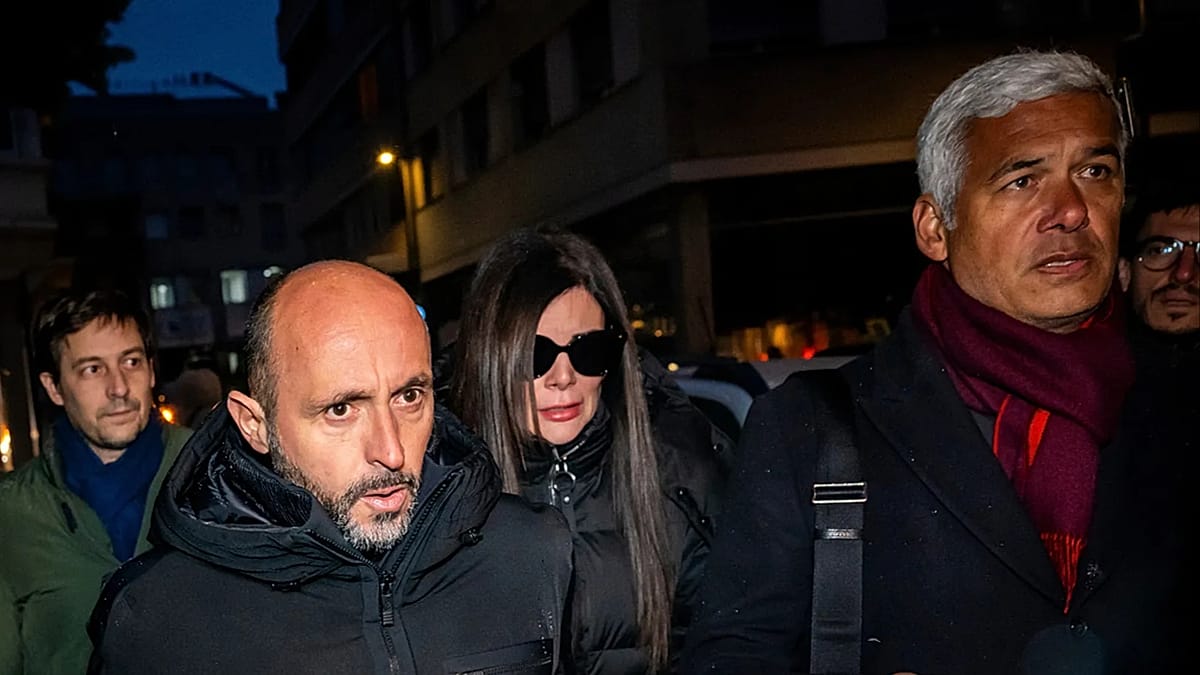




“The richest families in cocoa — the Marses, the Ferreros, the Cargills, the Jacobs — are billionaires thanks to the exploitation of the poorest children on earth,” said journalist and human rights campaigner Fernando Morales-de la Cruz, the founder of Cacao for Change. “And countries like Norway, which claim to be ethical, profit from slavery and child labor.”
The problem is, few are asking who picks the cocoa. And though the EU’s Corporate Sustainability Due Diligence Directive, which was adopted last year, requires large companies to address human rights and environmental abuses in their supply chains, critics say the directive’s weaknesses, loopholes, and delayed enforcement will blunt its impact.
However, all of this could still be fixed. Currently, a metric ton of cocoa sells for about $5,000 on world markets, but Morales-de la Cruz estimates that a fair farm-gate price would be around $7,500 per metric ton. To that end, he advocates for binding international trade standards that enforce living incomes and transparent pricing, modeled on the World Trade Organization’s compliance mechanisms. “Human rights should be as binding in trade as tariffs,” he insisted.
The solution isn’t to buy more “ethical” bars but to demand accountability and support legislation that makes exploitation unprofitable. “We can’t shop our way to justice,” he said.
So, as the trees in the Ivory Coast’s forests fall, the profits in Europe and North America continue to soar. And two decades after the industry vowed to end child labor, the cocoa supply chain remains one of the world’s most exploitative and least accountable.
Moreover, the European Parliament’s vote on the Omnibus simplification package last month laid bare the corporate control and moral blindness still present in EU policymaking, all behind talk of “cutting red tape.” “Yet Europe’s media and EU-funded NGOs stay silent, talking of competitiveness and green transitions, while ignoring the children who harvest its cocoa, coffee and cotton,” said Morales-de la Cruz.
“Europe cannot claim to defend human rights while profiting from exploitation.”
However, until the industry pays a fair price and governments enforce real accountability, every bar of chocolate remains an unpaid moral debt.


