
Close Menu
Daily Guardian EuropeDaily Guardian Europe
  • Home
  • Europe
  • World
  • Politics
  • Business
  • Lifestyle
  • Sports
  • Travel
  • Environment
  • Culture
  • Press Release
  • Trending
What's On

Ceuta mayor tells MEPs migrant ‘invasion’ left city traumatised, demands immediate deportations

August 6, 2026

Meta launches Muse Code tool amid AI hacking revelations

August 6, 2026

Great British ‘foodie staycation’ summer: 25.2m get a taste for holidays at home in 2026

August 6, 2026

‘Distressing’ imagery: From ‘Ali G’ to ‘The Mummy’ – Which movie posters have been banned since 2000?

August 6, 2026

Leipzig drone incident fuels fears of Russian election meddling – POLITICO

August 6, 2026
Facebook X (Twitter) Instagram
Web Stories
Facebook X (Twitter) Instagram
Daily Guardian Europe
Newsletter
  • Home
  • Europe
  • World
  • Politics
  • Business
  • Lifestyle
  • Sports
  • Travel
  • Environment
  • Culture
  • Press Release
  • Trending
Daily Guardian EuropeDaily Guardian Europe
Home»Europe
Europe

Brexit: What would Britons vote for in a new referendum?

By staffJune 23, 20263 Mins Read
Brexit: What would Britons vote for in a new referendum?
Share
Facebook Twitter LinkedIn Pinterest Email
By&nbspAlessio Dell’Anna&nbsp&&nbspvideo by Léa Becquet

Published on
23/06/2026 – 9:55 GMT+2

Few things could have better symbolically marked 10 years since the Brexit vote — and the chaos that followed — than the departure of yet another British prime minister.

Sir Keir Starmer is the sixth to leave office since the 23 June 2016 referendum, a vote that reshaped UK politics and sent shockwaves across Europe.

A decade of political bitterness and turmoil followed, leaving both of the UK’s traditional heavyweight parties badly scarred.

The centre-left Labour Party is struggling to find its footing after winning the 2024 election. Meanwhile, the right-wing Conservatives are officially on the list of critically endangered species, threatened by Nigel Farage’s far-right Reform Party and following 14 years in government marred by turmoil, scandals and austerity.

Yet, beneath the political noise, something else has been happening: the UK and the EU seem to be slowly coming closer together.

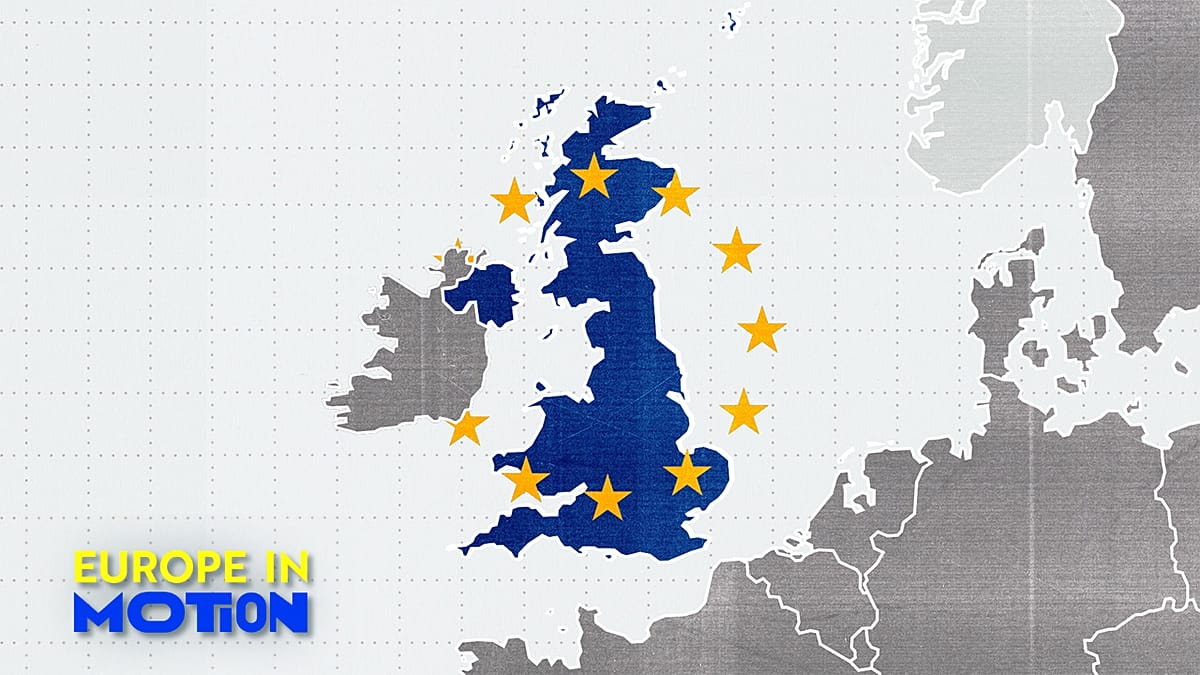
Ten years ago, 52% voted to leave the EU, but today, the tables have turned: 53% of Brits want the UK back in the bloc. Some 37% say they would strongly support that, according to a poll by Best for Britain, a Brexit-focused political research platform.

Which concrete steps has the UK taken towards the EU?

The “Remain” — or “Rejoin” — movement appears predominant now, partly because 23% of those who voted Leave have changed their minds.

Yet it’s not just a matter of opinion polls or warmer handshakes between leaders, as concrete steps are also being taken at a policy level.

For example, the UK is rejoining the EU’s Erasmus+ student exchange programme in 2027.

British scientists are also back in the EU’s Copernicus Earth observation programme and will be allowed to apply for grants through Horizon Europe, the EU’s main research and innovation framework programme.

Can pro-European sentiment keep up momentum in the UK?

While public opinion in the UK appears to be shifting back towards the continent, a paradox has emerged which might just crush EU hopes at the next general election.

Nigel Farage’s Reform Party is convincingly and consistently leading in the polls, at 24%, with Labour and the Conservatives neck-to-neck at around 19%, according to the latest YouGov survey.

Most Reform voters haven’t changed their minds about Brexit. In fact, the majority of them (55%) not only want the UK to stay out of the EU, but they also support further loosening ties with Brussels, according to the BestForBritain poll.

So what’s the next chapter in the Brexit drama?

With so many question marks following Starmer’s announced departure and uncertainty over his successor, it’s very difficult to tell at the moment, even for Anand Menon, Director at research institute UK in a Changing Europe.

“I think it depends on what happens geopolitically, whether the current reset is successful and who the next Prime Minister is,” he told Europe in Motion.

Share. Facebook Twitter Pinterest LinkedIn Tumblr Email

Keep Reading

Ceuta mayor tells MEPs migrant ‘invasion’ left city traumatised, demands immediate deportations

Explainer: What is people smuggling – and why are EU rules to fight it still stalled?

Video. Portugal seizes five tonnes of cocaine in Atlantic bust

EU discusses extra financial support for Spain after record Ceuta migrant surge

Hungary’s Parliament to vote on new president as the country awaits Magyar’s candidate

Migrant flows to Greece down 34% in 2026, maritime affairs minister says

More than 1,100 years old: Germany’s oldest tree discovered

Why the EU is betting on prevention in its new wildfire strategy

The last neutrals: Can four EU states adapt to Europe’s defence shift?

Editors Picks

Meta launches Muse Code tool amid AI hacking revelations

August 6, 2026

Great British ‘foodie staycation’ summer: 25.2m get a taste for holidays at home in 2026

August 6, 2026

‘Distressing’ imagery: From ‘Ali G’ to ‘The Mummy’ – Which movie posters have been banned since 2000?

August 6, 2026

Leipzig drone incident fuels fears of Russian election meddling – POLITICO

August 6, 2026

Subscribe to News

Get the latest Europe and world news and updates directly to your inbox.

Latest News

Explainer: What is people smuggling – and why are EU rules to fight it still stalled?

August 6, 2026

Video. Rome’s Spin Time residents sleep outside after fire, amid heatwave

August 6, 2026

Decoding Nigeria’s crypto shift and transforming diaspora cash into capital {Business Africa}

August 6, 2026
Facebook X (Twitter) Pinterest TikTok Instagram
© 2026 Daily Guardian Europe. All Rights Reserved.
  • Privacy Policy
  • Terms
  • Advertise
  • Contact

Type above and press Enter to search. Press Esc to cancel.