

Published on
The fallout from the World Cup final between Spain and Argentina has reached the world of music. In the space of just a few days, singer Rosalía has seen a concert paying tribute to her work cancelled in Argentina and calls grow for a boycott of her upcoming shows in Buenos Aires. US artist Patti Smith has also ended up backtracking on a post about the match after receiving a wave of criticism.
Both artists ended up apologising after some Argentine fans interpreted their messages as mocking the national team. But what exactly did they post, and why has it caused such controversy?
“My bad”: What did Rosalía post and why did she apologise?
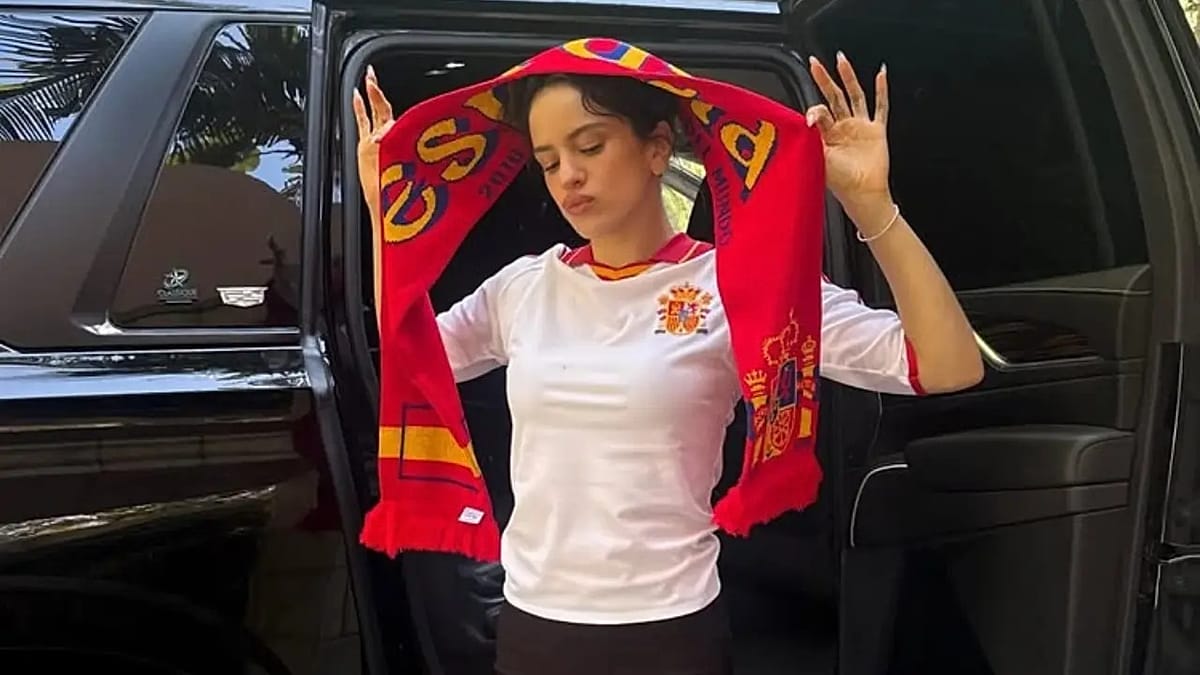
The controversy broke out shortly after the World Cup final, when Rosalía shared on TikTok a video originally posted by influencer Mia Khalifa celebrating Spain’s victory. In the clip, “La Perla”,one of the tracks on the album “LUX”, could be heard while the on-screen message read: “How life sounds now that the pearls have been defeated”.
Many Argentine users took the expression “the pearls” to be a reference to the national team and saw the post as mocking their defeat. The video spread rapidly on social media before the singer deleted it.
Faced with a flood of criticism, Rosalía posted an apology in her Instagram Stories. “I hit share because ‘La Perla’ was playing and I didn’t even read what it said, my bad. Sorry”, she wrote alongside an Argentine flag. In another post she added: “I only have love for Argentina”, insisting that she had never meant to offend the country.
What consequences has this had for the singer?
The row did not remain confined to social media. Some Argentine fans began promoting campaigns to sell on or return the tickets for the four concerts Rosalía has scheduled in Buenos Aires at the beginning of August, while others called for leaving empty seats as a form of protest.
The most immediate consequence, however, came in Córdoba. A symphonic concert paying tribute to Rosalía, organised by an independent production company with no connection to the artist, was cancelled after receiving “numerous messages of hate and anger”, according to the organisers.
Those behind the show stressed that the project had been in the works for months and that their goal was purely artistic. In a statement released on social media they said they understood the unrest after the final because “football is not just a sport, it is part of our identity, our history and our culture”, but regretted that the tension had ultimately forced them to call off the event in order to protect the musicians involved.
For now, Rosalía’s four official concerts in Buenos Aires are still scheduled to go ahead as announced by the promoter.
What happened with Patti Smith?
US singer and poet Patti Smith also became embroiled in the controversy over a post she made after the final. In it she celebrated Spain’s victory and described Spain as “the good guys”, an expression that many Argentine users interpreted as implying that the opposing team were on the wrong side.
The criticism multiplied within a few hours and the artist ended up deleting the post. She later shared an image of Lionel Messi and posted a new message in which she said she had never meant to belittle Argentina or its national team.
Smith also recalled the ties she has had for years with the South American country, expressed her admiration for Messi and said she deeply regretted that her words had been taken as a sign of disrespect towards the Argentine people.
How did a football final end up triggering a cultural row?
Although Rosalía and Patti Smith’s posts were different, they both became part of a broader phenomenon that has shaped the conversation in the aftermath of the World Cup final. The defeat of Argentina generated a huge amount of activity on social media, where celebrations, mockery, nationalist messages and boycott campaigns against various public figures who publicly expressed their support for Spain all became entangled.
In that context, posts that at any other time would probably have gone unnoticed took on a much greater political and emotional weight. The rapid spread of screenshots and videos meant that the messages travelled far beyond the artists’ usual followers.
Both Rosalía and Patti Smith chose to delete their posts and offer explanations, although their apologies have not managed to end the debate; days after the final whistle, the posts by both artists are still attracting criticism as well as messages of support.