
Close Menu
Daily Guardian EuropeDaily Guardian Europe
  • Home
  • Europe
  • World
  • Politics
  • Business
  • Lifestyle
  • Sports
  • Travel
  • Environment
  • Culture
  • Press Release
  • Trending
What's On

EU launches €30B push to build 7 massive AI data centers – POLITICO

July 30, 2026

Bank of England holds interest rates at 3.75% despite inflation risks

July 30, 2026

FIFA’s plan to sell World Cup to private investors has not been well received – but can they pull it off?

July 30, 2026

Mercury Prize 2026: Paul McCartney becomes first-time nominee in thrilling shortlist

July 30, 2026

US-Iran war looms over Britain’s economy – POLITICO

July 30, 2026
Facebook X (Twitter) Instagram
Web Stories
Facebook X (Twitter) Instagram
Daily Guardian Europe
Newsletter
  • Home
  • Europe
  • World
  • Politics
  • Business
  • Lifestyle
  • Sports
  • Travel
  • Environment
  • Culture
  • Press Release
  • Trending
Daily Guardian EuropeDaily Guardian Europe
Home»Business
Business

Bank of England holds interest rates at 3.75% despite inflation risks

By staffJuly 30, 20263 Mins Read
Bank of England holds interest rates at 3.75% despite inflation risks
Share
Facebook Twitter LinkedIn Pinterest Email
By&nbspIndrabati Lahiri&nbspwith&nbspAP

Published on 30/07/2026 – 13:36 GMT+2•Updated
15:51

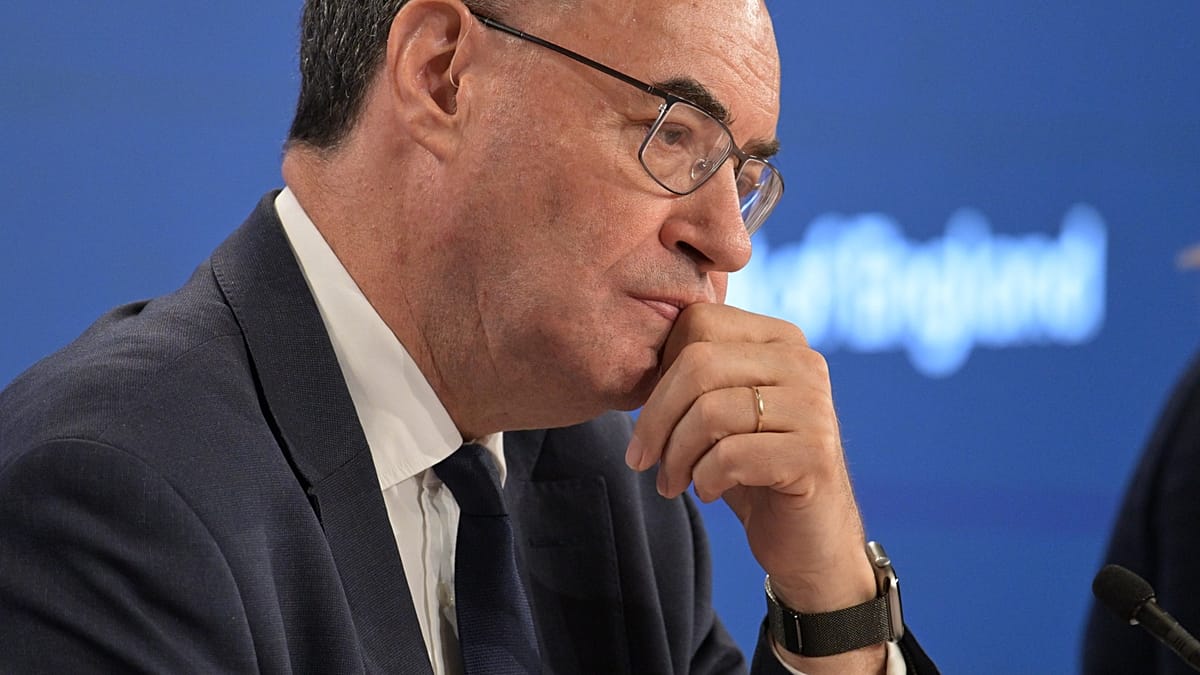
The Bank of England kept its key interest rate on hold at 3.75% for the fifth time this year on Thursday after a bigger-than-expected drop in the inflation rate last month gave policymakers breathing space to assess the fallout from renewed fighting in Iran.

Interest rates are currently at their lowest level since January 2023, with analysts having expected the BoE to keep rates steady despite a fall in inflation in June.

Although inflation has been easing, renewed hostilities between Iran and the US in the Middle East have fuelled concerns that energy prices could rise again.

Monetary policy committee split on interest rates

The Bank’s Monetary Policy Committee voted 6-3 to keep the rate at 3.75%, in line with the expectations of most economists. Policymakers have kept the rate at that level since December after four rate cuts in 2025.

The split decision highlights growing tensions among central banks around the world about how to respond to stubbornly high inflation and concerns that the war in Iran will lead to another round of price increases.

The US Federal Reserve on Wednesday kept its key rate within a range of 3.5% to 3.75%, with Chair Kevin Warsh saying the Fed “will not hesitate to act” to keep inflation under control.

“The market is pricing in at least one interest rate rise in the UK this year, and with three members voting for an increase today and events in the Middle East showing no sign of easing the pressure, this won’t change,” Richard Carter, head of fixed interest research at Quilter Cheviot, said in an email note.

He added: “The new government has made the cost of living its number one priority and initial announcements will help lower inflation marginally, but not by enough to really make a difference to interest rates.”

UK inflation falls, but geopolitical tensions remain

Consumer price inflation in the UK slowed to 2.6% in the 12 months to June from 2.8% the previous month, according to the latest figures from the Office for National Statistics. While the drop was bigger than economists expected, inflation remained above the Bank’s 2% target for a 21st consecutive month.

Renewed attacks by the United States and Iran in the Middle East sent oil prices soaring this month amid concerns about disruption to shipping through the Strait of Hormuz, through which around one-fifth of global oil consumption and liquefied natural gas trade passed before the war.

Brent crude, the benchmark for world oil prices, rose to more than $100 (€87.2) a barrel on 23 July, from less than $71 (€61.9) three weeks earlier, as the ceasefire between the US and Iran broke down. Brent crude traded at around $91 (€79.3) a barrel on Thursday.

In Britain, economists are also closely watching the tax and spending policies of new Prime Minister Andy Burnham to assess whether his efforts to shield consumers from rising prices and spur economic growth are likely to add to inflation.

Share. Facebook Twitter Pinterest LinkedIn Tumblr Email

Keep Reading

Spain inflation rises to 3.5% in July on fuel and electricity prices

Samsung profit jumps 1,814% as South Korean tech giants benefit from global AI boom

South Korean chipmaker SK hynix reports 1,242% profit surge on booming AI demand

Despite high inflation, Fed expected to hold rates steady for now

French wildfires threaten defence sites and hit regional economy

Spain’s wildfire bill: up to €3.275 billion for firefighting alone

Shares slip as chip stocks come under heavy selling: Here’s why

iPhone 17 Pro prices: How Europe compares with the US and the world

AstraZeneca quarterly net profit rises 2% on strong cancer drug sales

Editors Picks

Bank of England holds interest rates at 3.75% despite inflation risks

July 30, 2026

FIFA’s plan to sell World Cup to private investors has not been well received – but can they pull it off?

July 30, 2026

Mercury Prize 2026: Paul McCartney becomes first-time nominee in thrilling shortlist

July 30, 2026

US-Iran war looms over Britain’s economy – POLITICO

July 30, 2026

Subscribe to News

Get the latest Europe and world news and updates directly to your inbox.

Latest News

Poland says unidentified object crashed into its territory amid overnight Russian attacks on western Ukraine

July 30, 2026

Drone hits US LNG vessel at Damietta in first attack on Egyptian soil

July 30, 2026

Video. Japan mall explosion after 7.1 quake captured on dashcam footage

July 30, 2026
Facebook X (Twitter) Pinterest TikTok Instagram
© 2026 Daily Guardian Europe. All Rights Reserved.
  • Privacy Policy
  • Terms
  • Advertise
  • Contact

Type above and press Enter to search. Press Esc to cancel.