

Published on
Switzerland’s new army chief Benedikt Roos said on Friday the country does not yet have the necessary defences against potential drone attacks, such as those being used in the war in the Middle East.
“Today’s world has become more complex, more dynamic and, in some respects, more dangerous,” Roos told reporters at a military base in Thun.
“Power politics is not a new phenomenon, but today it is once again manifesting itself in a more overt and immediate way,” he added.
Asked whether Switzerland is ready to face potential new threats of drone attacks, Roos said he “isn’t very optimistic”.
“When it comes to the threats we’re now seeing in Iran, we have more or less nothing, nothing at all, zero.”
He said that his country has “gaps” in its aerial defence capabilities that need to be addressed, with the two biggest priorities being “cyber attacks in the information domain” and “the threat from long distances”.
Boosting defence spending
Last week, Switzerland’s government asked parliament to approve €3.7 billion in defence spending focused on expanding ground-based aerial defence, protection against drones and additional cyberspace capabilities.
Plans include a €1 billion procurement of German-made IRIS-T SLM missile systems and an increase in protection against mini-drones for around €76 million.
“Switzerland is currently not sufficiently protected against the most likely forms of threat,” Defence Minister Martin Pfister said. He said other areas, such as renewals of vehicle fleets, were now less of a priority at least for the next three years than the newly defined more prominent threats.
Earlier this month, The EU and Switzerland also agreed to strengthen their cooperation on foreign policy, security and defence.
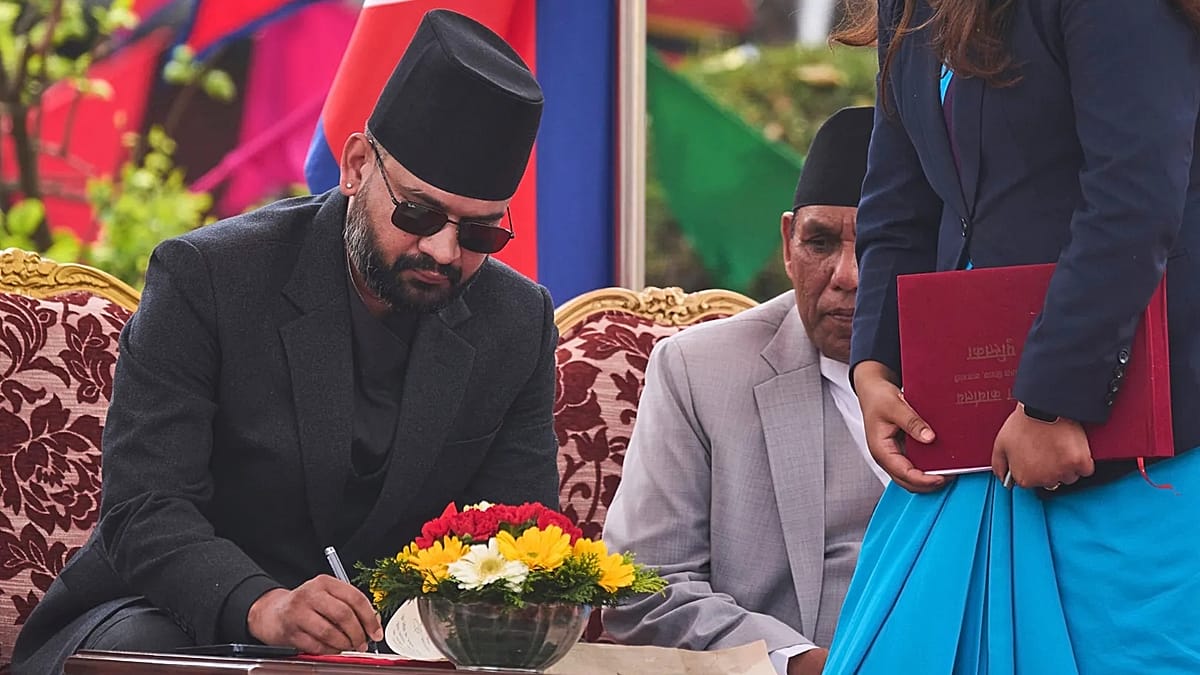
EU foreign policy chief Kaja Kallas and her Swiss counterpart Ignazio Cassis signed a joint declaration stressing the strategic importance of their foreign policy and security cooperation and vowing closer ties.
They also signed a technical agreement that will allow Switzerland, a country known for its neutrality, to participate more easily in joint civilian or military missions “to keep the stability of Europe”.
Additional sources • AFP